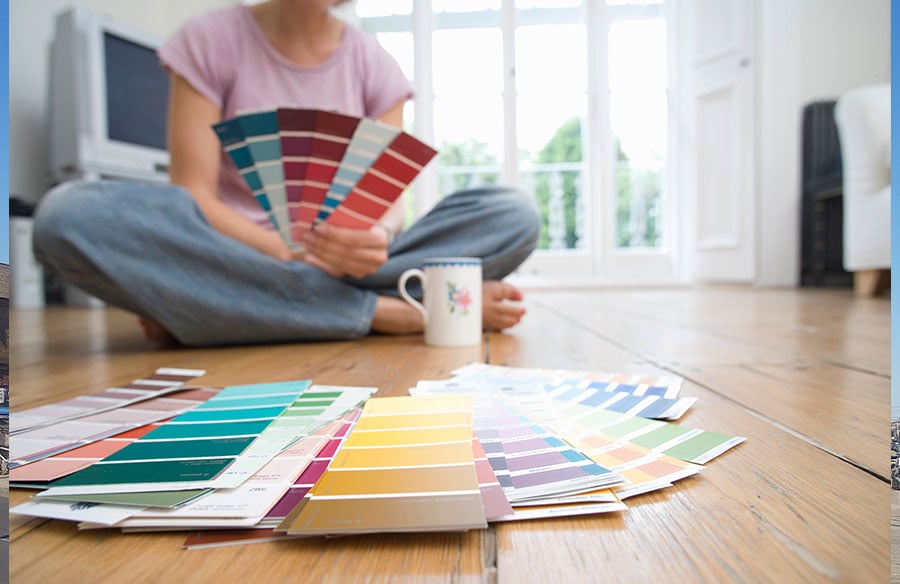
Nothing feels worse than living with a paint color that seemed perfect on the sample card and completely wrong once it’s covering an entire room. It happens more often than people admit, and it’s rarely because someone has bad taste. It’s usually a handful of predictable mistakes in how colors get chosen and tested.
A little planning before you commit to gallons of paint can save you from repainting a room twice in the same year. It’s a small amount of extra effort compared to the cost of doing the whole project over.
Most of the regret stories homeowners share have a common thread: the color was chosen quickly, tested minimally, and committed to before anyone really lived with it in the actual room. A slower, more deliberate process avoids almost all of these situations, even if it means holding off on the final decision for a few extra days.
Lighting Changes Everything About a Color
The same shade of blue can look completely different in a north-facing bedroom versus a sunny south-facing kitchen. Natural light shifts throughout the day too, so a color that looks soft and warm at 10am might look flat and gray by evening under artificial lighting.
This is why paint swatches on a small card are almost never enough. Painting a larger sample directly on the wall and observing it across a full day, including at night with your lamps on, gives a far more honest preview of the final result.
It’s worth testing samples on more than one wall in the room, since the amount of natural light hitting each wall can vary enough to change how the same color reads from one side of the room to the other.
Undertones Trip Up Even Careful Homeowners
Almost every color has a subtle undertone, whether it’s a hint of green in a gray or a touch of pink in a beige. These undertones only become obvious once the paint is on a large surface next to your existing flooring, trim, and furniture. What looked neutral in the store can suddenly clash with a wood floor or a fabric couch once it’s covering four walls.
Bringing a fabric swatch, a flooring sample, or even a photo of the room to the paint counter helps catch these mismatches before they become a full room’s worth of mistake. Most paint stores are used to this request and can point out an undertone you might not have noticed on your own.
Sheen Matters Almost as Much as Color
Two cans of paint in the exact same color but different sheens can look surprisingly different once they’re on the wall. Higher sheens reflect more light, which makes a color look slightly different and also shows more surface imperfections underneath. Flatter finishes hide small wall flaws better but tend to show marks and scuffs more easily over time.
Choosing the right sheen for each room, not just the right color, is a detail that’s easy to overlook but has a real effect on how a finished space looks and holds up day to day. High-traffic areas like hallways and kids’ rooms usually benefit from a slightly higher sheen that wipes clean more easily, while quieter spaces like bedrooms can lean flatter for a softer look.
This is another area where asking a professional’s opinion pays off, since they’ve seen firsthand how different sheens perform in different rooms over the years, including which combinations tend to disappoint homeowners a year or two down the line.
Trends Fade Faster Than a Fresh Coat of Paint Should
It’s tempting to chase whatever color is popular at the moment, but trend-driven shades tend to feel dated faster than more timeless options. That doesn’t mean you have to stick with beige forever, but it’s worth thinking about whether a bold, trendy color is something you’ll still like in three or four years, not just this season.
A reasonable middle ground is using trendy colors in smaller doses, like an accent wall or a powder room, while keeping larger, harder-to-repaint spaces in tones that age more gracefully. Rooms that are expensive or inconvenient to repaint, like a two-story stairwell, are especially worth playing it safer with.
Get a Second Opinion From Someone Who Sees This Constantly
Experienced interior painters waco tx residents hire regularly see the same color regret patterns over and over, and they’re usually happy to flag a risky choice before it goes on the wall. They’ve watched countless trendy colors age poorly and know which shades tend to hold up over time in different lighting setups.
It’s worth asking for their honest take rather than just handing over a color code and walking away. A five-minute conversation can prevent a repaint down the road, and most professionals appreciate a homeowner who wants their input rather than one who just wants an order taken.
Final Thoughts
Choosing interior paint isn’t just about picking a color you like in the store. It’s about testing it in your actual space, under your actual lighting, next to your actual furniture. Slow down on this step, and you’ll end up with a room that still feels right well past the first few weeks.
The extra day or two it takes to test properly is nothing compared to the time, money, and hassle of repainting a room you rushed into choosing.