Installing sod is among the quickest ways to achieve a healthy lawn; nonetheless, maintenance is key throughout the process. It is important for the new sod to be given ample time before being cut or walked on.
Having the right sod-mowing tips and figuring out whether lawn mowing services are a good fit for you during that first mow can really help.
When Should You Mow New Sod?
About two or three weeks after laying the sod, you may begin mowing the sod. This will depend on the weather, the type of grass, and how well the sod is rooted. It is not just a matter of the calendar; it is better to assess how well the sod is rooted in the soil.
If you take care of your sod in the first few weeks after installation, your lawn will be established before it is subjected to the stress of mowing.
Key Factors That Affect Mowing Readiness
There are a few factors that decide if new sod is ready for its first cutting. Key considerations are:
- How well the roots have anchored into the underlying soil.
- The species of grass that was installed.
- Temperature and seasonal growing conditions.
- Watering frequency and soil moisture.
- Overall lawn health during establishment.
Growth rates may vary greatly across regions because warm-season grasses tend to establish differently from cool-season grasses.
In North Dallas, TX, weather conditions can affect sod establishment rates due to fluctuating temperatures and extreme summer heat. Many landscapers, including CitiTurf, advise tailoring maintenance plans to specific growing zones rather than to a fixed timeline.
How to Check If New Sod Is Ready for Mowing
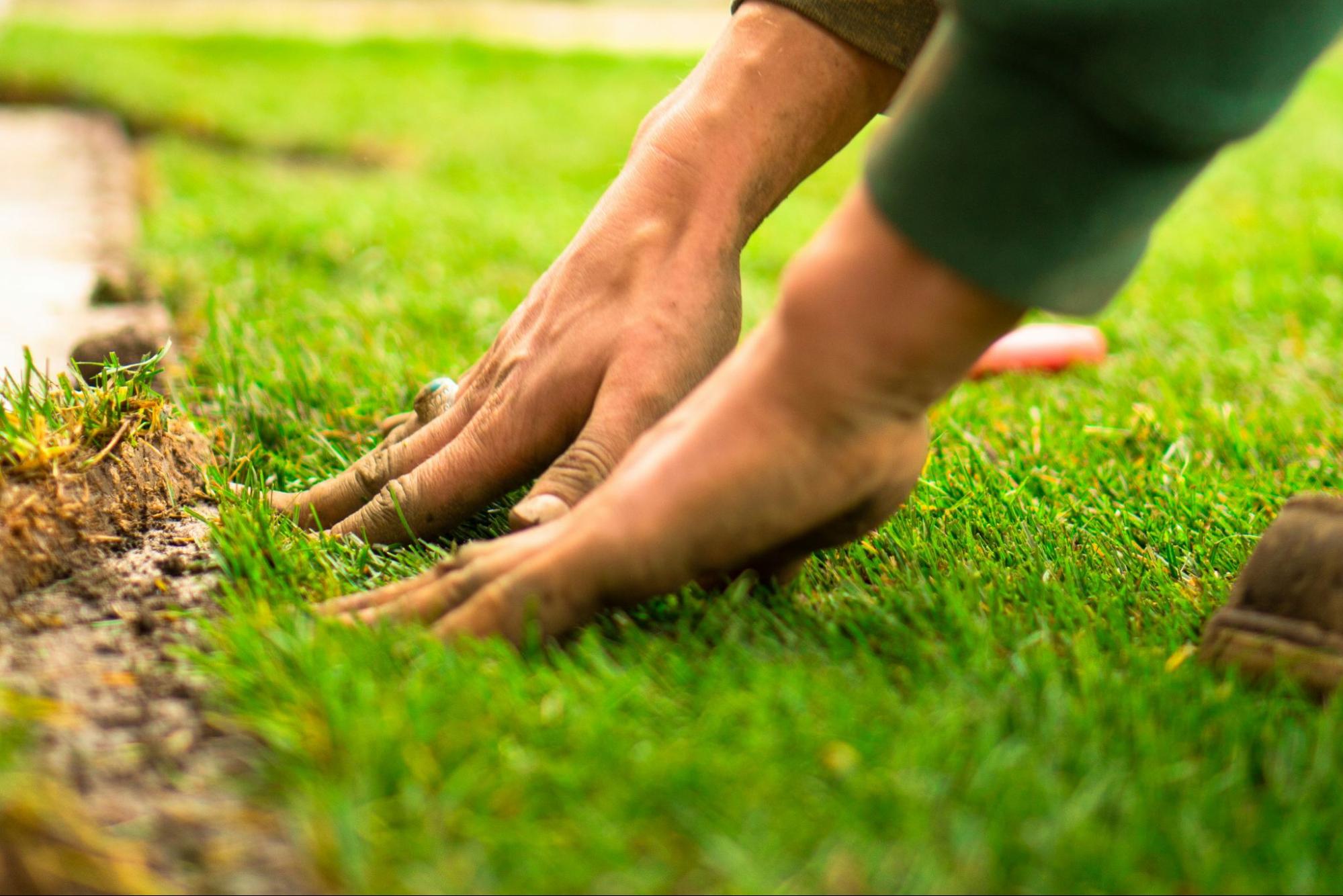
A gentle tug test is the best method for checking for rooting. Gently raise a corner of the sod and see if it comes off easily and is firmly rooted to the ground, which will mean its root system is sufficiently strong for mowing.
Grass height is equally essential, as all types of turf should be at least one-third taller than the specified mowing height before their first cutting.
Among other aspects of lawn care after sod installation, mowing should not be done while the soil is saturated, as this can cause tearing, rutting, and damage to the newly developed root system. In case the sod keeps moving and pulling out, give it a few more days before repeating the test.
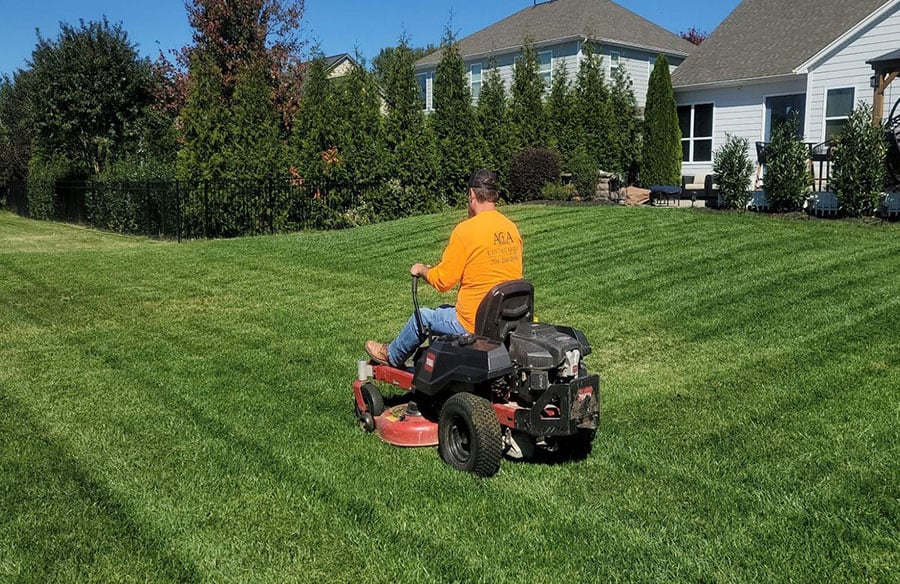
How to Mow New Sod for the First Time
The very first grooming of your fresh lawn needs to be conducted carefully to prevent overstraining it. Take note of the following details to make sure that your grass can be cut properly:
- It is necessary to have the mower blades sharpened beforehand.
- Clear the area of all pieces of wood, stones, and other garbage.
- Cut only dry grass.
- Never take off more than 1/3 of the grass height at once.
- Prevent pulling or shifting sod by taking gradual turns.
Following the sod mowing instructions will relieve you of pressure, since the blades used will give clean cuts that heal faster than those made with blunt blades. It is necessary to check the moisture levels regularly, especially if your lawn has been installed with sod.
Mistakes Homeowners Make When Mowing New Sod
Cutting the lawn too short is among the most common mistakes homeowners make. Removing grass before the roots have become well established can cause sections of sod to be pulled away and slow establishment.
Another common error is using dull mower blades, which drag grass rather than cut it. Heavy foot traffic, mowing your lawn when it is wet, and mowing it at very short lengths will make your newly installed lawn worthless.
Neglecting to water your lawn regularly until the roots take firm hold is yet another error. Even after the first cut of your sod installation, care during the installation process is still important.
What If You Wait Too Long to Cut
Mowing grass too early will destroy the sod, but mowing too late is not advisable either. Grass left very tall prevents light from reaching the lower leaves, reducing air circulation. Additionally, mowing the grass becomes difficult, hence leaving more leaves behind.
Allowing grass to grow longer than usual may put pressure on it and disrupt the mowing schedule. The ideal balance of rooting period and grass growth will give favorable results.
In conclusion
 One of the most important factors in creating a healthy lawn after the sod is laid is patience. These factors – proper mowing, proper mowing procedures, and making sure that the sod is properly rooted – will all contribute to more growth and better performance from the sod over time. You will give the newly laid sod the best chance of success by keeping an eye on how it looks rather than on the calendar.
Has it been recently that you have installed new sod or done your first mowing? Post any experiences or tips below.