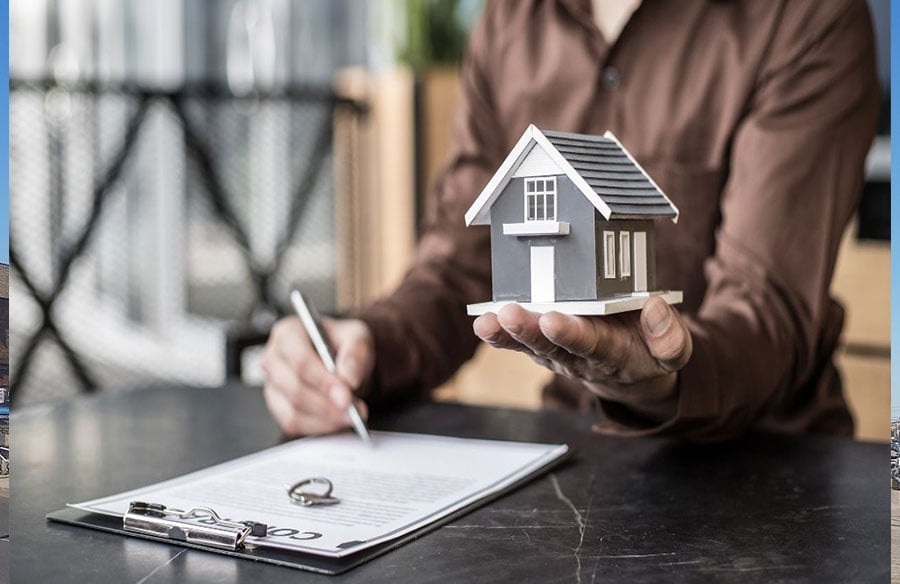
Owning property is often sold as the ultimate financial milestone. It is seen as security, wealth, and a smart long-term investment. For many people, buying a home or investment property feels like crossing a major life goal off the list. The focus is usually on the down payment, mortgage approval, and monthly loan installments. That is where most conversations begin and, unfortunately, where many of them end.
What does not get discussed enough are the ongoing costs that begin after you get the keys. These are the expenses that slowly show up month after month and year after year. Some are predictable. Others appear without warning and can put serious pressure on your finances.
Many first-time buyers go into property ownership believing their mortgage payment will be their main expense. Then reality hits. Repairs come up. Taxes increase. Utilities cost more than expected. Small issues turn into major expenses. What seemed affordable on paper can feel far more expensive in real life.
The truth is, property ownership often costs much more than the purchase price. And these hidden costs can affect everyone, whether you own a family home, rental property, apartment, or commercial space.
Understanding these costs does not mean property is a bad investment. It means being prepared. The more you know before buying, the fewer financial surprises you face later. This guide covers the hidden costs people rarely talk about but every property owner should understand.
The Mortgage Is Only the Beginning
A lot of people make the mistake of treating their mortgage as the full cost of ownership. It feels logical because the mortgage is usually the biggest monthly payment. But in reality, it is often only the foundation of a much larger stack of expenses.
Once you move in, ownership starts revealing costs lenders do not always emphasize. There are property taxes, maintenance costs, insurance, utility bills, repair funds, and sometimes community fees. Suddenly, the actual monthly cost of owning the property can look very different from the mortgage number you originally budgeted around.
This is where many homeowners feel financial pressure. On paper, the home looked affordable. In practice, ownership can stretch finances in ways many buyers did not expect. That gap between buying and truly affording a property is where hidden costs start showing themselves.
Maintenance Is a Permanent Expense
One of the least glamorous truths about property ownership is that maintenance never really stops. A house or building is not something you buy once and simply enjoy forever without ongoing investment. It constantly needs attention.
Paint fades. Plumbing ages. Roofing materials wear out. Appliances eventually fail. Heating and cooling systems need servicing. Even doors, windows, flooring, and fixtures slowly deteriorate with time. Some things need repair. Others need full replacement.
Even routine upkeep carries costs that people underestimate. Pest control, landscaping, gutter cleaning, waterproofing, servicing systems, and exterior maintenance may seem minor alone, but together they can become a steady annual expense.
The bigger issue is that delaying maintenance often makes things more expensive. A small plumbing leak can cause water damage. A neglected roof issue can turn into structural repairs. What could have been a manageable fix often grows into a major bill.
That is why experienced owners often budget for maintenance every single year. They understand upkeep is not an unexpected expense. It is part of ownership itself.
Property Taxes Can Quietly Increase
Many buyers look at current property taxes and assume those numbers will stay fairly stable. That assumption can be costly. Property taxes often rise, sometimes gradually and sometimes sharply.
As neighborhoods develop and property values increase, tax assessments can rise too. That means the same property may cost significantly more to hold several years from now than it does today. Buyers often underestimate how much this can affect affordability over time.
This is especially true in growing areas. A neighborhood becoming more desirable can increase property values, but it may also increase annual tax obligations. What looks like appreciation can sometimes come with larger ownership costs attached.
For people buying rental properties, this can impact returns as well. Rising taxes can reduce profitability more than many investors initially expect. It is one of those costs people often notice only after it starts increasing.
Insurance Costs Can Surprise You
“Insurance often seems straightforward during the buying process. It can feel like just another standard expense attached to homeownership. But insurance can become far more complex and expensive than buyers expect.
Many policies do not cover every risk people assume they do. Flooding, earthquakes, water backup, mold issues, and other risks may require separate coverage. That often means additional premiums many owners did not budget for.
Then premiums themselves can rise over time. Changes in weather risks, construction costs, claims history, and inflation can all affect what you pay. In some areas, insurance has become one of the fastest-growing ownership expenses.
Even when you have good coverage, deductibles can still mean major out-of-pocket costs when something goes wrong. Insurance offers protection, but it does not eliminate financial exposure entirely. That is something many buyers only learn later,” highlights Kate Wilhelms, Director of Marketing & Operations at Gateway Realty Group
Utility Bills Add Up More Than Expected
Utility costs are another hidden ownership expense that often gets underestimated. Many people move from renting to owning and assume these costs will stay relatively similar. That is often not the case.
Larger spaces typically mean higher costs for electricity, water, heating, cooling, and waste services. If the property is older, outdated systems can quietly push those costs even higher every month.
Poor insulation, inefficient windows, aging appliances, and older plumbing can make a property expensive to operate. Sometimes a lower purchase price on an older home comes with higher monthly utility costs that continue for years.
Then there are seasonal changes. Cooling bills during summer and heating bills during winter can spike much more than people expect. These are recurring costs, which means they can have a major long-term impact.
Repairs Rarely Come at Convenient Times
Every property eventually needs repairs. The question is usually not if they will happen, but when. And the reality is, major repairs often show up at the least convenient time possible.
A roof may need replacement years earlier than expected. Plumbing issues can appear without warning. Water heaters can fail overnight. Foundation concerns may surface after heavy rains. These are not small expenses, and they often cannot be postponed.
This is why emergency repair funds matter so much. Many owners budget for regular bills but not for sudden repair costs that can run into thousands. That is where ownership can become financially stressful.
What makes repairs challenging is not just the amount they cost, but the unpredictability. You may go months without issues and then face multiple repairs in the same year. That is part of ownership many people do not factor in before buying.
Homeowner Fees and Shared Costs
For people buying condos or homes in managed communities, association fees can be another hidden cost that grows over time. Buyers often focus on current fees but do not always consider how much they may increase.
Maintenance costs rise. Service contracts change. Shared systems age. As those expenses grow, fees often rise with them. What seemed affordable initially can feel much heavier years later.
Then there are special assessments, which can be one of the biggest surprises for owners. If a building needs major roof work, structural repairs, plumbing upgrades, or elevator replacements, owners may be asked to contribute significant amounts beyond monthly dues.
Shared ownership does not remove repair costs. It often simply changes how those costs appear. Understanding those obligations before buying can prevent very expensive surprises later.
Renovation Costs Often Spiral
Many buyers purchase property with improvement plans in mind. Maybe the kitchen can be upgraded later. Maybe the bathroom can wait another year. Renovations often feel easy to budget in theory.
Reality tends to be different. Materials cost more than expected. Labor costs rise. Hidden issues appear once work begins. A project that looked simple on paper can quickly expand in scope and cost.
A cosmetic remodel may reveal plumbing problems or outdated wiring. A flooring update may uncover structural issues underneath. That is how renovation budgets often grow far beyond original estimates.
There is also a hidden psychological cost. Once one area is improved, older areas may suddenly feel outdated, which often leads to even more spending. Renovations can add value, but they can also become a major financial commitment.
The Hidden Cost of Time
One expense many people overlook completely is time. Property ownership does not only cost money. It often demands a surprising amount of attention and energy.
There are repairs to coordinate, contractors to manage, service appointments to schedule, paperwork to handle, and problems to solve. Even when everything is going smoothly, ownership takes time.
For landlords and investors, this can be even more significant. Managing tenants, vacancies, maintenance requests, and compliance can feel like an ongoing job rather than passive income.
Time has value, even if it does not appear in your monthly expenses. It affects your lifestyle, stress levels, and even other financial opportunities. It may be hidden, but it is absolutely part of ownership costs.
Interest Costs Add More Than People Realize
Many buyers focus on purchase price but do not always think about how much financing adds over time. Yet interest can dramatically change what a property really costs.
Over decades, mortgage interest can add a substantial amount to the total price paid. A property purchased at one figure may end up costing far more once interest is included.
This becomes even more important during higher-rate periods. Financing costs can shape affordability just as much as purchase price, yet many people underestimate their long-term impact.
Understanding the true cost of borrowing helps paint a much more realistic picture of ownership. It is not just what the property costs today. It is what you will actually pay over time.
Rental Properties Have Their Own Hidden Expenses
Investment properties are often marketed as passive income opportunities, but the reality can be far more complicated. Hidden costs exist there too, and sometimes in even greater numbers.
Vacancies can reduce income quickly. Tenant turnover often brings cleaning, repairs, repainting, and marketing costs. Appliances may wear out faster in rental properties, adding to expenses.
Then there are tenant-related risks. Damage, payment issues, legal costs, and emergency repairs can all impact profitability. What looks like strong returns on paper may shrink once real operating costs appear.
Successful property investors often focus less on gross rent and much more on net returns after expenses. That is where the real story usually is.
The Emotional Cost No One Mentions
There is another hidden cost that rarely gets discussed, and that is stress. Property ownership can bring security, but it can also bring pressure when unexpected costs pile up.
Major repairs can be stressful. Rising expenses can be stressful. Managing property decisions can be mentally draining, especially when costs arrive unexpectedly.
Financial decisions affect more than bank accounts. They affect peace of mind. That emotional side of ownership matters more than people often realize.
Being prepared for hidden costs reduces much of that stress. And often, preparation is what separates enjoyable ownership from overwhelming ownership.
Final Thoughts
Owning property can absolutely be a smart long-term move. It can build equity, provide security, and create financial opportunities over time. But it is important to understand ownership in its full reality, not just through the lens of a purchase price.
The hidden costs of owning property are not rare exceptions. They are part of normal ownership. Maintenance, taxes, insurance, repairs, utilities, financing costs, and time commitments all shape what owning property truly costs.
The problem is not that these expenses exist. It is that too few people prepare for them before buying. That is where costly surprises happen.
The smartest property owners are often not the ones who avoid spending money. They are the ones who understand where the real costs lie and plan for them early.
Because buying property may get you through the front door. Understanding the hidden costs is what helps you stay there comfortably for years to come.