
A renovation design is only buildable when the financing fits the project. The way you draw funds, when payments start, and how much flexibility you keep can either protect a design or force compromises later. Financing belongs in the planning process, not after the drawings are complete.
This guide looks at renovation financing through an architect’s planning lens: match scope, phasing, cash flow, and risk to the right borrowing structure. Rules and rates vary by country, so the main guidance reflects United States practice, with Australia-specific notes where they apply.
What renovation financing actually covers
Most lenders draw a line between permanent improvements and items you could take with you. Structural work, kitchens, additions, roofing, and building systems generally qualify as property improvements. Furniture, decor, and appliances that are not built in usually do not fit renovation-specific loan programs.
That distinction can affect taxes. In the United States, interest on home equity borrowing is generally deductible only when the money is used to buy, build, or substantially improve the home securing the loan. If proceeds go toward something else, the interest is not deductible. Rules change and personal situations differ, so confirm any deduction with a tax professional.
Step 1: Define scope, phasing, and contingencies
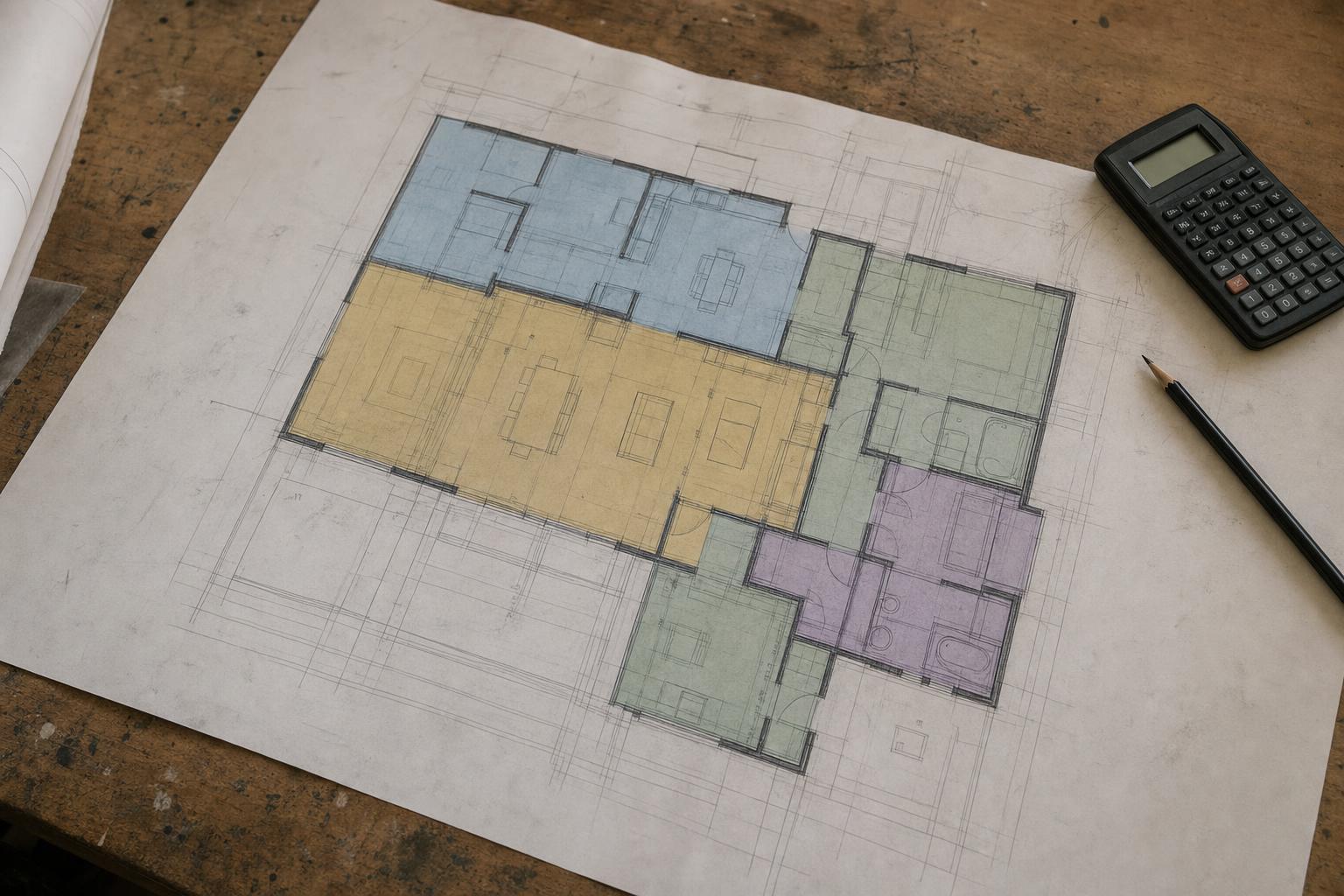
Start with the design itself. A fixed-price, single-phase job, such as a defined kitchen remodel, has a known cost and a clear finish line. That certainty often pairs well with a lump-sum loan. A phased project with allowances, such as an addition completed in stages, usually benefits from funding you can draw as work progresses.
Build in room for surprises. A contingency of roughly ten to twenty percent is a practical habit for medium-to-large renovations, since older structures and change orders rarely stay on script. If the home will be unlivable during part of the work, include temporary housing and storage costs.
 Step 2: Check your borrowing power and usable equity (U.S. vs. Australia)
Tappable equity is roughly your property’s value minus what you still owe. Not all of that equity is usable. Lenders keep a cushion, and their valuation may differ from an agent’s price guide, so plan with a conservative number.
In the United States, borrowing power depends on income, credit, existing debt, and the lender’s valuation of the home. For major work, that valuation may consider the property after improvements are complete. Getting a realistic number early helps prevent a design from outgrowing the budget.
 Australia callout: buffers, LVR, and LMI
Australia-specific lending rules shape how much equity you can access. Lenders assess loans using serviceability buffers, which test whether borrowers could repay at a rate above the advertised one. Loan-to-value ratio also matters. Australian bank guidance commonly treats an LVR above 80% as a threshold where Lenders Mortgage Insurance (LMI) may apply, adding to the cost of accessing equity.
Local dynamics can affect a valuation. For readers in Queensland, suburb-level lending differences and local schemes can influence lender appetite, so some homeowners speak with trusted North Brisbane mortgage brokers who understand inner-north and Moreton Bay conditions before committing to a structure.
Step 3: Choose the right structure for your scope and timeline
Once scope and usable equity are clear, compare products by how well they fit the work. Each option below suits a different design, timeline, and risk profile.
Home equity line of credit (HELOC)
A HELOC is a revolving line of credit secured by your home equity. You can usually draw from it repeatedly during a set draw period, followed by a repayment period when monthly payments can rise. That flexibility can fit phased work, but HELOCs often carry variable rates.
Home equity loan
A home equity loan is a lump sum, also secured by your equity, and is typically repaid on a fixed schedule. Predictable payments make it a natural fit for a fixed-scope job where you know the cost up front.
Cash-out refinance
A cash-out refinance replaces your existing first mortgage with a larger one and returns the difference in cash. It can consolidate borrowing into one payment, but if current rates are higher than your existing mortgage rate, it may increase total interest cost.
Renovation mortgages (U.S.)
For larger structural work, a renovation mortgage can bundle the purchase or refinance with the cost of improvements. Fannie Mae’s HomeStyle Renovation refinance can finance improvements based on the property’s as-completed value, so borrowing can reflect the finished home rather than only its current condition.
Title I property improvement loans (U.S.)
For smaller to mid-size permanent improvements, HUD’s Title I property improvement program is another route. Under that program, loans over $7,500 must be secured by the property, so know where your project sits relative to that threshold.
Australia callout: accessing equity to renovate
In Australia, homeowners often tap existing equity through a loan top-up or a full refinance rather than a separate renovation product. Lenders typically cap usable equity by LVR, and access is still subject to income, expenses, credit history, and valuation. A broker can outline whether a top-up or full refinance suits your plan when using equity to renovate, without any single lender covering the whole market or guaranteeing an outcome.
Step 4: Understand where energy upgrades and incentives fit
Energy improvements can sit alongside a broader renovation, but treat any rebate as a bonus until it is confirmed. In the United States, federal and state energy programs can change over time, and state-run rebates often roll out on separate timelines. Availability, caps, and eligible work vary by location.
Check the current status of any rebate or credit before you rely on it, and confirm tax-related items with a professional. Counting on an unavailable incentive can leave a real budget gap.
Step 5: Prepare documentation and a realistic timeline
Renovation and equity deals usually require more paperwork than a straightforward refinance. Lenders commonly ask for builder quotes or signed contracts, plans and specifications, permits, and, for renovation mortgages, escrow arrangements and inspections. Staged draws tied to inspections are common.
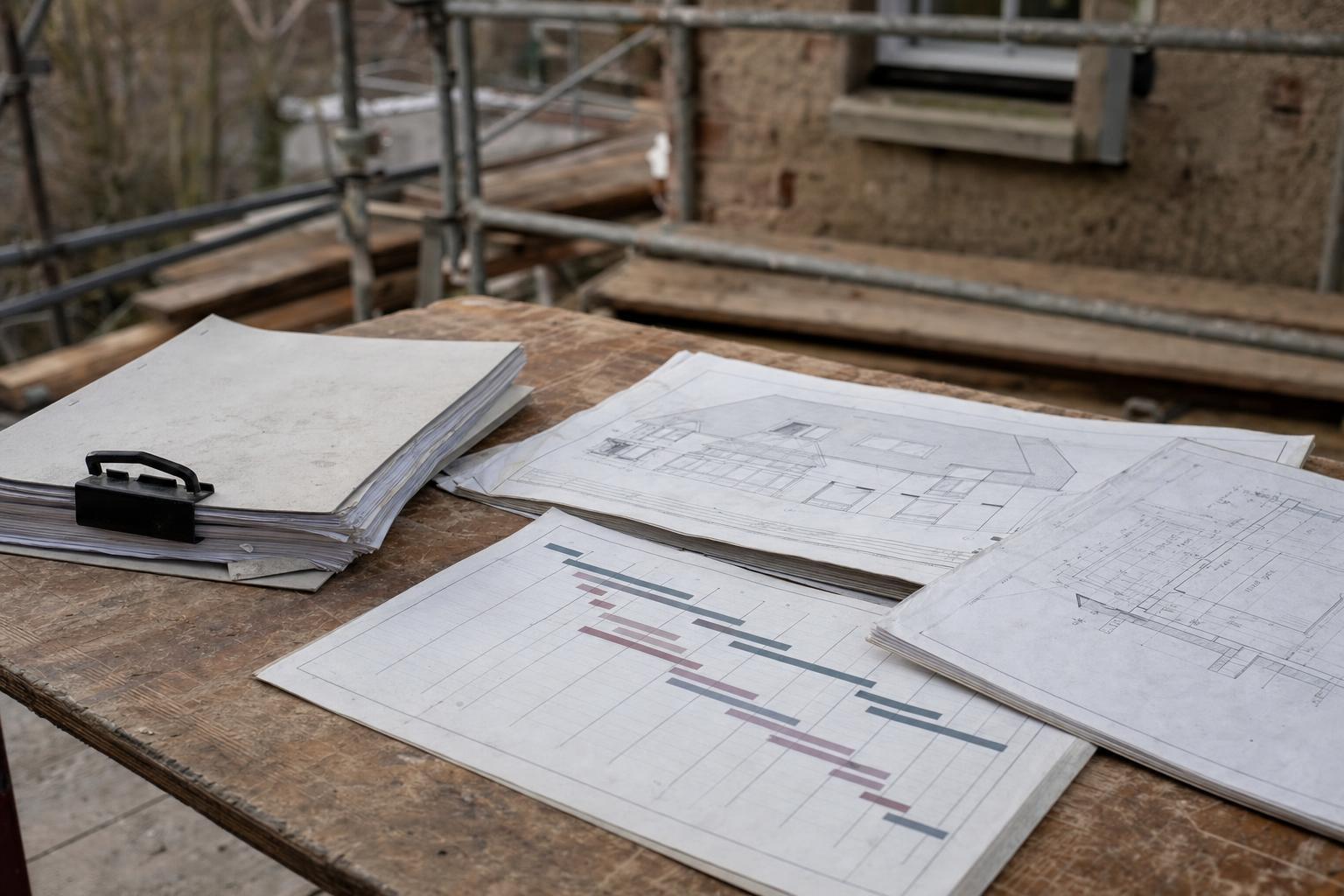
Timeline matters as much as documents. Some renovation programs allow upfront draws for early costs such as architect fees or permits. Knowing the draw schedule in advance helps you sequence contractor payments without cash-flow gaps.
 Step 6: Compare the total cost of capital, not just the rate
The headline rate is only part of the picture. Fees, closing costs, fixed or variable pricing, draw mechanics, re-pricing risk, and how long you plan to stay all shape the true cost. A slightly higher fixed rate can be cheaper over time than a low variable rate that later resets upward.
A simple framing helps. A fixed-scope kitchen with a known price often suits a home equity loan. A phased addition with evolving costs may require the flexibility of a HELOC. A whole-house overhaul that changes the property’s value may call for a renovation mortgage like HomeStyle.
Step 7: Manage the risks before they manage you
A few risks recur across renovation financing. Variable-rate HELOCs expose you to rate fluctuations, and the shift into repayment can cause payment shock. Over-capitalizing, or spending more than nearby comparable homes can support, is another quiet risk. Permit delays and change orders can also stretch timeline and budget.
Practical safeguards include keeping a contingency untouched until needed, scheduling inspections at each stage, documenting change orders in writing, and stress-testing your budget against a higher payment. These habits protect the design intent and your monthly cash flow.
Where regional expertise helps
Good renovations usually involve an architect, a general contractor, and, where borrowing is complex, someone who understands lending. In Australia, suburb-savvy brokers can be useful for valuation nuances and LVR or LMI thresholds. They can also help compare a loan top-up with a full refinance when equity funds the work.
A simple decision path
Bring the steps together as a short sequence. Start with scope and timeline, then confirm usable equity and borrowing power with a realistic valuation. Shortlist product types that match the work: lump-sum funding for fixed-scope jobs, flexible draws for phased projects, or a renovation mortgage for major structural change. Vet the documentation and compare total cost, not just the rate.
Financing is not the exciting part of a renovation, but it keeps the exciting parts possible. When the money is planned with the same care as the drawings, the finished home is more likely to match the one on paper.