Many people assume event production is just about setting up gear, but it actually shapes every moment guests experience. It’s the behind-the-scenes work that turns design concepts into clear sightlines, immersive sound, and environments that feel intentional from the second someone walks in.
If you want to understand why some events feel seamless while others fall flat, this article breaks down how production teams connect design, technology, and logistics. You’ll see how these choices help architects, venue designers, and planners bring their ideas to life.
How Production Shapes a Designer’s Vision
Event production transforms drawings and renderings into something functional. Designers think in terms of aesthetics, but production teams focus on elements that make those designs usable for audiences and performers. When both sides collaborate early, fewer compromises surface later.
Production touches every part of the audience experience. It determines whether a projection can be seen in bright rooms or whether a museum atrium has the right acoustics for a keynote session. Because each venue is unique, these decisions require technical planning as well as creative problem-solving.
Here are some core areas production teams evaluate during early planning.
- Sightline mapping
- Lighting needs
- Power and rigging options
These early checks prevent issues from appearing during installation or rehearsals.
Coordination Workflows That Keep Events Running Smoothly
Designing a venue is one thing, but running it during a busy event season is another. Event production crews work closely with onsite teams to keep schedules tight and expectations aligned. Museums, campuses, and resorts often rely on flexible layouts, so collaboration ensures that every event uses the space confidently and safely.
Many planners working on destination events find even more value in on-island partners. A natural example is relying on event production services in Maui, which offer local support and quick turnaround for equipment and labor. These relationships matter when unexpected changes happen or when shipping delays would otherwise disrupt plans.
Successful coordination also depends on how teams divide responsibilities.
- Venue operators manage access and policies
- Designers provide intent and constraints
- AV and production crews handle technical delivery
Clear communication between these groups makes the entire process more efficient.
Bringing Technical Demands and Guest Experience Together
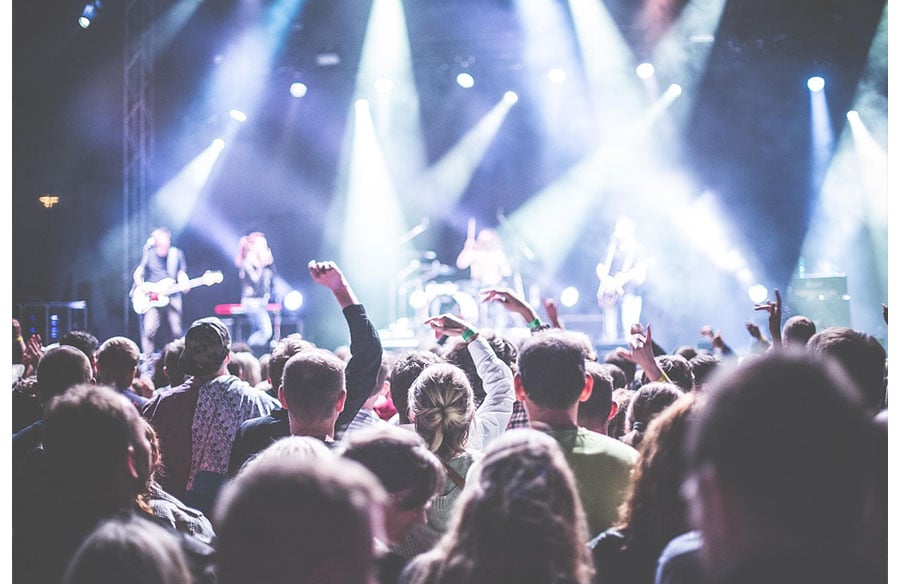
Live events only succeed when technical systems support the energy of the moment. Audio must cut through background noise without overpowering it, while lighting has to showcase speakers or performers without washing out video screens. When sustainability and accessibility enter the conversation, production becomes even more vital.
Pre-Event
Teams work through the space to verify gear setups, accessibility paths, and safety considerations. They make sure every technical element supports the event’s purpose.
During the Event
Operators monitor sound, lighting, and video cues while directors guide timing and transitions. The goal is to make the technical foundation feel invisible, allowing guests to focus on the experience.
Why Flexibility Is a Hidden Strength in Event Production
Flexible planning is one of the most underrated parts of successful event production. Even the best-designed venues encounter unexpected variables, from shifting weather during outdoor programs to last-minute program updates from speakers or performers. Production teams build adaptable systems so these changes don’t disrupt the guest experience.
This flexibility also supports venues that host a wide range of events. A campus theater, a museum gallery, or a resort ballroom may all require different layouts within the same week. When production crews design modular setups and scalable workflows, venues can accommodate more events without sacrificing quality or consistency.
Moving Forward With Better Event Production
Strong event production helps venues communicate their design intent clearly and deliver experiences that feel polished from start to finish. When designers and onsite teams work together, events run smoother, and guests notice the difference.
If you want to continue exploring how event production supports live events, take a moment to look into services and resources that align with your goals. Reaching out with questions or ideas is a great way to start shaping better experiences for your own projects.