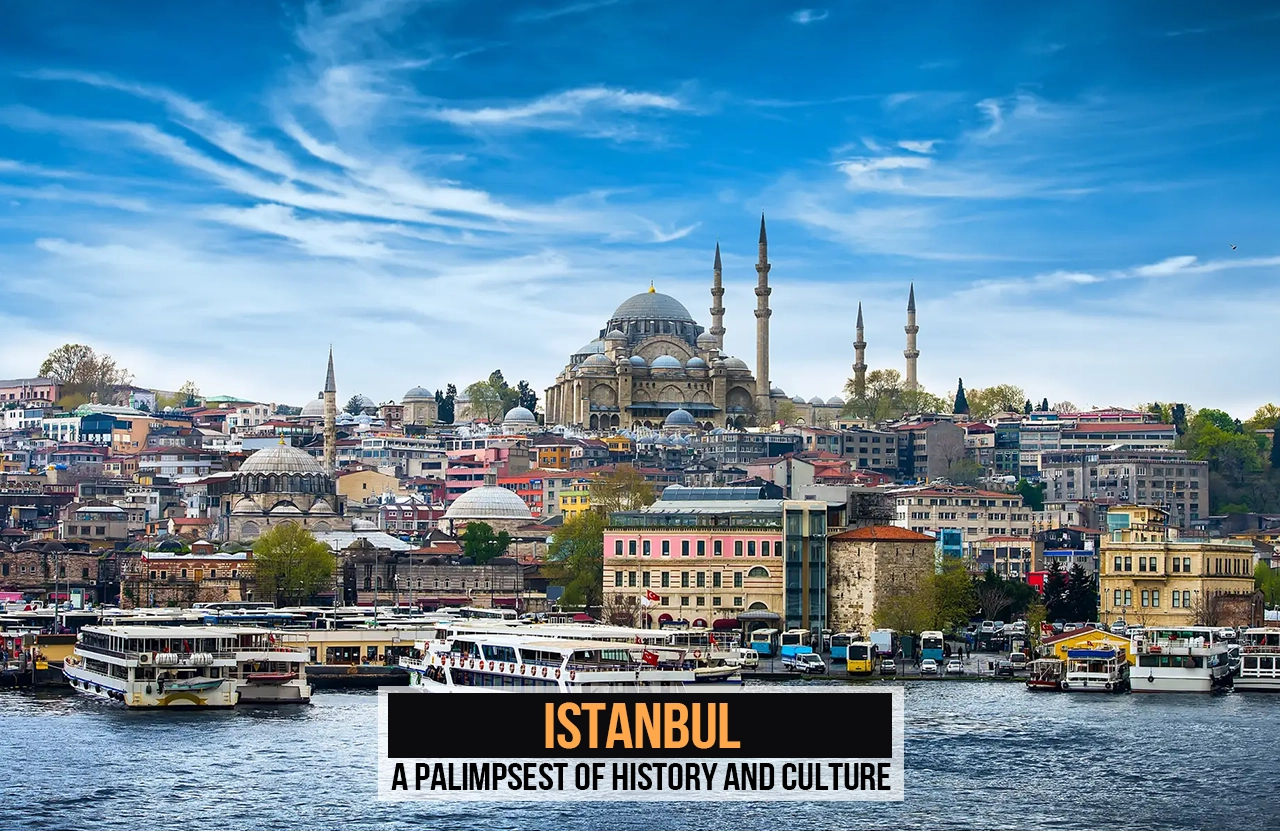
A palimpsest of history and culture, Istanbul is a city not only bordered and split by waterways (the Golden Horn, the Bosphorus Strait, and the Sea of Marmara), but also by the continental divide (Europe and Asia). The layers of this ancient city affect its perception by its citizens and visitors alike. A city named Byzantium and Constantinople in the past, modern-day Istanbul has the cultural imprint of its history and culture deep in its roots. Together, the architectural influences present a new way of looking at the modern city.
Hagia Sophia
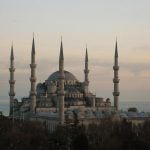
Originally completed as a cathedral in the year 537, Hagia Sophia became the centre of Constantinople, now modern-day Istanbul. For almost 1000 years, it was the largest cathedral in the world. During the Byzantine era, this building became the focus of not only the religious but also the political life of the city. Later on, during the Ottoman Empire’s reign, the building was transformed into a mosque. Minarets and mihrabs were added along with traditional Islamic calligraphy. From then on, the building has been a museum since 1934. Then, in 2020, it reopened as a mosque while remaining open to the public.
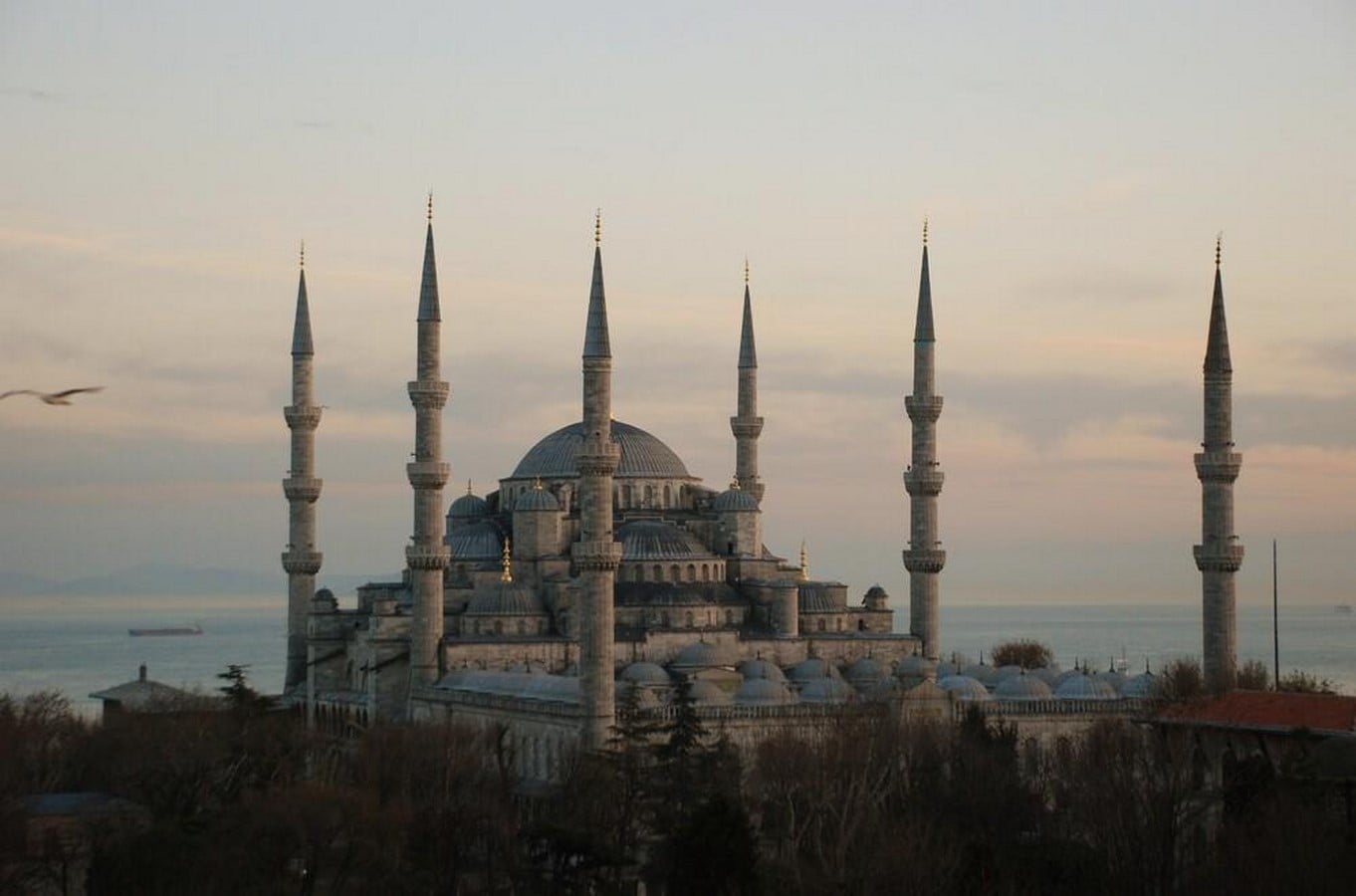
Hagia Sophia is a wonderful representation of the layers that create Istanbul’s cityscape and individual architecture. In the modern day, visitors can see the building functioning as a mosque, while seeing the levels of religious iconography throughout time. A standing testament to history and culture, it’s no wonder the building has changed over time to meet the needs of its citizens throughout its lifetime. One can’t help but imagine and see the history this building has lived through and the people who graced its halls centuries ago.
Nuruosmaniye Mosque
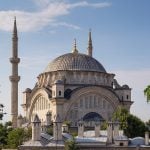
The Nuruosmaniye Mosque in Istanbul is a great example of a building of different styles. The first mosque designed in the Ottoman Baroque style, it exemplifies the continued exposure and influence of European ideas. Construction of the complex was completed in 1755, and it is agreed upon that it was designed by the Greek architect Simeon Kalfa. Previously, Baroque and Neoclassical styles have permeated the city’s buildings, but usually to those secular in nature. The Nuruosmaniye Mosque was the first religious building in the Ottoman Empire to employ decorative baroque elements in this setting.
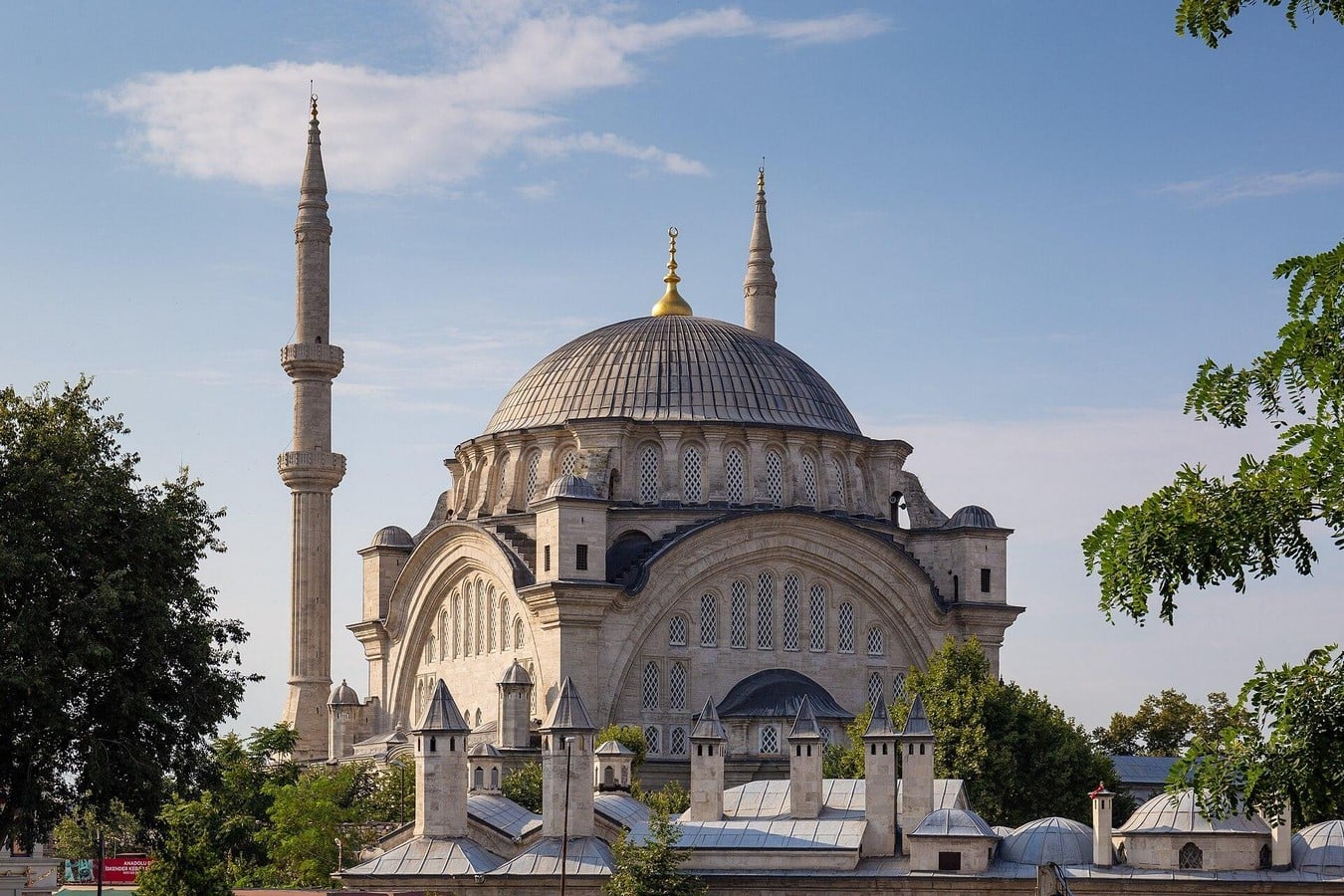
Seeing a European style, such as Baroque, combined with an Ottoman Islamic mosque seems like an odd pairing at first glance. However, it is the extravagance of both that creates a view that people want to explore further. If this is a tourist’s first stop on their Istanbul tour, it may seem odd. But after seeing quite a few architectural styles, it makes sense. The city is full of contradictions, of mixing cultures. History preserved in a city like this allows the visitor to time-travel while simultaneously exploring the current culture of what makes Istanbul what it is, a palimpsest.
Grand Bazaar
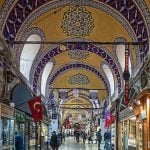
The Grand Bazaar in Istanbul is one of the largest covered markets in the world. It was built by Fatih Sultan Mehmet in 1460 and has been in operation for over 550 years. The total area of the market covers 30,700 square meters and consists of over 3,600 places to shop. Goods ranging from antiques to crafts to food and drinks exist all in one place. The design itself is described as a labyrinth, yet the shop placements still have a semblance of organisation.
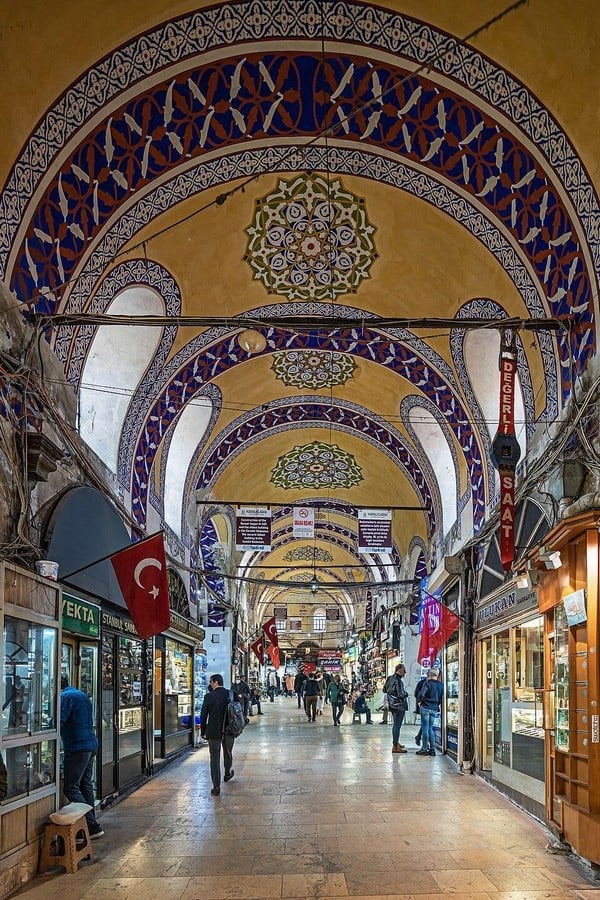
Istanbul’s Grand Bazaar is visited by locals and tourists alike. The commercial atmosphere blends with the cultural art being sold. The balance of economics and art together once again represents the juxtaposition of the city of Istanbul. A visitor can take part in the cultural tradition of haggling for goods while enjoying traditional art forms of jewellery or textiles. They can eat traditional food and wander through the covered streets, experiencing culture. Like many other structures here, it represents the history of the city well.
Topkapı Palace
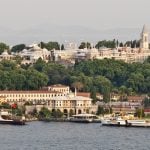
Now functioning as a museum, the Topkapı Palace in Istanbul served as the home of sultans and Ottoman royalty from approximately the 1460s until the completion of the Dolmabahçe Palace in 1853. Governmental business was conducted here, too, until they slowly transitioned to the other palace. The complex itself is built on an area of roughly 700,000 square meters, comprising of rooms and various gardens. Renovations and reconstructions due to earthquakes and ruler demands continued over time. In particular, this is evident in the terraces at either end of the palace, which represent different eras through their views.
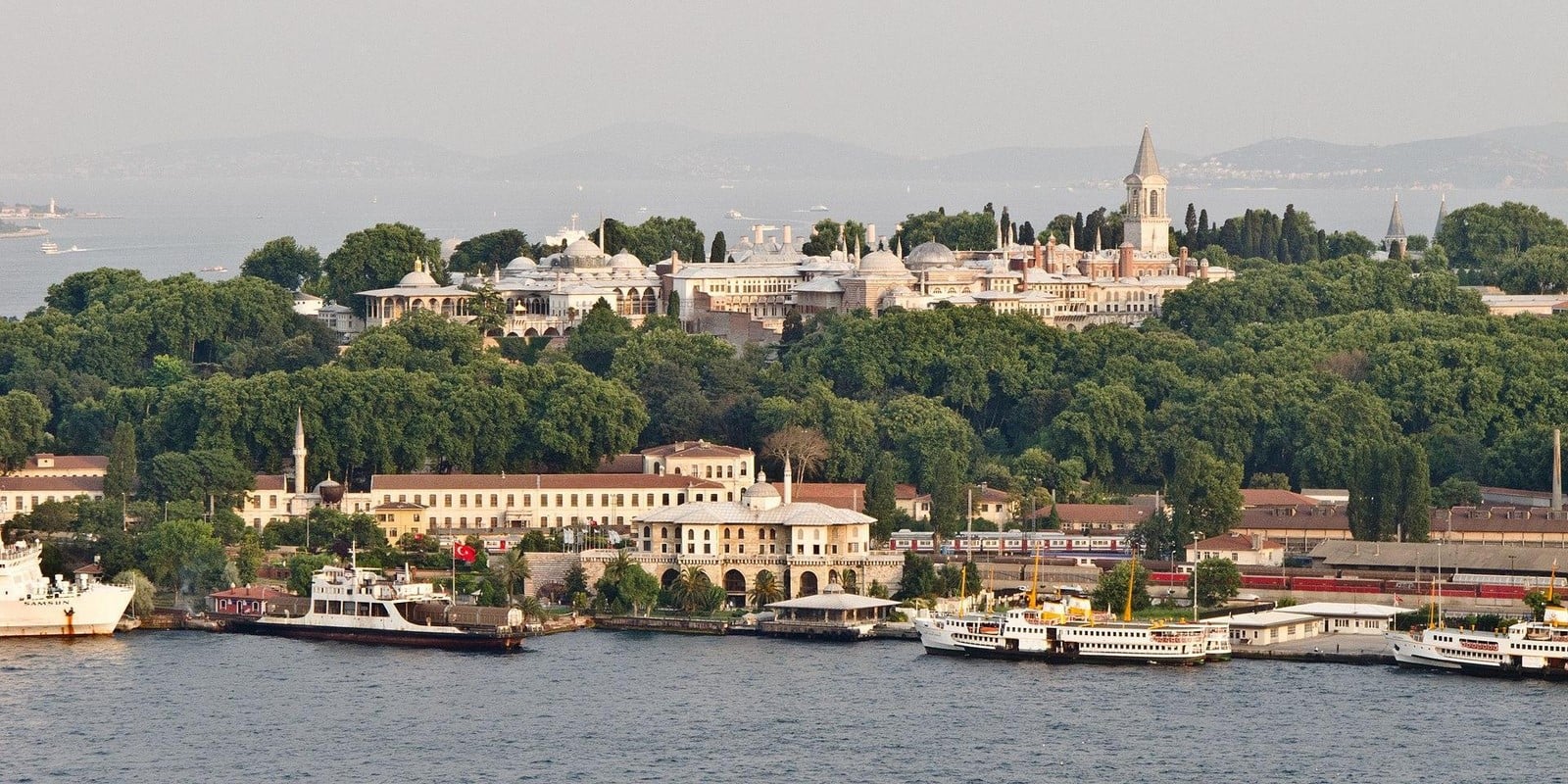
A palace of this time period can represent so much more than royal bloodlines. Palaces were the home of the political and governmental bodies. These buildings are constantly changing and being renovated to accommodate the current sultan’s needs and preferences, while preserving the past. It truly shows the palimpsest of time and culture in the palace’s walls. The terraces at the building’s ends represent this alone. Unmatched views from the palace, but there is nothing that “matches” in Istanbul. It’s a city with so much influence from all over, evident even during the Ottoman Empire’s reign.
Küçük Çamlıca TV & Radio Tower
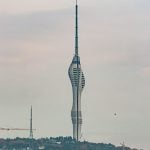
Lastly, for a more contemporary piece of architecture, there is the Küçük Çamlıca TV & Radio Tower. Designed by Melike Altınışık Architects and completed in 2020, it is currently the tallest building in Istanbul. This tower is unique in that it was designed to combine broadcast antennas from around the city, enhancing sound quality and removing the cluttered look of the old ones. Despite the form inspiration from the historic Turkish tulip, the design itself is pretty futuristic in its aesthetics, proving that modern and historic buildings can coexist in the same urban fabric.
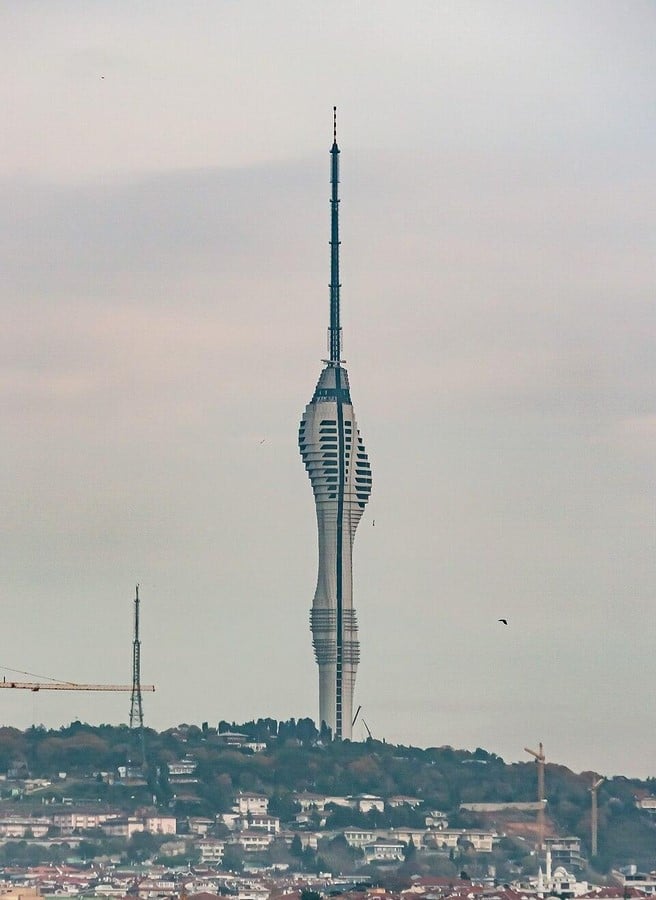
Even though this building is relatively new, its form still embodies the region’s history. The shape replicating an emblem important to the Ottoman Empire respects and pays tribute to Istanbul’s past. The idea of creating the tower itself to take down all the old antennas that were interfering with each other and creating one central location for broadcasts is proof that not all infrastructure needs to be preserved. Sometimes it is better to improve the urban fabric by starting over and building new. In a city that has done so much saving and adding on, this structure embodies the same ideas while still being brand-new.
Istanbul’s Future
Stepping into Istanbul is like stepping into the past, present, and future simultaneously. A juxtaposition of new and old, oriental and occidental, and even citizens and tourists, it contradicts itself in the best way. From the city walls to its religious cathedrals and mosques, to the political palaces and the contemporary buildings in between, Istanbul is home to a great cultural and architectural scene. Citizens and tourists alike will take the palimpsest layers of history and culture, which will continue to grow and expand to embrace whatever era comes next.
Reference List:
Camlica Tower (2025). Camlica Tower: Istanbul’s New Star among World Landmarks. [online] Camlica Tower. Available at: https://camlicatower.com/camlica-tower-istanbuls-new-star-among-world-landmarks/ [Accessed 30 May 2026].
Grand Turkish Bazaar (2018). History of the Grand Bazaar Istanbul. [online] Grand Turkish Bazaar. Available at: https://www.grandturkishbazaar.com/history-of-the-grand-bazaar-istanbul/ [Accessed 30 May 2026].
Holidays, S. (2026). A Monument through Time. [online] Hagiasophia.com. Available at: https://www.hagiasophia.com/history [Accessed 30 May 2026].
Topkapi Palace Museum (2024). The History of the Topkapi Palace. [online] Topkapi Palace Museum. Available at: https://topkapipalacemuseum.com/the-history-of-the-topkapi-palace [Accessed 30 May 2026].
UNESCO (2016). Nuruosmaniye Complex. [online] UNESCO World Heritage Convention. Available at: https://whc.unesco.org/en/tentativelists/6122/ [Accessed 30 May 2026].