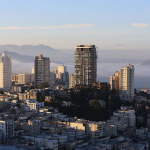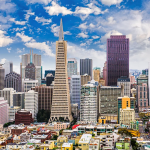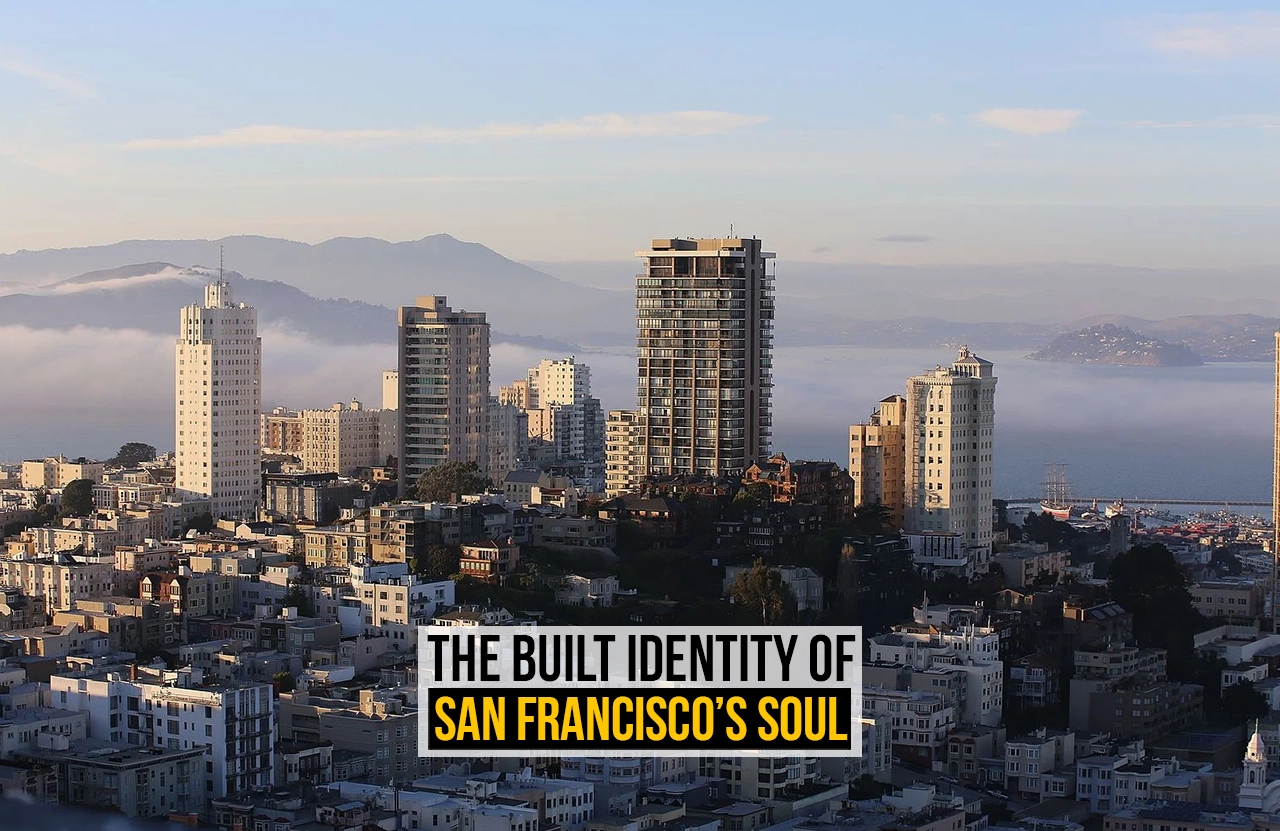
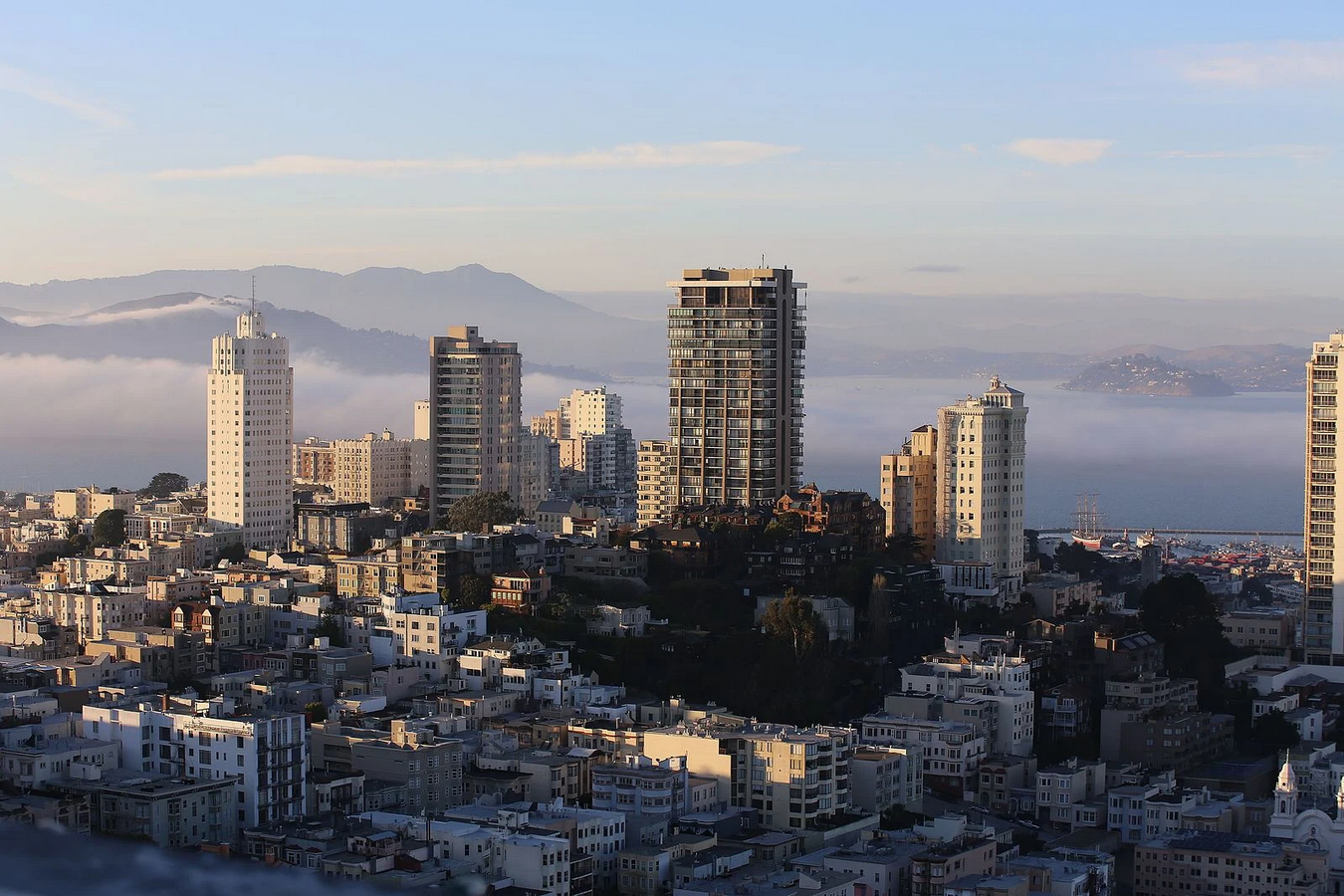
San Francisco is notable for its blend of Victorian architecture, modern high-rises, and unique urban design. This fusion conveys a narrative of deep history and cultural variety. These styles illustrate San Francisco‘s talent for evolving while protecting its distinctive character. The city’s architecture is influenced by a rich history, from the Gold Rush era through the earthquake reconstruction to modern development. Each period has contributed to the cityscape in unique ways. San Francisco displays a range of architectural styles that embody its cultural richness, historic strength, and ongoing transformation. Walking through the city felt like wandering through a vibrant museum, where the architecture told the tale of its people.
A Tapestry of Heritage- The Golden Gate Bridge
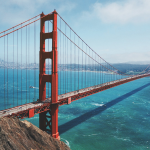
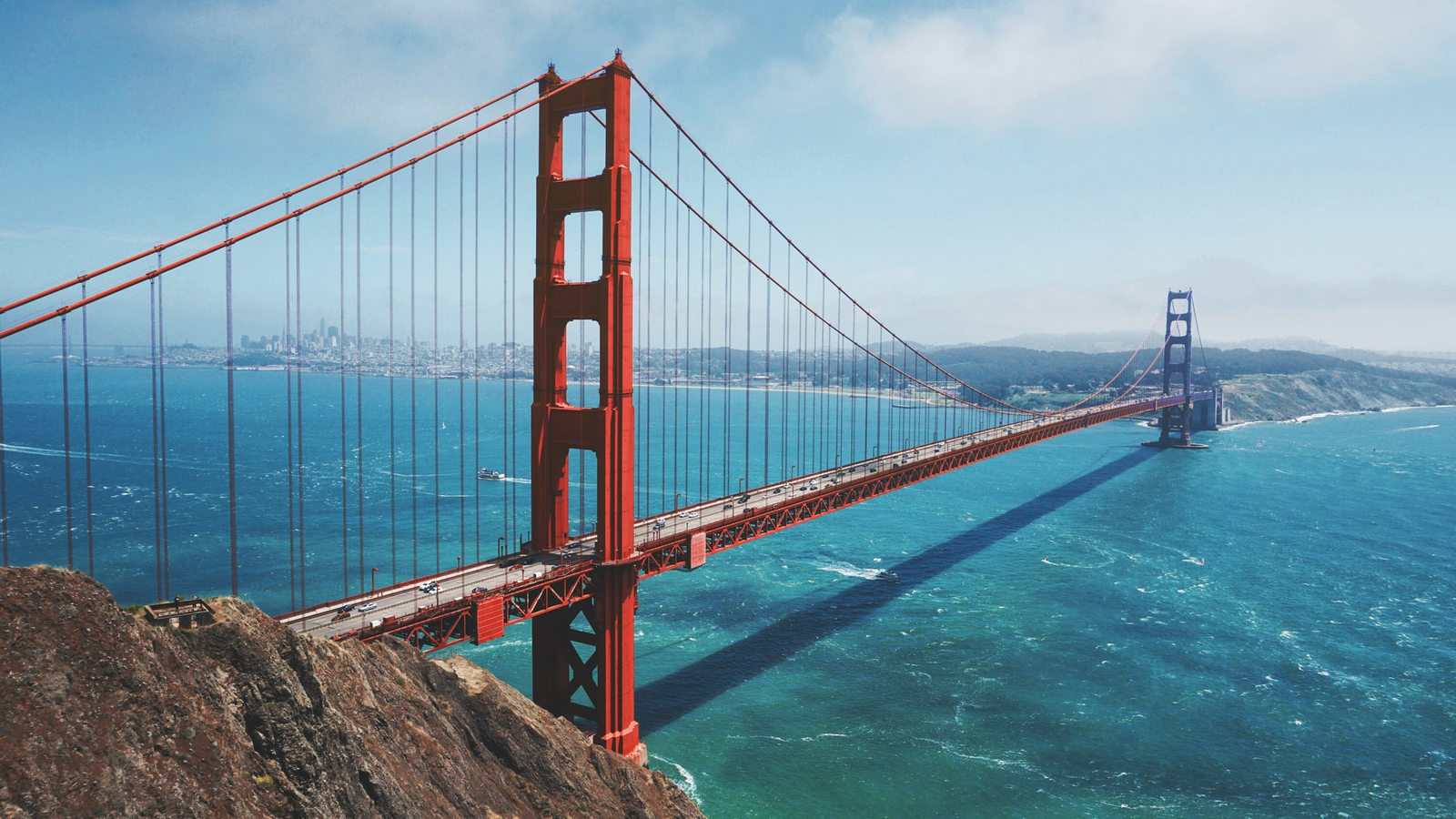
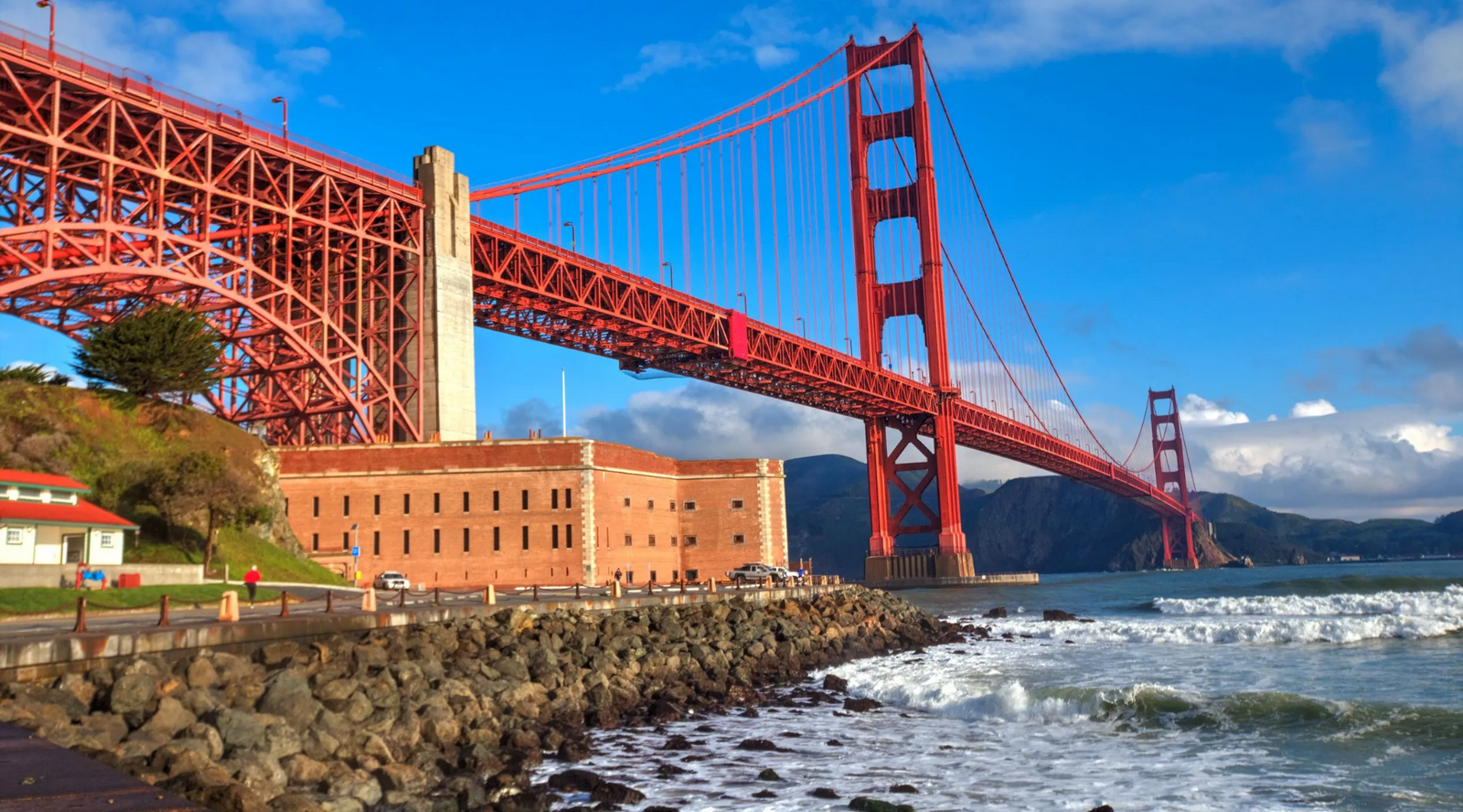
My journey started at the city’s most iconic landmark: the Golden Gate Bridge. It spanned the strait between San Francisco and Marin County and remains a symbol of innovation, ambition, and progress. The bridge’s orange vermilion colour stood out against the landscape, even through the city’s frequent fog. Walking along the pedestrian path, I admired the towers and the sweeping cables. Once, it had been the tallest and longest suspension bridge in the world. As I looked up at the suspension cables and down at the shimmering water, I appreciated the remarkable craftsmanship and perseverance that helped overcome huge construction challenges to create this architectural masterpiece in 1937.
Layers of the City- Fort Point
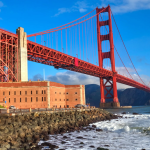
As I explored Fort Point beneath the Golden Gate Bridge, I stepped into a remarkable piece of San Francisco’s history. Built to protect the harbour during the Civil War, the fort stood proudly at the entrance to the bay, its impressive brick masonry echoing the colour and character of the bridge above. Walking through its arched corridors and casemates, I admired the craftsmanship of nineteenth-century builders and imagined the soldiers once stationed here. From 1933 to 1937, the fort had served as a base for the construction of the Golden Gate Bridge. In World War II, Fort Point had been home to approximately 100 soldiers who operated searchlights and rapid-fire cannons positioned on top of the fort to help protect a submarine net that spanned the entrance to the Bay.
Walking Through Painted Ladies
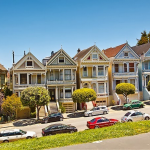
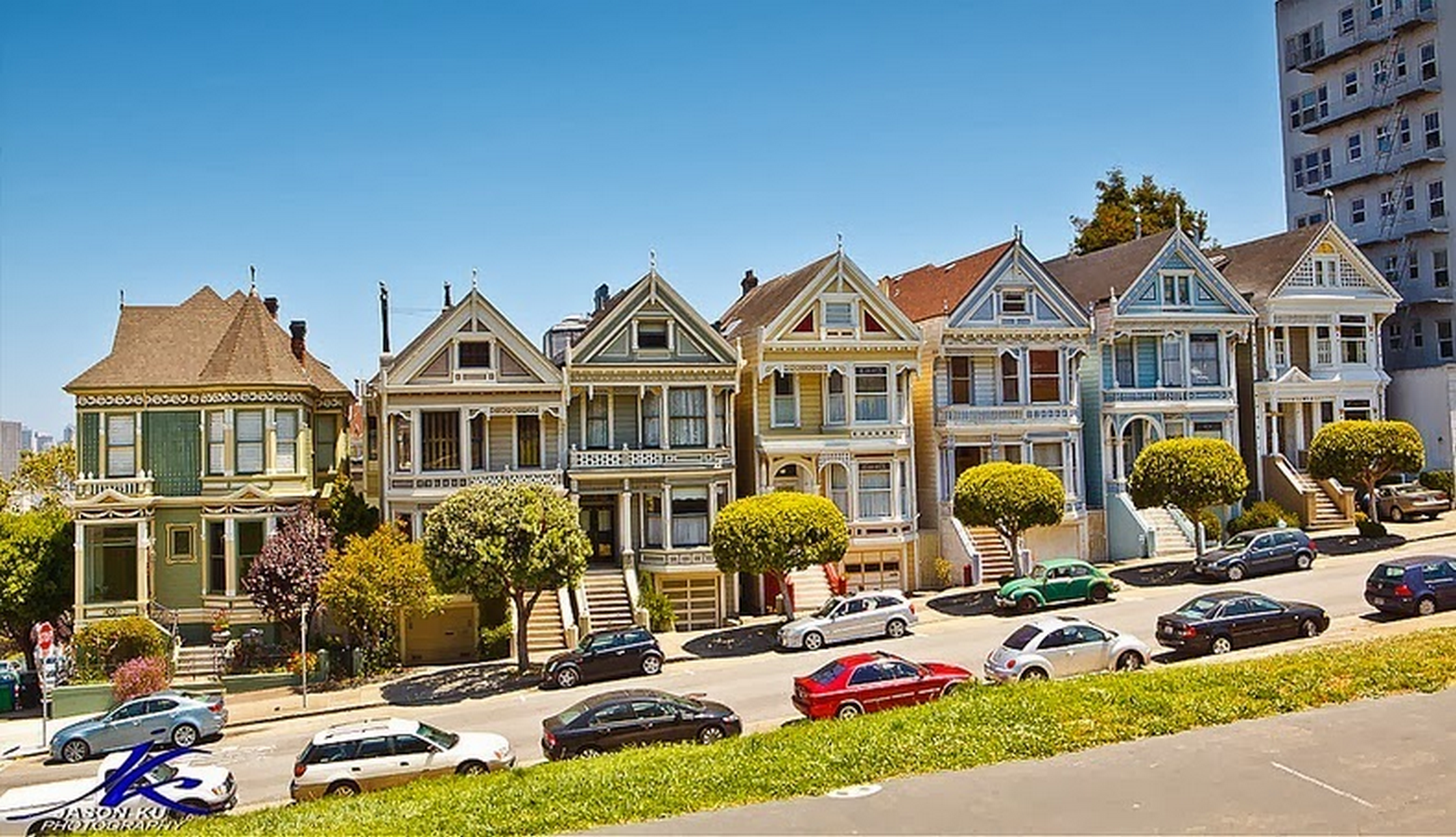
Wandering through San Francisco’s residential neighbourhoods, I am captivated by the remarkable variety of architectural styles that line the streets. Colourful Victorian and Edwardian houses stand side by side, each displaying intricate details and unique character. In Alamo Square, I saw the famous Painted Ladies, their vibrant façades highlighting the craftsmanship of the late nineteenth century. Walking through Noe Valley, I noticed rows of elegant homes that reflected the city’s growth after the 1906 earthquake. Some houses were modest, while others were richly ornamented, revealing the diverse social backgrounds of their original owners. The architecture told me a story of resilience, prosperity and change. Moving from one street to another, I saw how San Francisco had carefully preserved its historic identity while continuing to evolve as a modern city.
Beyond the Bay- China Town
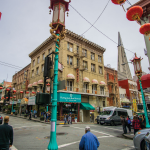
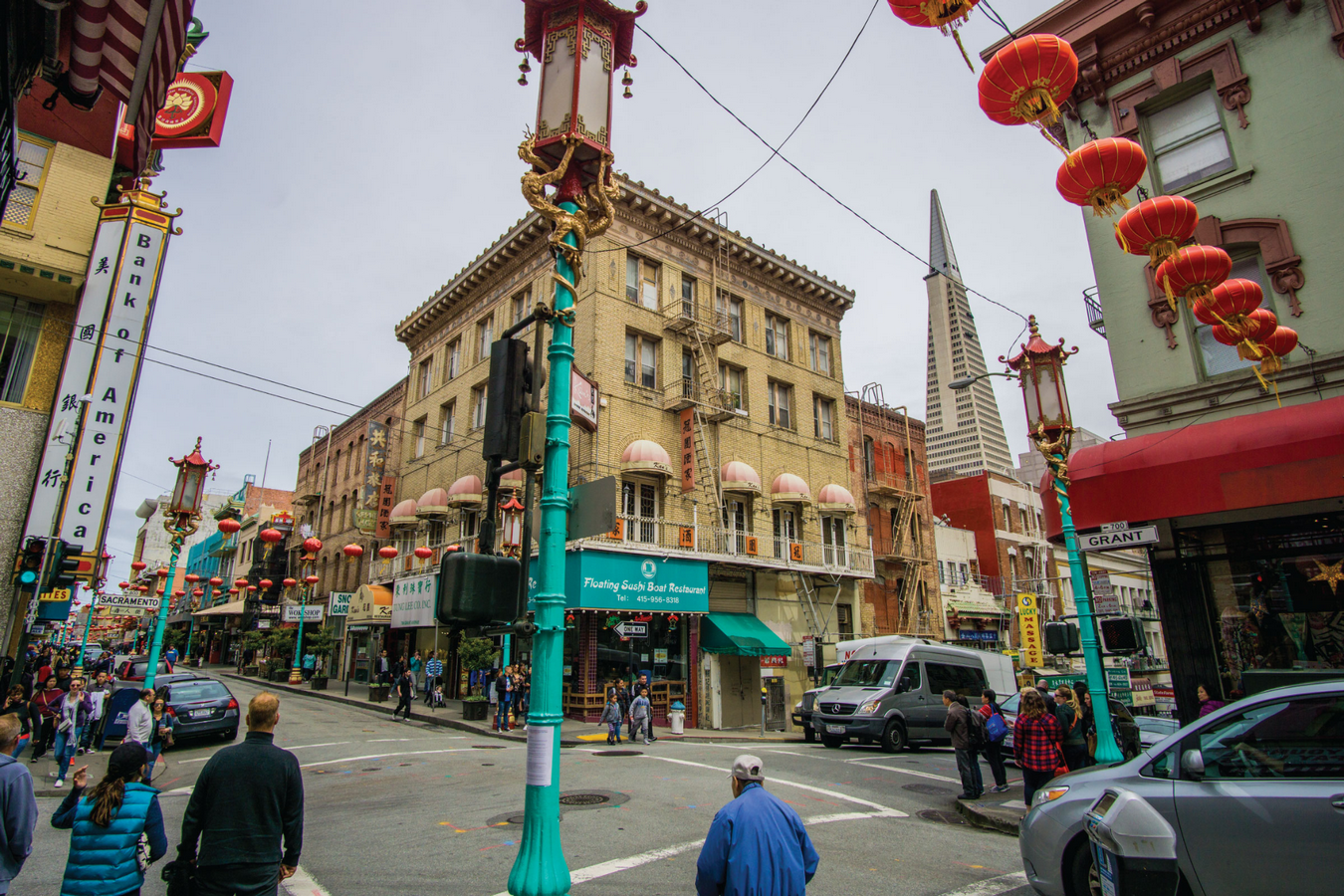
Chinatown in San Francisco is a neighbourhood where history, culture and community remain deeply intertwined. The bustling streets, traditional architectural details and vibrant storefronts reflected the enduring presence of Chinese heritage within the modern city. I learned about the history of how Chinese immigrants arrived during the California Gold Rush in search of opportunity, and had faced discrimination and exclusion. Despite these challenges, the community has persevered through strong family networks and benevolent associations that continued to support residents. The architecture blended Chinese-inspired motifs with American urban forms, a legacy of efforts to preserve the neighbourhood after the 1906 earthquake. The ornate façades and decorative elements created a distinct identity that sets Chinatown apart from the surrounding city. Even today, the thriving district balanced its role as a major tourist destination with its continuing importance as a vibrant residential and cultural centre.
Architectural Evolution
The architecture of San Francisco reflected the city’s remarkable history and constant evolution. As I walked through its streets, I observed traces of the Gold Rush era in preserved historic buildings and neighbourhoods, while the legacy of the 1906 earthquake was evident in the sturdy masonry and earthquake-resistant structures that had emerged during reconstruction. Victorian and Edwardian homes, with their ornate details and colourful façades, added charm and character to districts such as Alamo Square and Haight-Ashbury. At the same time, modern skyscrapers rose above the city, showcasing innovation, sustainability and the influence of technology. Between neighbourhoods, there was an extraordinary diversity of architectural styles, from the Spanish influences of the Mission District to the Chinese-inspired buildings of Chinatown and the elegant mansions of Pacific Heights. Together, these architectural layers created a vibrant urban landscape that continued to evolve while preserving its rich heritage.
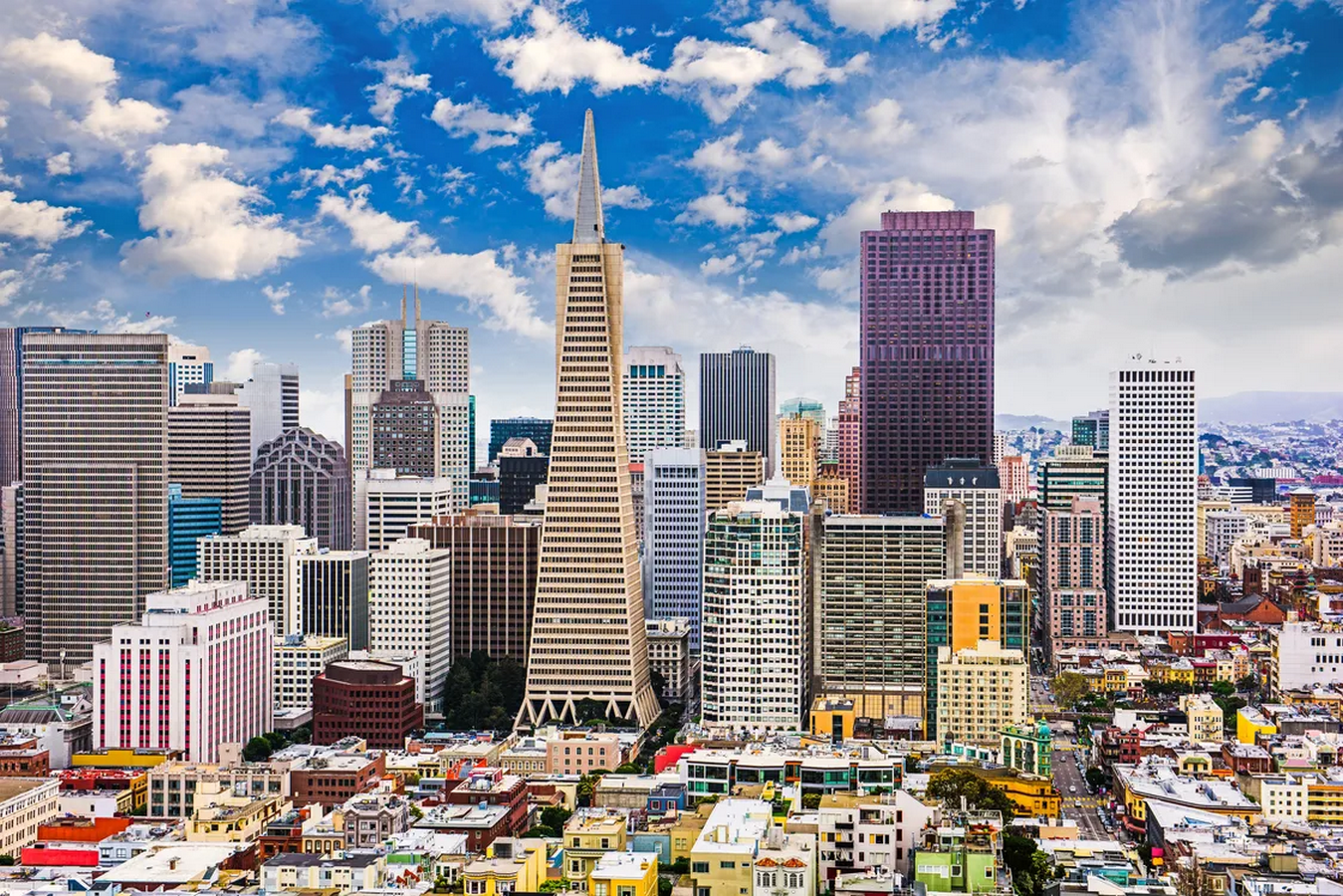
As I concluded my journey through San Francisco, I realized that the city is far more than a collection of famous landmarks. Walking from the majestic Golden Gate Bridge and historic Fort Point to the colourful Painted Ladies and the vibrant streets of Chinatown, I experienced a living archive of ambition, resilience and cultural exchange. Every neighbourhood revealed a different chapter of the city’s story, shaped by immigrants, entrepreneurs, planners and generations of residents. I noticed how historic districts, post-earthquake reconstruction and contemporary skyscrapers coexisted, creating a cityscape that honoured its past while embracing future innovation. More than just buildings, the architecture reflected the spirit of a community that had overcome challenges, celebrated diversity and adapted to change. Through this architectural journey, I gained a deeper understanding of San Francisco’s identity,a city where history, culture and progress remain inseparably woven together.
References:
Image 1_San Francisco_© https://www.architecturalrecord.com/articles/16293-the-architects-guide-to-san-francisco
Image 2_Golden Gate Bridge_© https://www.exp1.com/blog/golden-gate-bridge-history/
Image 3_Fort Point_© https://presidio.gov/explore/attractions/fort-point-national-historic-site
Image 4_Painted Ladies_© https://www.amusingplanet.com/2013/09/the-painted-ladies-of-san-francisco.html
Image 5_China Town_© https://www.sightseeingworld.com/en/chinatown-information
Image 6_Architecture of San Francisco_© https://www.california.com/iconic-sf-architecture-everyone-should-see/