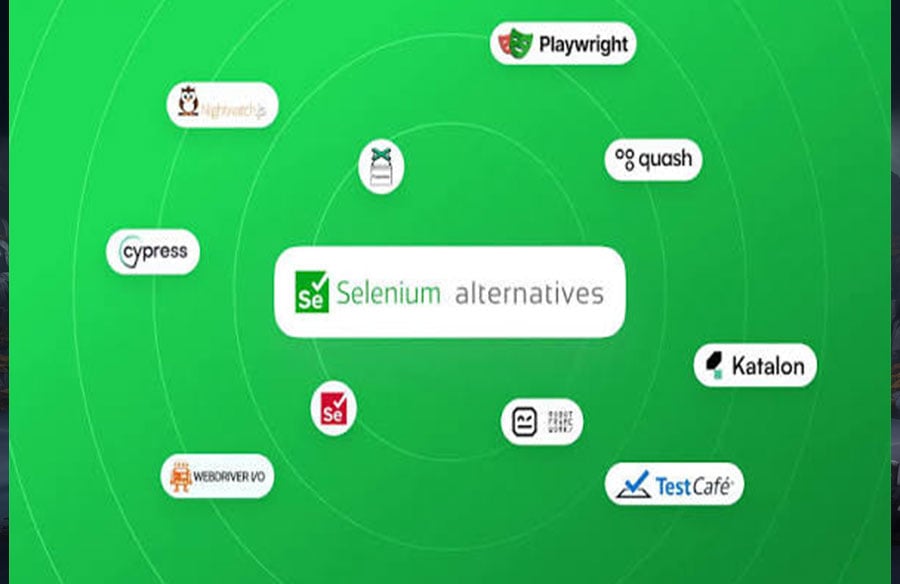
For over a decade, Selenium has been the backbone of test automation. It is reliable and open-source. But in 2026, “standard” is no longer “optimal.”
As release cycles shrink and applications become more dynamic, teams are hitting the friction points of the traditional WebDriver protocol. If your team is currently evaluating modern Selenium alternatives to solve specific flakiness issues, you aren’t just picking a new library. You are defining the scalability of your entire QA ecosystem for the next five years.
The Problem with “Default” Automation
Selenium was architected for a different era. Modern apps rely on Shadow DOMs, dynamic iframes, and rapid asynchronous updates. Selenium struggles here, leading to flaky tests—the number one productivity killer in modern QA. When a suite fails randomly due to timing issues, developers stop trusting the CI pipeline. That’s when the migration conversation must begin.
The 2026 Decision Matrix
Stop asking “what is the best tool.” Start asking “what fits our stack.”
- Playwright (The Leader): Best for scalable projects. It treats parallel execution and auto-waiting as first-class citizens.
 Cypress (The Dev Choice): Best for frontend-heavy teams. Its “time-travel” debugging reduces troubleshooting time by up to 70%.
 WebdriverIO (The Versatile Bridge): The only choice for teams that need to test both web and native mobile apps in one framework.
 The Hidden Trap: Fragmented Visibility
Even when you switch to newalternatives to selenium, you face a new, critical problem: data siloing.
During a migration, you will have legacy tests in Selenium and new tests in Playwright or Cypress. Information flow breaks. Tests run in a black box, logs are scattered, and no one knows if coverage is actually improving. Without a single source of truth, you aren’t managing a QA process; you’re managing a fragmented pile of reports.
Why Test Automation Management is Non-Negotiable
This is the moment where integratingtest automation management tools becomes critical for your migration ROI.
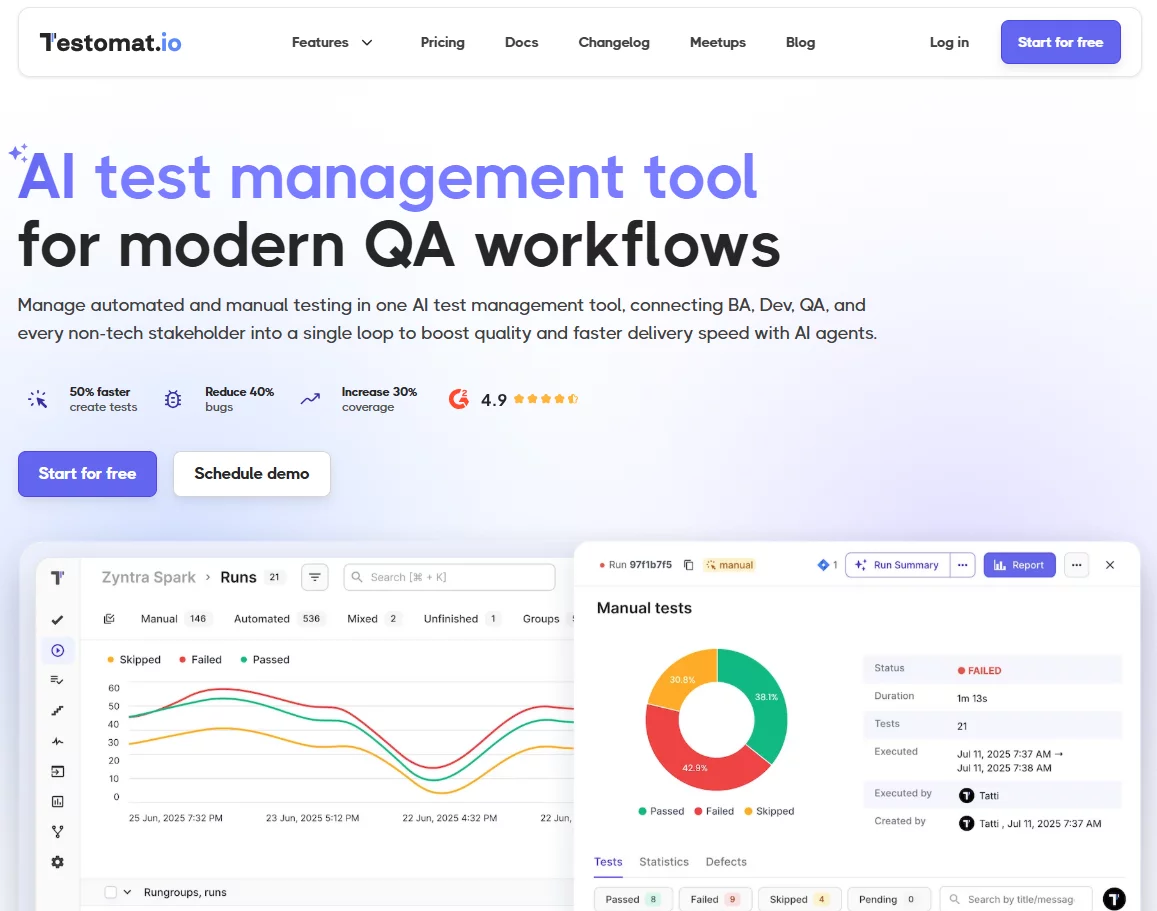
Without a management layer, you are debugging frameworks, hunting across Jenkins or GitHub Actions logs to figure out if a failure is a real bug or a legacy timeout. By using testomat.io you aggregate results from different frameworks into one unified dashboard. This gives your PMs a cohesive “Quality Score,” and gives your QA engineers a way to track flakiness across multiple frameworks in real-time, reducing “mean time to fix” (MTTF) by over 60%.
 The Zero-Risk Execution Roadmap
Do not attempt a “Big Bang” migration. It kills velocity.
- Keep the legacy suite for high-risk core modules.
- Build all new features using your chosen modern alternative.
- Implement a unified dashboard to pull results from both worlds. This allows you to report progress to stakeholders while in transition.
- Sunset the legacy code file by file, only once the new framework is battle-tested.
Final Thoughts
Stop obsessing over the framework and start obsessing over your quality outcomes. Switching frameworks improves your execution speed; managing that transition intelligently improves your business results. Teams don’t fail because Selenium is old. They fail because they outgrow their ability to manage the complexity their test suites create.