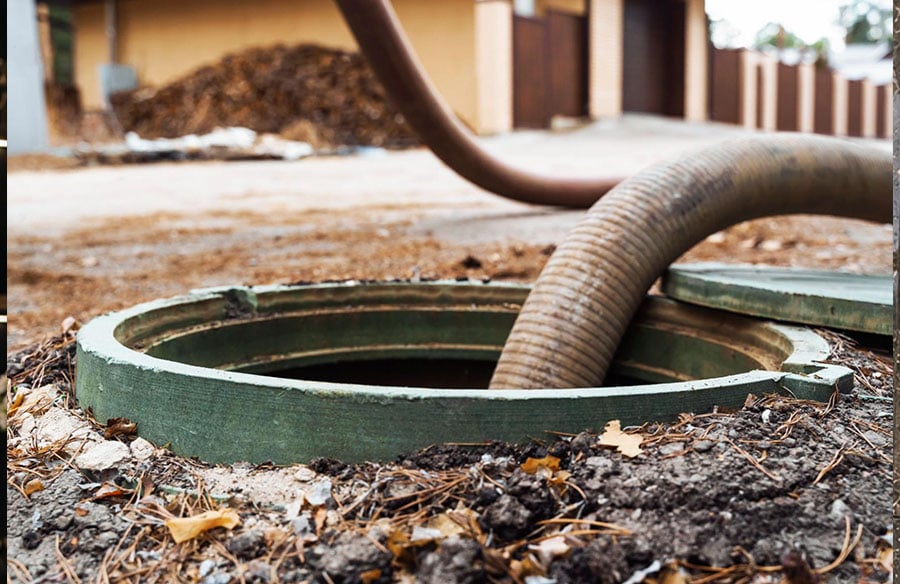
For many rural Ontario homeowners, the septic system is one of those things that works quietly in the background. You use the sinks, showers, laundry, toilets, and dishwasher every day, and if everything drains properly, it is easy to forget what is happening underground.
The problem is that a septic tank does need regular attention. If it is left too long, solids can build up, move into the drain field, clog the system, and lead to sewage backups, wet spots in the yard, odours, or expensive repairs.
So, how often should a rural homeowner schedule septic tank pumping?
For most homes, the usual guideline is every 3 to 5 years. That is a good starting point, but it is not the right answer for every property. The right schedule depends on tank size, household size, water use, the system’s age, soil conditions, and what goes down the drains.
Why septic pumping matters
A septic tank separates household wastewater into layers. Solids settle at the bottom as sludge. Grease, fats, and lighter materials rise to the top as scum. The liquid in the middle flows out toward the leaching bed or drain field, where it is filtered through the soil.
When a tank is not pumped often enough, the sludge and scum layers get too thick. Once that happens, solids can leave the tank and move into areas of the system that were never designed to handle them. This can shorten the life of the drain field and create problems that are much more costly than routine pumping.
The U.S. Environmental Protection Agency recommends that homeowners inspect their septic systems regularly and pump the tank as needed, based on household use and system conditions.
The general rule for rural Ontario homes
Many rural Ontario homes should plan for septic pumping every 3 to 5 years. A smaller household with a properly sized tank may be able to stay closer to the five-year mark. A larger family, an older system, a smaller tank, or a home with heavy water use may need service more often.
A few factors can change the schedule:
Household size
More people in the home means more wastewater, more solids, and more daily load on the tank. A family of five will usually need pumping more often than a couple living in the same size home.
Tank size
A larger tank can usually hold more sludge before it needs to be pumped. An undersized tank fills faster and should be monitored more closely.
Water usage
Frequent laundry, long showers, running toilets, high water use appliances, and heavy weekend use can all increase the load on the septic system.
Age of the system
Older systems may not have the same capacity or efficiency as newer installations. They should be inspected more often, especially if the home has changed ownership or household size.
What goes down the drain
Grease, wipes, feminine hygiene products, harsh chemicals, paint, and excessive food waste can create problems inside the tank and throughout the system.
Homeowners who are unsure when to schedule their next septic tank and pump service should consider the tank’s size, the number of people in the home, the system’s age, and any warning signs on the property.
Warning signs your septic tank may need pumping
A septic system should not be ignored until there is a backup. Most systems give warning signs before a serious failure occurs.
Some of the most common signs include:
Slow draining sinks, tubs, or showers
Gurgling sounds in plumbing fixtures
Sewage odours inside the home or outside near the tank
Wet or soft areas around the leaching bed
Toilets that flush slowly or back up
Grass that is unusually green or lush over the drain field
Standing water near the septic area
Sewage backup in lower-level fixtures
If any of these signs appear, it is best to have the system checked right away. Waiting can allow a small maintenance issue to become a much larger repair.
Why Ontario properties need extra care
Rural Ontario properties often rely on both septic systems and private wells. That makes proper wastewater management especially important. A neglected or failing septic system can create risks for the surrounding soil, groundwater, and nearby water sources.
Health Canada provides guidance on drinking water quality, and rural homeowners with private wells should be especially careful about anything that could affect groundwater.
Ontario septic systems are also subject to rules under the Ontario Building Code, which includes requirements for sewage systems. Homeowners do not need to become code experts, but they should understand that septic systems are regulated for a reason. Poor installation, lack of maintenance, or improper repairs can create real property and environmental issues.
What happens if you wait too long?
Putting off septic pumping can cost much more than regular maintenance.
If the tank becomes too full, solids can enter the drain field. Once the drain field is clogged, pumping the tank may not solve the problem. The system may require repairs, replacement components, or in serious cases, a new leaching bed.
Other possible problems include:
Sewage backing up into the home
Strong odours around the property
Contaminated standing water
Damage to landscaping or yard areas
Reduced system lifespan
Difficulty selling the property later
Higher repair or replacement costs
A septic tank is much easier to maintain than it is to repair after failure.
How homeowners can help protect the system
Regular pumping is important, but daily habits also make a difference.
Homeowners should avoid flushing wipes, even if the package says flushable. Grease and cooking oil should not be poured down the drain. Harsh chemicals, solvents, paint, and large amounts of antibacterial cleaners can interfere with the bacteria that help break down waste in the tank.
Water use should also be spread out when possible. Doing many loads of laundry in one day can send a large amount of water into the system at once. Fixing leaking toilets and taps is also important because constant water flow can overload the tank and drain field.
Vehicles, heavy equipment, sheds, and patios should be kept off the septic tank and leaching bed area. Compacted soil and damaged pipes can affect system performance.
Keep records of pumping and inspections
Every rural homeowner should keep a simple septic file. It should include the locations of the tank and the leaching bed, pumping dates, inspection notes, repairs, and contractor information.
This is helpful for regular maintenance and can also be useful when selling the property. A well-documented septic history gives buyers more confidence and shows that the system has been properly maintained.
The best schedule is based on your property
The 3- to 5-year guideline is a good place to start, but the best schedule depends on the actual conditions at the property. A professional can measure sludge and scum levels, inspect the tank, look for early signs of trouble, and recommend a pumping interval that fits the home.
For rural Ontario homeowners, septic maintenance is not just another chore. It is part of protecting the house, yard, water supply, and the property’s long-term value.
If the tank has not been pumped in several years, if the home has more people using the system than before, or if there are any signs of slow drains or odours, it is time to have the system checked.