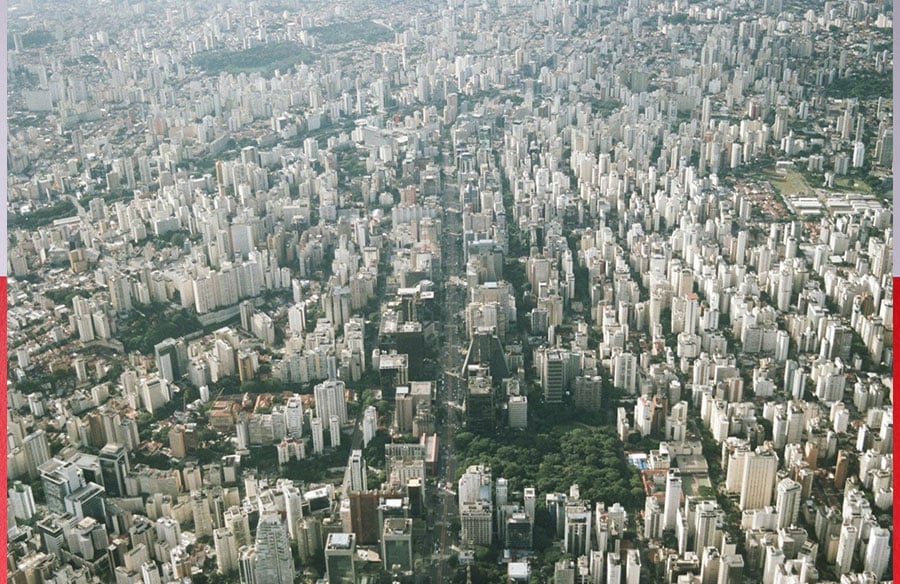
Many people choose cities because of famous monuments. They travel to see towers, castles, cathedrals, museums, and old landmarks. These places are important, but they are not the only reason to visit a city. Some cities are worth exploring because of how they work.
Urbanism is about streets, housing, transport, public spaces, parks, walking routes, neighborhoods, and daily life. A city with good urbanism makes people want to walk, sit, meet, cycle, shop, and stay longer. It is not just beautiful in photos. It feels good to use.
For travelers, architects, planners, and design lovers, visiting a city through its urbanism can be more interesting than chasing monuments. Moving between districts also becomes part of the experience. For group study tours, architecture trips, university visits, or professional travel, 8rental company can be a practical transport option, offering minibuses, and coaches for groups that want to explore several neighborhoods, not just one central landmark.
1. Copenhagen, Denmark
Copenhagen is one of the best cities to study human-centered urbanism. Its streets are designed for people, not only for cars. Cycling is part of normal life, and bike lanes are safe, wide, and well connected.
The city also shows how public space can support daily life. Waterfront areas, bridges, parks, food halls, and mixed-use neighborhoods make Copenhagen feel open and active. Places like Nordhavn and Ørestad show modern urban development, while older streets show how historic areas can still work for today’s needs.
Copenhagen is worth visiting because it proves that a city can be practical, green, and enjoyable at the same time.
2. Amsterdam, Netherlands
Amsterdam is famous for canals, but its real lesson is urban balance. The city manages walking, cycling, public transport, housing, tourism, and local life in a very limited space.
Its narrow streets and compact blocks create a strong sense of place. Shops, homes, cafés, schools, and workplaces are close together. This makes the city feel alive at many times of day.
Amsterdam also teaches an important lesson about scale. Many streets feel personal and human, even in a major European capital. The city is not only something to look at. It is something to move through slowly.
3. Barcelona, Spain
Barcelona is a classic city for urban design, not only because of its architecture but because of its street grid. The Eixample district, with its octagonal blocks and wide avenues, is one of the most studied urban forms in the world.
Today, Barcelona is also known for its “superblocks,” where traffic is reduced and streets are returned to people. These areas create more space for walking, seating, children, trees, and local activity.
The city shows how old planning ideas can be updated for modern problems such as traffic, air quality, and public health.
4. Freiburg, Germany
Freiburg is a strong example of sustainable urbanism. It is often discussed for its environmental planning, public transport, cycling culture, and energy-conscious neighborhoods.
The Vauban district is especially interesting for planners and architects. It focuses on low-car living, energy-efficient housing, green space, and community design. Streets are calm, children can move more freely, and public transport connects the area to the rest of the city.
Freiburg is not as large or famous as many European destinations, but that is part of its value. It shows how mid-sized cities can lead in sustainable living.
5. Vienna, Austria
Vienna is often praised for quality of life, and much of that comes from urban planning. The city has strong public transport, generous housing policies, parks, cultural spaces, and walkable neighborhoods.
One of Vienna’s biggest urban lessons is social housing. The city has a long history of providing well-designed housing as part of public life, not as something hidden at the edges.
Vienna also balances beauty and function. Grand streets and public buildings are impressive, but the deeper value is how the city supports everyday life for residents.
6. Rotterdam, Netherlands
Rotterdam offers a different kind of urban lesson. Unlike Amsterdam, it is modern, experimental, and constantly changing. After heavy destruction during World War II, the city rebuilt itself with bold planning and architecture.
Its urbanism is visible in wide streets, port areas, bridges, mixed-use developments, and public spaces. Rotterdam is a city of adaptation. It also offers lessons in climate resilience, water management, and reuse of industrial land.
For visitors interested in contemporary design, Rotterdam is a city to study rather than simply visit.
7. Ljubljana, Slovenia
Ljubljana is a smaller capital with a strong urban identity. Its center has been transformed into a more pedestrian-friendly place, with car traffic reduced in key areas.
The result is a calm and pleasant city core where walking, cycling, outdoor cafés, and public life feel natural. The riverfront is especially important, acting as a social and spatial spine through the city.
Ljubljana shows that urban improvement does not always need giant projects. Careful changes, good public space, and people-first streets can make a city feel much more livable.
8. Portland, Oregon, USA
Portland is often discussed in urban planning for its neighborhoods, transit ideas, cycling culture, and urban growth boundary. The city has worked to limit sprawl and encourage denser development.
Its neighborhoods show the value of local identity. Many areas have walkable streets, small businesses, food culture, parks, and community spaces. Portland also shows both the strengths and challenges of progressive urban planning.
It is worth visiting because it raises real questions about affordability, growth, transport, and how cities can change without losing their character.
9. Singapore
Singapore is one of the most interesting cities for high-density urbanism. It combines public housing, public transport, green space, water management, and long-term planning in a very organized way.
The city shows how density does not have to mean chaos. Housing estates, metro stations, parks, food centers, and public services are planned as connected systems.
Singapore is also useful for studying urban greenery. From shaded streets to vertical gardens and park connectors, the city treats landscape as part of infrastructure, not just decoration.
10. Bogotá, Colombia
Bogotá is a powerful example of transport-led urban change. Its bus rapid transit system, cycling routes, public spaces, and street programs have influenced planners around the world.
The city is not perfect, and that is why it is important. Bogotá shows how urbanism can be used to solve difficult problems in growing cities. It also shows that good ideas do not only come from wealthy countries.
Its public space projects and mobility strategies make it a valuable case study for anyone interested in social urbanism.
Monuments can tell us what a city was. Urbanism tells us how a city lives.
Traveling for urbanism changes the way we see places. Instead of only asking, “What should I photograph?” we begin to ask better questions. How do people move? Where do they meet? Is the street comfortable? Can children walk safely? Does public transport work? Are parks close to homes? Does the city feel open to everyone?
Cities like Copenhagen, Amsterdam, Barcelona, Freiburg, Vienna, Rotterdam, Ljubljana, Portland, Singapore, and Bogotá are worth visiting because they offer lessons in daily life. Their value is not only in famous views, but in streets, systems, neighborhoods, and choices that shape how people live.
For architects, planners, students, and curious travelers, these cities prove that the best urban experiences are often found between the monuments.