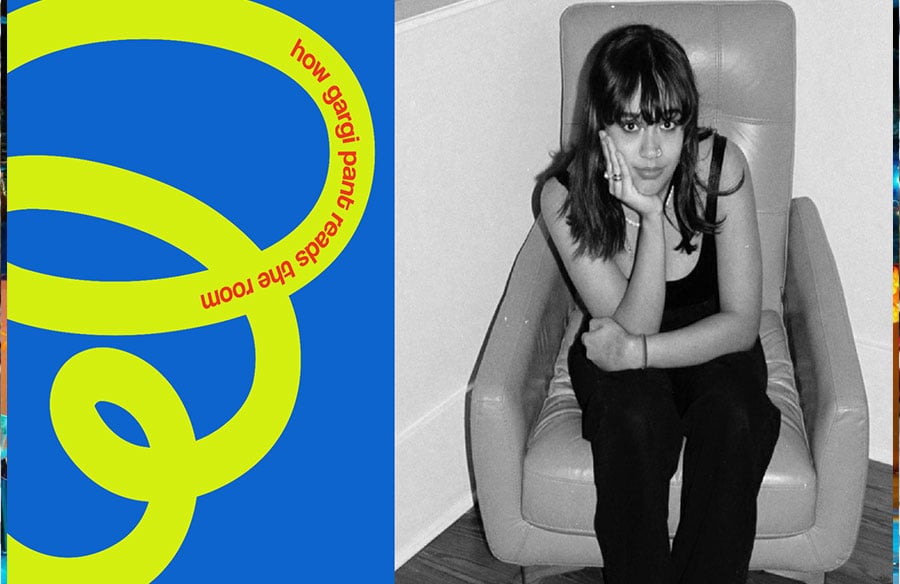
Designers are often described as creators. They build brands, products, campaigns, websites, and experiences. For multidisciplinary designer Gargi Pant, however, the most important part of the process begins long before anything takes shape.
At the center of her work is a principle that has guided her across disciplines, industries, and teams: design is an act of translation.
“Whether I’m designing a brand system, a product experience, or a campaign, the work always starts the same way,” says Pant. “It’s about understanding one language and translating it into a visual experience.”
A graduate of the Savannah College of Art and Design (SCAD), where she earned a B.F.A. in User Experience Design with a minor in Graphic Design, Pant was introduced to a way of thinking that continues to shape her practice today. UX is frequently associated with interfaces and usability, but the lessons that stayed with her ran deeper: observation, empathy, and a genuine understanding of people before any solution is proposed. Research, behavior, motivations, and needs form the foundation of that process, from which the designer turns insight into something tangible: a visual identity, a product feature, or a fully realized experience.
Over the years, that mindset has accompanied her through agency, brand, and technology environments, including work with Saatchi & Saatchi, Anomaly, Voltage, Google, Crocs, Meta, Vans, Yoplait, The Chosen, RoC, and Milani. Across those varied industries, Pant noticed a recurring challenge: different teams often operate in entirely different languages. Business leaders focus on growth, objectives, and strategy. Product teams think in terms of functionality and constraints. Consumers communicate through behavior rather than words. Brands express themselves through stories, visuals, and emotion. The designer occupies the space where those perspectives meet, with aesthetics and strategy working in concert, every visual decision serving a larger purpose of helping people understand, navigate, trust, or connect with an idea.
That dynamic became especially clear during her time at Crocs, where she worked in trend forecasting and color strategy. Her days were spent analyzing cultural shifts, emerging aesthetics, consumer behavior, and market signals in search of patterns that could shape future product direction. Pant helped transform broad cultural movements into creative direction for Crocs’ global product lines, converting research into frameworks that designers, merchandisers, and product teams could rally around, observations that evolved into color palettes, product opportunities, and creative strategies reaching audiences around the world.
“Trend research becomes valuable when people can actually use it,” she says. “You’re taking something abstract and helping others see where it can go.”
A different expression of that same instinct emerged during her work at Voltage, an award-winning design agency based in Denver. Collaborating on projects for The Chosen, one of the world’s most successful crowdfunded media franchises, Pant worked with an entirely different kind of source material. The challenge centered on carrying a story into new experiences: through digital touchpoints and brand activations, preserving the emotional depth and values of the franchise while creating meaningful opportunities for audiences to engage with it.
“In both situations you’re trying to create understanding,” Pant says. “The medium changes, but the intention stays the same.”
As creative industries continue to evolve through emerging technologies and AI-powered tools, Pant believes the designer’s role will increasingly center on interpretation. Technology can accelerate execution, generate options, and automate workflows, and yet meaningful design still depends on navigating ambiguity, reading context, and connecting ideas across disciplines.
“The future of design isn’t about making more things,” she says. “It’s about helping people make sense of increasingly complex ones.”
Creating is only part of the process. The deeper responsibility is translation.
Maya Reynolds is a freelance writer covering design, branding, technology, and creative leadership. She enjoys exploring how thoughtful design influences the way people interact with products, businesses, and everyday experiences.