Windows are easy to ignore until they start letting you down. Drafts, fogged glass, and creeping energy bills arrive so gradually that many homeowners never quite notice the moment their windows stopped doing their job.
Homeowners weighing an upgrade need to know what to look for. Specialists in replacement windows in exeter nh, and regional experts like them, see the same warning signs again and again. Here is how to tell when it is genuinely time to replace your windows.
Why Do Windows Wear Out Over Time?
Because every part of a window is under constant stress from weather and use. Even well-made units have a finite lifespan, typically 15 to 20 years.
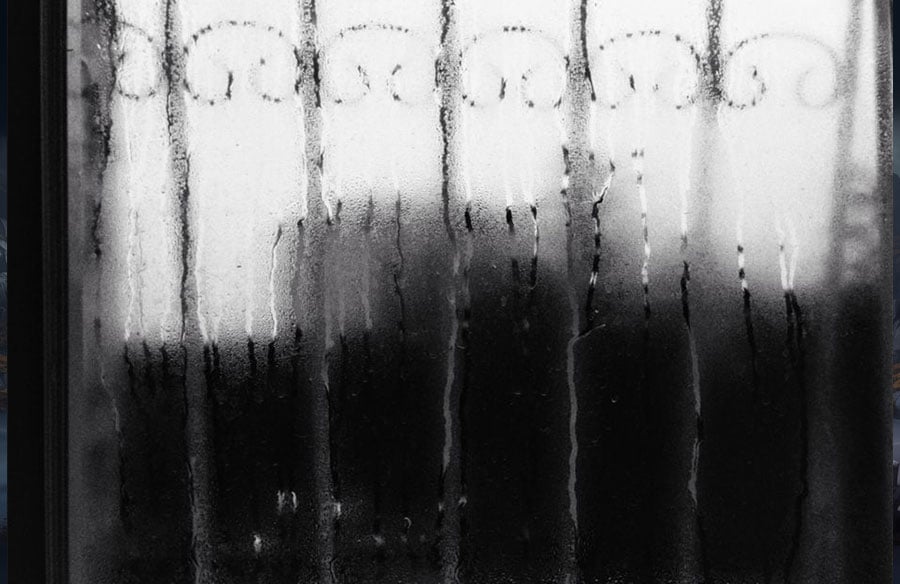
Seals are usually first to go. The airtight seal around an insulated glass unit breaks down with temperature swings, which is what lets moisture creep between the panes.
Frames and hardware age too. Wood can rot or warp, vinyl can become brittle, and decades of opening and closing wear out the moving parts. The result is a window that no longer seals, insulates, or operates as it should.
So decline is not a fault but a certainty. The question is never whether windows will need replacing, only when that moment arrives. Catching it early, before a failing window damages the surrounding wall, keeps the eventual job smaller and cheaper.
What Are the Signs You Need New Windows?
A handful of clear symptoms that tend to appear together. Spotting them early prevents wasted energy and bigger problems. Watch for these:
- Drafts. A noticeable chill near closed windows in winter.
- Condensation. Moisture or fog trapped between the panes.
- Difficult operation. Windows that stick, jam, or will not stay open.
- Rising bills. Heating and cooling costs climbing year on year.
- Visible damage. Rot, cracks, or warping in the frame.
Each sign points to a window that has lost its seal or structure. One alone may be fixable, but several together usually signal that replacement is due.
The fogging sign is the clearest. Once moisture sits between the panes, the insulating seal has failed for good and no cleaning will bring it back.
Should You Repair or Replace Them?
It depends on the age, the extent of the problem, and the window’s quality. Not every fault demands a full replacement.
Minor issues often justify a repair. A broken latch, worn weatherstripping, or a cracked pane on an otherwise sound, modern window is usually worth fixing rather than replacing the whole unit.
Bigger problems tip the balance the other way. Failed seals, rotten frames, or single-pane windows in an older home rarely repay repair, and upgrading to modern window types brings comfort and efficiency a patch never will. A more sustainable design often starts at the window line.
So the rule of thumb is simple. Repair small faults on good windows, and replace failing ones, especially when energy loss is involved.
What Do Replacement Windows Cost and Save?
More upfront than a repair, but with returns that build over years. The decision is part comfort, part long-term math. The numbers below set expectations:
- Quality replacement windows last 20 years or more.
- Windows can drive 25 to 30 percent of heating loss.
- Expect energy savings of up to 15 percent on bills.
- Budget for at least 1 professional assessment first.
- Replacement often returns 1 of the better home-improvement ROIs.
Those figures show the payback is real, if gradual. The table below frames the trade-off.
| Factor | What to Weigh |
| Upfront cost | Higher than a repair, but one-time |
| Energy savings | Lower bills every month after |
| Comfort | Fewer drafts and more even temperatures |
| Home value | Updated windows aid resale and curb appeal |
| Maintenance | Modern frames need far less upkeep |
 Each row tilts the long-term case toward replacement when windows are truly failing. Checking the performance ratings before you buy ensures the savings are real, and treating it as a considered home upgrade keeps the whole project on track.
Before You Replace
- Windows typically last 15 to 20 years before failing.
- Drafts, fogging, and sticking are key warning signs.
- Repair minor faults; replace failed seals and rotten frames.
- Replacement cuts energy bills and boosts comfort over time.
- Check performance ratings and use a professional assessment.
Making the Right Call
Replacing windows is rarely urgent until suddenly it is, so it pays to read the signs early. Watch for drafts, fogging, and rising bills, weigh repair against replacement honestly, and focus on energy performance when you do upgrade. A timely replacement, properly chosen and fitted, rewards you with a quieter, warmer, cheaper-to-run home for decades. Knowing when to act is half the battle.
Frequently Asked Questions
How Long Do Windows Usually Last?
Most quality windows last around 15 to 20 years, though this varies with material, climate, and maintenance. Vinyl and fiberglass tend to be durable, while older wood windows may need attention sooner. Harsh climates with big temperature swings tend to shorten that lifespan. Once a window passes the two-decade mark or shows seal failure, replacement is usually the wiser investment.
Is Condensation Between Panes a Sign to Replace?
Yes, almost always. Fog or moisture trapped between the panes means the insulated glass seal has failed, and that cannot be repaired. The window has lost much of its insulating value. While not an emergency, it is a clear signal that the unit is due for replacement.
Are Replacement Windows Worth the Cost?
For failing windows, usually yes. They lower energy bills, improve comfort, cut outside noise, and boost a home’s value and curb appeal. The upfront cost is significant, but the savings and benefits accumulate over the window’s long life. It consistently ranks among the better-value home improvements.
Can I Replace Just One Window?
Yes, you can replace a single failed window, and it sometimes makes sense after damage. However, if several windows are the same age and showing wear, replacing them together is often more cost-effective and gives a consistent look and performance across the home. Many installers also offer a better per-unit price on a larger order.