
In too many projects, heating and cooling is the last thing anyone thinks about. The architecture is resolved, the interiors are chosen, and only then does someone ask where the ducts will go. By that point, the best opportunities are already lost.
Treating climate control as part of the design, rather than a bolt-on, changes the outcome entirely. Even the work of a local specialist like Origin Heating & Air, a California HVAC contractor, goes further when a building is designed with comfort in mind. This piece makes the case for planning it early.
Why Is HVAC a Design Decision, Not an Afterthought?
Because the building itself determines how hard the system must work. Orientation, glazing, insulation, and layout set the heating and cooling load before a single unit is specified. Design with that in mind, and the equipment gets smaller, cheaper, and quieter.
Ignore it, and the opposite happens. A glass-heavy facade with poor shading bakes in summer and bleeds heat in winter, forcing an oversized system to fight the architecture rather than work with it. The occupants pay for that mismatch forever.
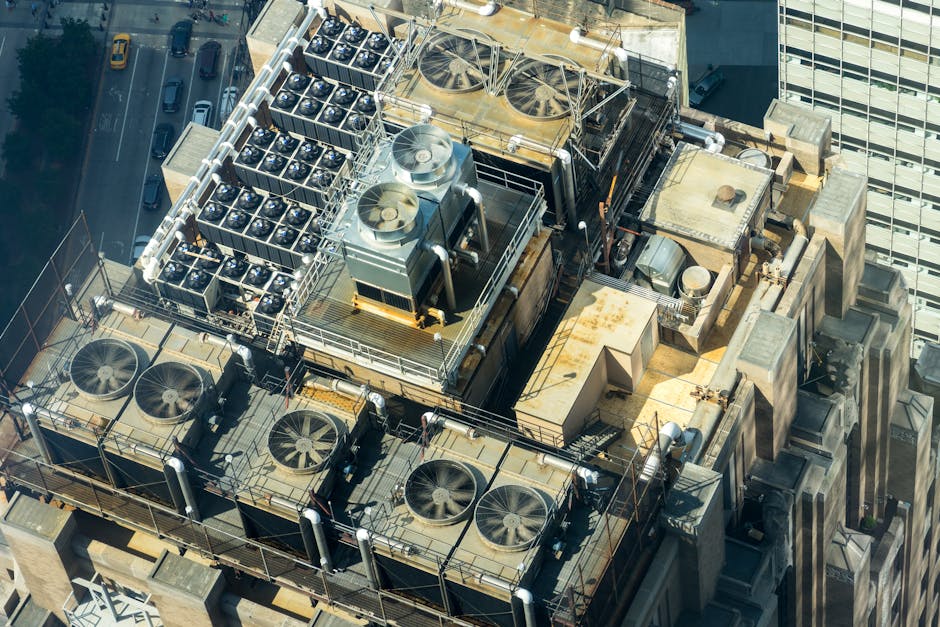
The aesthetic cost is real too. When HVAC is an afterthought, ducts and units get shoehorned into ceilings and corners, compromising the clean lines the design promised. Planned early, they disappear into the building gracefully.
This is why mechanical thinking belongs alongside the early sketches. The same rigour that goes into great architecture should extend to how a space stays comfortable, because comfort is part of how a building is experienced.
How Does Good Design Improve Comfort and Efficiency?
By reducing the work the system has to do in the first place. A well-designed building is half the battle won before any equipment runs. The key moves are:
- Orientation. Position the building to manage sun and prevailing wind.
- Glazing and shading. Let in winter light, keep out summer heat.
- Insulation and air-sealing. Slow the heat moving in or out.
- Zoning. Condition spaces by use, not all at once.
- Right-sizing. Match the system to the real, reduced load.
Each move compounds with the others. Get the envelope right, and a smaller, more efficient system delivers better comfort than an oversized one ever could.
Controls finish the job. Pairing a well-designed building with programmable thermostats lets occupants tune comfort precisely, capturing savings that a poorly planned system simply cannot.
What Role Does HVAC Play In Sustainable Buildings?
A central one, because comfort is where most building energy goes. You cannot design a genuinely sustainable building while treating its largest energy load as an afterthought. The numbers are stark:
- Heating and cooling can be nearly 50 percent of a building’s energy use.
- Smart glazing and shading can cut cooling loads by 20 to 30 percent.
- A heat pump can be 3 to 4 times more efficient than resistance heat.
- Right-sizing avoids the oversizing that plagues many installations.
Those efficiencies start in the design phase, not the mechanical room. A building designed to need less conditioning is the foundation of every low-energy strategy.
Modern equipment then amplifies the gains. Efficient technologies, from heat pumps to heat pump water heaters, let a well-designed building run on a fraction of the energy an older approach demanded. Design and equipment work together.
How Should Architects and Owners Plan HVAC?
Early, collaboratively, and as part of the whole. The table below frames the priorities for getting it right.
| Priority | Why It Matters |
| Involve engineers early | Mechanical input shapes better architecture |
| Design the envelope first | A tight building shrinks the system needed |
| Plan for the equipment | Space and routing keep the design clean |
| Specify efficient systems | Heat pumps and controls cut running costs |
| Design for zoning | Conditioning by use saves energy daily |
 Each priority reflects the same idea: HVAC and architecture are one problem, not two. The projects that treat them together deliver buildings that are comfortable, efficient, and visually intact.
The thread running through it all is intent. Just as the best design choices are made deliberately and early, so is great climate control. A contractor can install a system beautifully, but only design can make that system small, quiet, and rarely strained.
Designing for Comfort
- The building’s design sets the heating and cooling load it must meet.
- Poorly planned HVAC harms comfort, efficiency, and clean architecture.
- Envelope, orientation, and zoning reduce the system size needed.
- Heating and cooling are about half of most buildings’ energy use.
- Plan HVAC early, with engineers, as part of the whole design.
Building Comfort In From the Start
The most comfortable, efficient buildings are not the ones with the biggest mechanical systems. They are the ones designed so the systems barely have to work. By treating heating and cooling as a design decision from the first sketch, architects and owners get buildings that feel effortless to be in and cost far less to run. Comfort, like good design, is best built in from the very beginning, not added at the end.
Frequently Asked Questions
Why Should HVAC Be Considered During Design?
Because the building’s orientation, glazing, insulation, and layout determine how much heating and cooling it needs. Planning HVAC during design lets architects reduce that load, right-size the equipment, and integrate ducts and units cleanly. Leaving it to the end forces costly, oversized systems and compromises the architecture.
Does Building Design Really Affect Energy Bills?
Significantly. Heating and cooling are roughly half of most buildings’ energy use, and good design directly reduces that demand. Orientation, shading, insulation, and zoning can cut the load well before any equipment runs, so a thoughtfully designed building costs far less to keep comfortable year after year.
What Makes an HVAC System Efficient?
Efficiency comes from two things working together: a well-designed building that needs less conditioning, and modern equipment like heat pumps paired with smart controls. Right-sizing matters too, since an oversized system cycles inefficiently. The building and the system should be planned as one to reach the best performance.
Should Architects Work With HVAC Contractors?
Yes, ideally from early in the project. Bringing mechanical expertise into the design phase leads to better architecture and a more efficient, better-integrated system. A contractor installs and services the equipment, but their input during design helps the building and its systems work together rather than against each other.