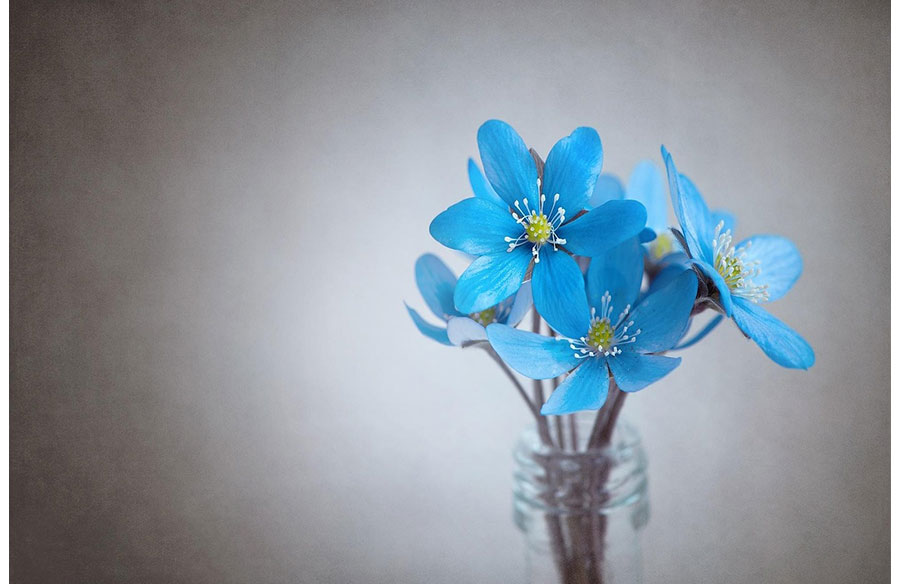
Biophilic design is more than just a niche architectural idea in settings like workplaces, hospitality, and similar spaces. The principle that people work and feel their best when their environment mimics the natural world is gaining traction. Light, wood, water, greenery, and natural textures all play a key role. Flowers are also an essential part of the conversation, but they are often treated as decoration rather than a design element. On-demand floral services are changing how teams think about biophilic design.
How On-Demand Flowers Work
Biophilic strategies lean on more permanent features such as living walls, aquatic plants, and natural materials. These living ornaments are installed and maintained on a schedule. On-demand flowers work differently. They function as a reshapable layer that can shift with the following factors:
- Season: As seasons change, the arrangements can follow accordingly, creating a sense of change and continuity.
- Events: Flower arrangements can set the tone for events and contribute to the tone and theme
- Mood: Subtle colours and patterns provided by floral arrangements can create an ambience and mood suitable for the space.
A reception desk can carry one arrangement in the spring and then switch to something entirely different in the autumn. A lobby can match its flower theme to a holiday or private event without having to commit to anything permanent. Flowers are a recurring service rather than a fixed asset, just like the living moss wall.
This gives teams and other facilities the flexibility to adjust things like:
- Color: Colours can be used creatively to send signals or contribute to an event, for example, as an expression of condolence, flower arrangements in the building could briefly turn black.
- Scale: In hybrid work environments, it’s possible to scale up the arrangements during periods when more people come into the office.
- Placement: In different seasons, certain places might become more or less viable, for instance, in the winter, certain corridors might be too cold and damp for plants to last long, but in the summer, they might thrive in the same spot.
This is not something easily done when you have semi-permanently installed
Greenery. But with arrangements, you can easily mix, match, and swap the plants based on all kinds of criteria. Companies offering on-demand floral services make this kind of flexibility possible, allowing businesses and individuals to order birthday flowers online while maintaining a consistent flow of fresh arrangements throughout the year.
The Documented Benefits
In addition to the psychological basis, the benefits of natural elements like Flowers, plants, and moss are well documented. In scientific research, contact. These elements are associated with the following:
- Lower stress markers
- Improved attention
- Better mood
Adding trendy flowers introduces colour and fragrance into the workplace, and a fresh arrangement signals a visible, meaningful change that the brain registers, consciously or subconsciously, as evidence of a cared-for environment. Frequently rotating blooms support what designers call micro-restoration, the brief mental resets that happen during an ordinary workday and improve productivity and wellness.
Live Plants vs. Cut Stems
There is a real trade-off worth weighing. Live plants offer longer-term value and contribute to air quality while creating more of a sense of permanence. But They also demand the following:
– Consistent watering
– Light management
– Pest control
When plants are neglected and poorly cared for, they send the opposite message that biophilic design intends. Cut stems, on the other hand, have no long-term maintenance burden and offer maximum flexibility, but they are temporary and need regular replacement to stay fresh.
Most spaces take a hybrid approach, combining permanent greenery as a foundations that on-demand floral arrangements then embellish.
Allergy Considerations
The most common objection to flowers in the workplace is allergies. Pollen sensitivity varies, but many of the most popular on-demand flowers are low-pollen, such as:
- Orchids
- Hydrangeas
- Peonies
- Roses
These tend to produce much less airborne pollen than plants like lilies. Florists can also remove pollen-heavy anthers on request for shared environments. Try to pick low-pollen flowers and place them away from direct airflow.
Consider On-Demand Flowers
Biophilic design is most effective when it remains dynamic rather than static. While permanent features such as living walls, indoor plants, and natural materials are lower maintenance, on-demand floral services add a level of flexibility. By adapting to the time and place, floral arrangements help keep spaces visually engaging and connected to nature. Combined with the documented benefits of natural elements, including improved mood, reduced stress, and better focus.