Behind the project
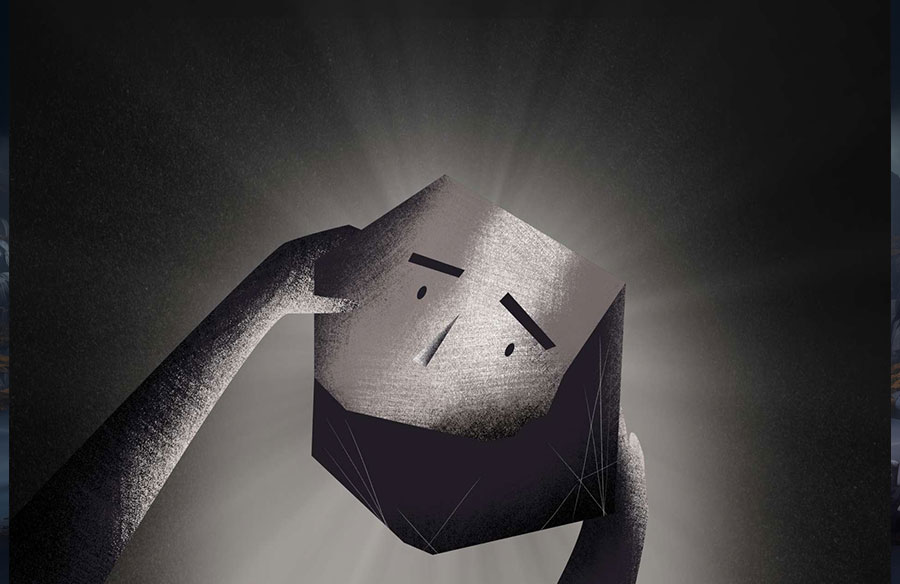
Motion Designer Tzuyu Tung’s personal short, Pieces of Me, is a compact yet striking exploration of identity rendered through motion. Conceived as a visual essay rather than a conventional narrative, the film leans on carefully composed frames and purposeful movement to convey the emotional through the aesthetic. The piece’s treatment and styleframes — examples of which are shown above — establish a tone that guides every animated decision.
From the earliest sketches to polished styleframes, Tung focused on clarity of form and emotional resonance. Each styleframe served as a testing ground for color, texture, and composition, allowing choices to be evaluated before animation began. The result is a consistent visual language that supports the film’s central ideas while remaining flexible enough for iterative refinement.
 Building the visual language
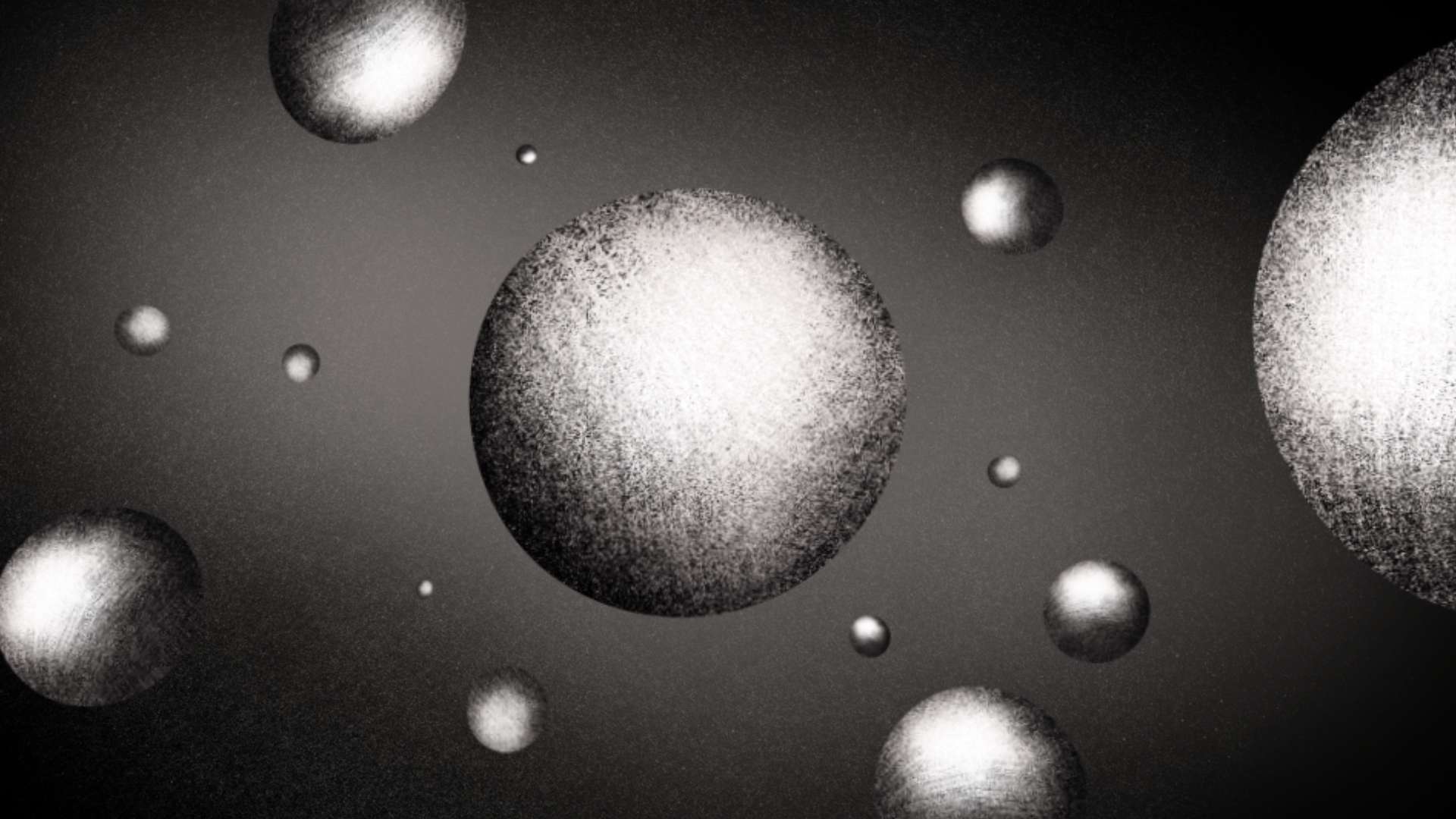
At the heart of Pieces of Me is a deliberate pairing of composition and motion. Tung used styleframes to lock down the framing and key visual motifs early, then translated those static decisions into motion studies. By doing so, the animations preserve the emotional weight of each frame while introducing cadence and rhythm that carry the viewer through the short.
Texture and color are treated as narrative devices rather than mere decoration. Subtle shifts in palette and layered textures amplify changes in mood without overwhelming the viewer. These layered choices make the animation feel cohesive: every movement, pause, and transition ties back to the film’s central visual thesis.
Process and craft
The workflow for a piece like Pieces of Me is inherently iterative. Tung’s process emphasizes rapid prototyping — from rough sketches and storyboards to refined styleframes and motion tests — with each stage informing the next. This approach reduces risk in the animation phase and ensures the final motion retains the intent established in early visuals.
Technical choices are guided by storytelling needs. Whether simplifying a silhouette for clearer readability or introducing a moment of slow, deliberate motion to allow an emotional beat to land, every decision is made to serve the piece’s expressive goals. For a motion designer, those decisions are where craft and narrative meet.
What the piece aims to do
Pieces of Me is positioned as a personal work that uses motion design’s strengths — timing, pacing, and visual metaphor — to reflect on fragments of experience. Tung’s approach demonstrates how a short can be both formally rigorous and emotionally immediate: the styleframes and animated sequences work in tandem to invite viewers into a compact but resonant world.
For emerging and established motion designers alike, the short offers a reminder: strong visuals begin with disciplined choices. Styleframes are more than pretty images; they are decision documents that set the course for animation, and when used thoughtfully they can elevate a personal idea into a cohesive film.