Most businesses ask for a number first. Fair enough. A practical commercial range for an LED video wall can start around $6,000 to $10,000 for smaller indoor projects, then climb past $50,000 for larger, outdoor, fine-pitch, or custom installations.
That gap can feel confusing at first, but it makes sense once you look beyond the screen itself. Behind the image, there is a complete working system: panels, video processing, power components, mounting hardware, cabling, configuration, and sometimes professional installation.
Put two screens side by side on a quote, and they may seem similar. In a real space, though, they can perform very differently. A church, retail store, hotel lobby, university auditorium, or broadcast studio may need a different balance of resolution, brightness, refresh rate, viewing distance, structure, and support. The better question is not “What is the cheapest option?” but “What does this space need to work well every day?”
So, How Much Does an LED Screen Cost?
For a smaller commercial project, several thousand dollars may be enough to get started. Once the LED display becomes larger, more permanent, or more performance-driven, the budget can quickly move into the tens of thousands, especially when structure, processing, shipping, and support are included.
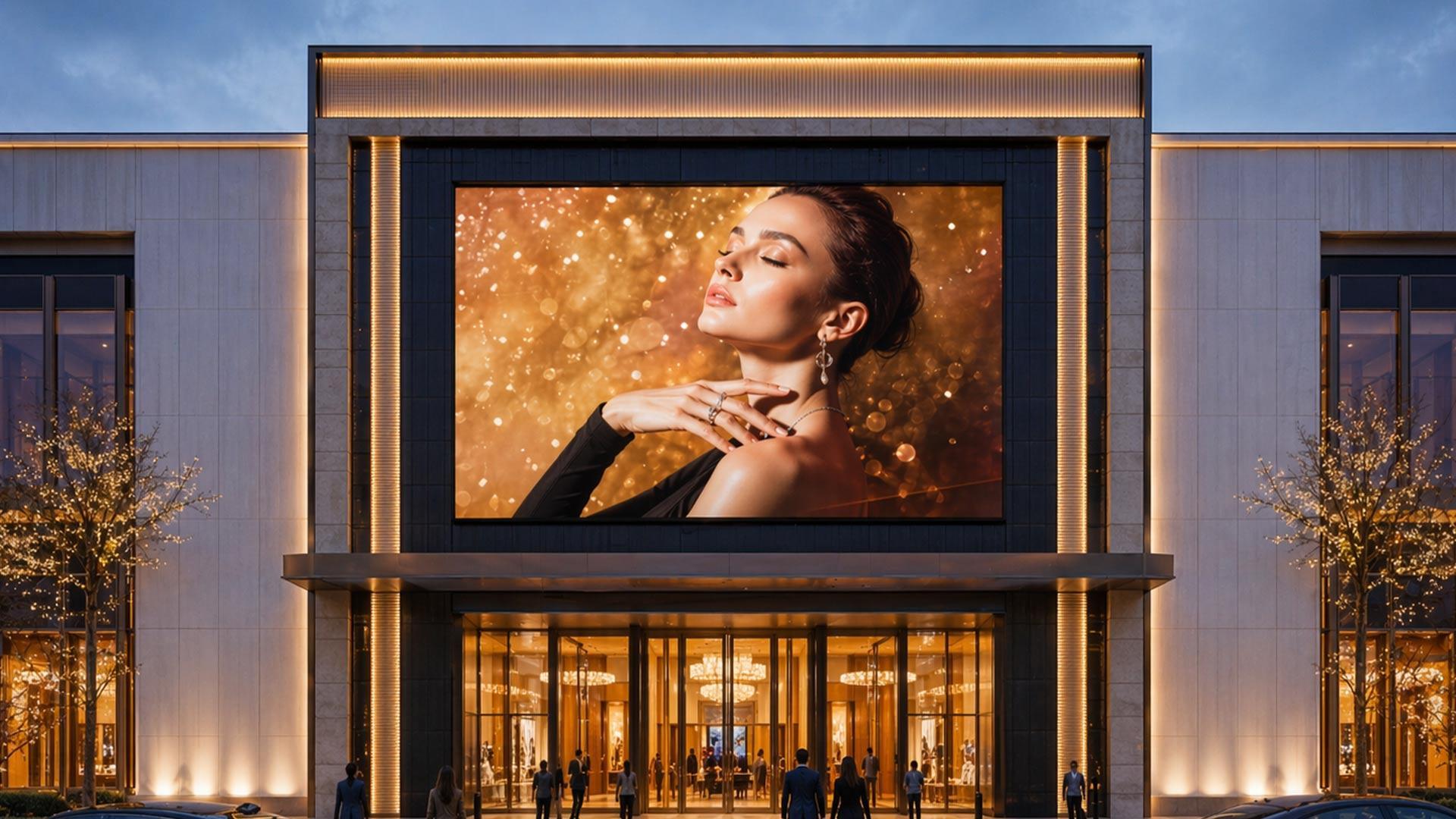 Why There Is No One-Size-Fits-All Price
No single price fits every project because every space brings different requirements. Size, pixel pitch, indoor or outdoor use, installation method, processor, support, warranty, and included components all affect the final number. A low quote may cover only the panels, while a complete quote may include the parts that make the system usable from day one.
Why Comparing Quotes Can Be Misleading
At first glance, two quotes can look almost identical. Then the details tell a different story. One may include a turnkey package; another may leave out mounting hardware, spare modules, freight, or technical help. Before comparing price, compare what is actually included.
Screen Size: The First Major Cost Factor
Size always matters. It’s usually the first detail people notice, and yes, it matters. A larger setup requires more panels, more power, more cabling, and often a stronger mounting structure. In some cases, it also needs a processor capable of handling the final resolution.
Why Bigger Doesn’t Always Mean More Expensive per Square Foot
Surprisingly, a bigger LED wall is not always more expensive per square foot. A larger layout with a wider pixel pitch can sometimes be more cost-effective than a smaller fine-pitch setup. Total price may rise, but panel type and resolutionhave a major influence on the final cost.
How Businesses Should Think About Size
Start with the room, not the catalog. How far will people stand or sit from the screen? Will it show slides, live video, worship lyrics, advertising, dashboards, or cinematic visuals? In a boardroom, the priority may be sharp close-up detail. In an auditorium, the better investment may be a larger image that reads clearly from the back row.
Pixel Pitch: The Detail That Can Change the Entire Budget
Pixel pitch is the name of the whole game. It measures the distance between the LEDs. A smaller number means tighter pixels and a sharper image at close range. That extra density adds cost because the panel contains more LEDs per square meter.
Smaller Pixel Pitch Usually Means Higher Cost
It is easy to assume the smallest pitch is always the premium choice. Sometimes it is. A 1.86mm or 2.5mm panel usually costs more than a 3.91mm or 5mm option, and it makes sense when viewers are close. From farther away, however, that extra detail may not be noticeable enough to justify the added expense.
Providing Some Reference Prices
A compact indoor LED wall may sit near the lower end of the commercial range. For a church, lobby, or retail space, the budget often moves higher once structure, processor, and support enter the picture. Outdoor or studio-ready systems usually cost more because they require stronger brightness, protection, or on-camera performance.
The Right Pixel Pitch Isn’t Always the Smallest One
Furthermore, the smartest choice is the pitch that matches the viewing distance. From across a sanctuary, showroom, or event space, a wider pitch can still look excellent. Overspending on a smaller pitch simply because it sounds better can turn into money that would have been better used elsewhere.
Pixel Pitch by Business Use Case
For boardrooms, broadcast, and virtual production, fine pitch usually makes sense. Churches, retail stores, corporate spaces, hotels, and schools often work well with medium pitch. Stages, trade shows, outdoor signage, and sports venues can often use wider pitch because the audience is viewing from farther away.
Indoor vs. Outdoor LED Display Panels
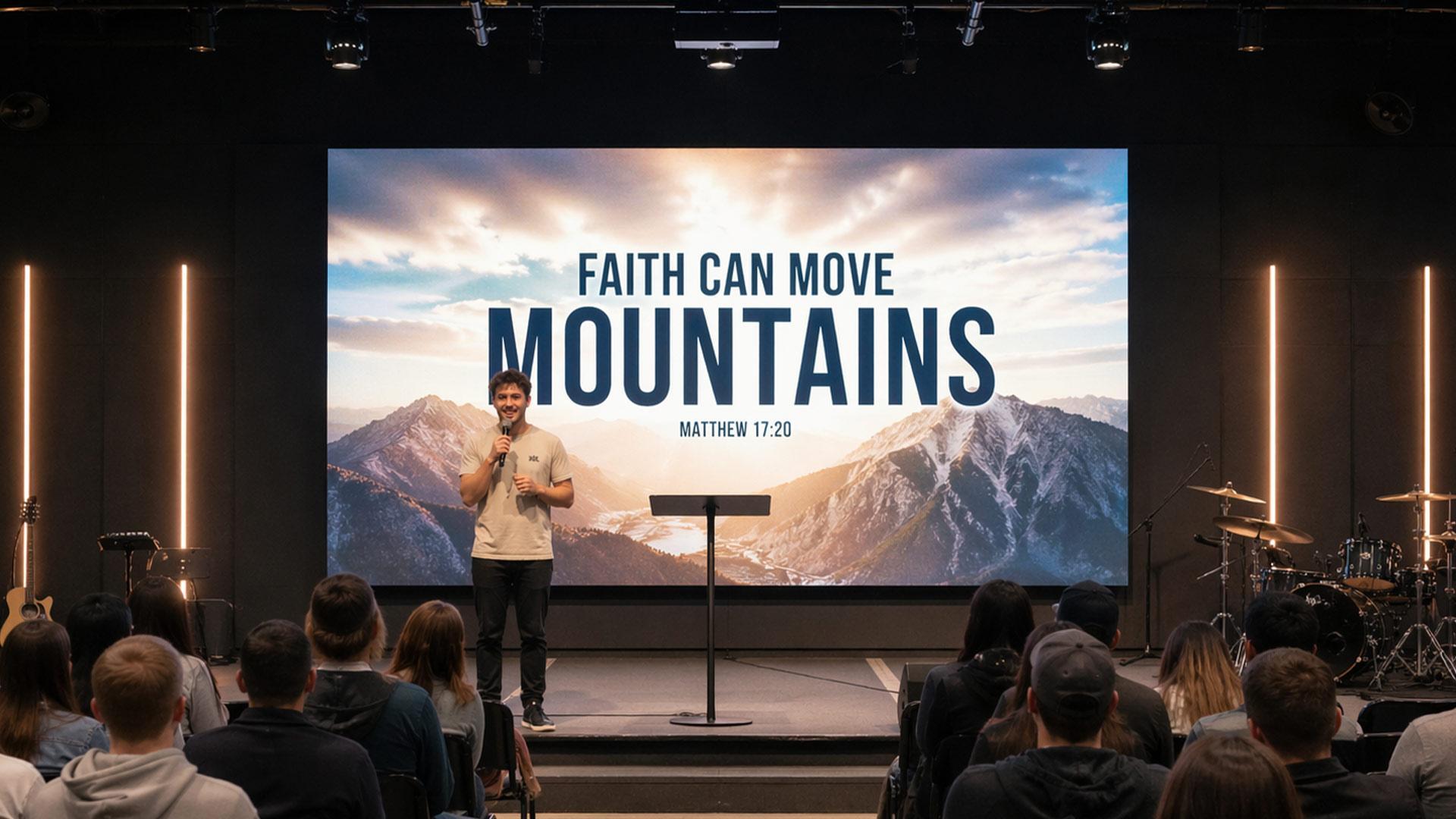 Inside, projects usually focus on resolution, visual uniformity, and a clean architectural finish. Outside, the priorities change. Sunlight, rain, dust, temperature shifts, ventilation, and long operating hours all become part of the equation, along with the need for a bright, readable image.
Why Outdoor LED Walls Usually Cost More
Every outdoor project costs more because the environment is tougher. The system has to handle weather, heat, wind, sunlight, and extended daily use. Stronger cabinets and higher brightness add to the budget, but they also help the display perform reliably in real conditions.
Brightness, Weather Protection, and IP Rating
On the other hand, brightness is measured in nits, and outdoor displays need much more of it than indoor screens. IP ratings, such as IP65, help indicate protection against dust and water. For anything exposed to the elements, these details are not technical extras; they are part of the screen’s survival.
Indoor Spaces Still Require Careful Planning
Even indoors, planning matters. Ventilation, cable management, electrical work, and maintenance access can affect both performance and appearance. A polished installation should feel like it belongs in the room, not like it was added at the last minute.
Installation Method: Wall-Mounted, Ground Support, or Flown
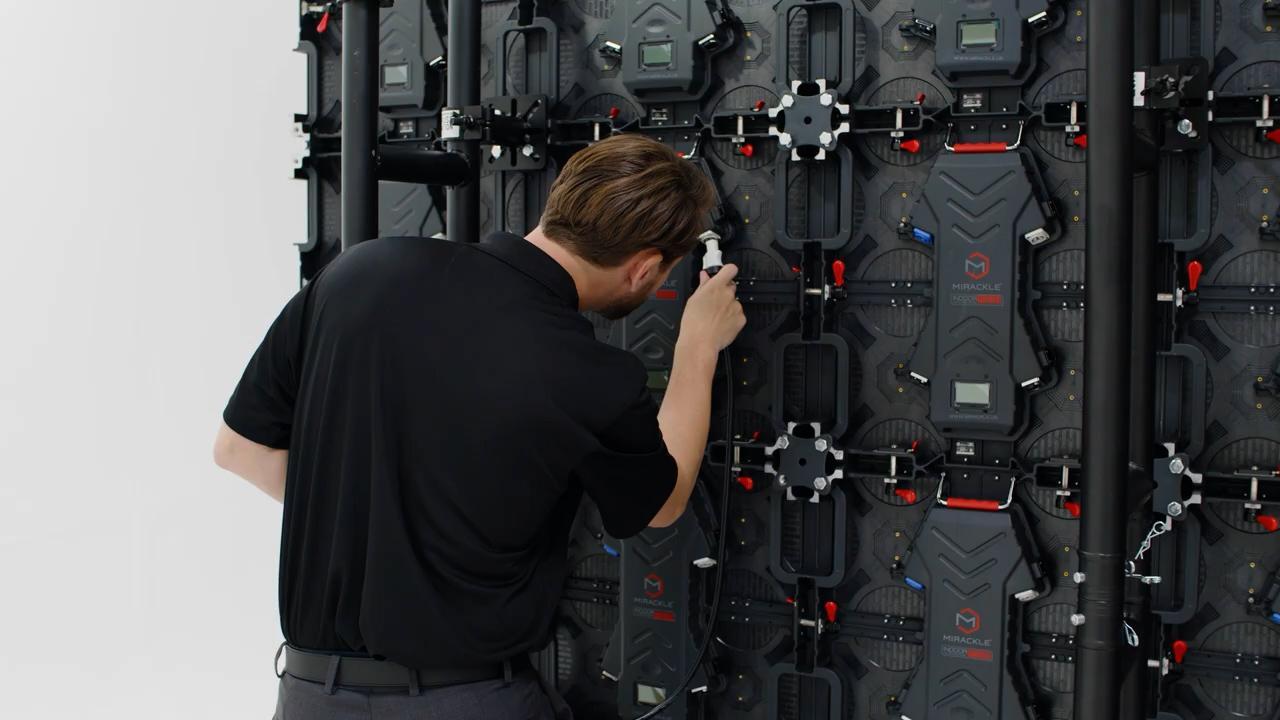 The way an LED video wall is positioned can shift the budget more than buyers expect. Wall-mounted, ground-supported, and truss systems all require different hardware, labor, safety planning, and service access. In many projects, installation is where a “simple screen” becomes a real construction decision.
Wall-Mounted Installations
In lobbies, churches, boardrooms, restaurants, hotels, and retail spaces, wall-mounted systems are common because they create a clean permanent look. Behind that clean look, though, there may be brackets, framing, wall reinforcement, and planned access for future repairs.
Ground-Supported LED Panels
For trade shows, temporary events, stages, or spaces where walls cannot be modified, ground support can be the practical choice. These setups may require frames, road cases, support hardware, and components built for repeated setup and teardown.
Flown or Rigged Installations
In concerts, auditoriums, and large events, flown systems require a more serious level of planning. Load calculations, approved hardware, professional rigging, and safety checks are essential. This is not the area to save a few dollars, because the risk is too high.
Why Structural Planning Matters
Every screen has weight, power needs, ventilation requirements, and service considerations. Lightweight cabinets can help, but the structure still has to be safe, level, accessible, and practical for long-term operation.
Video Processors, Control Systems, and Signal Requirements
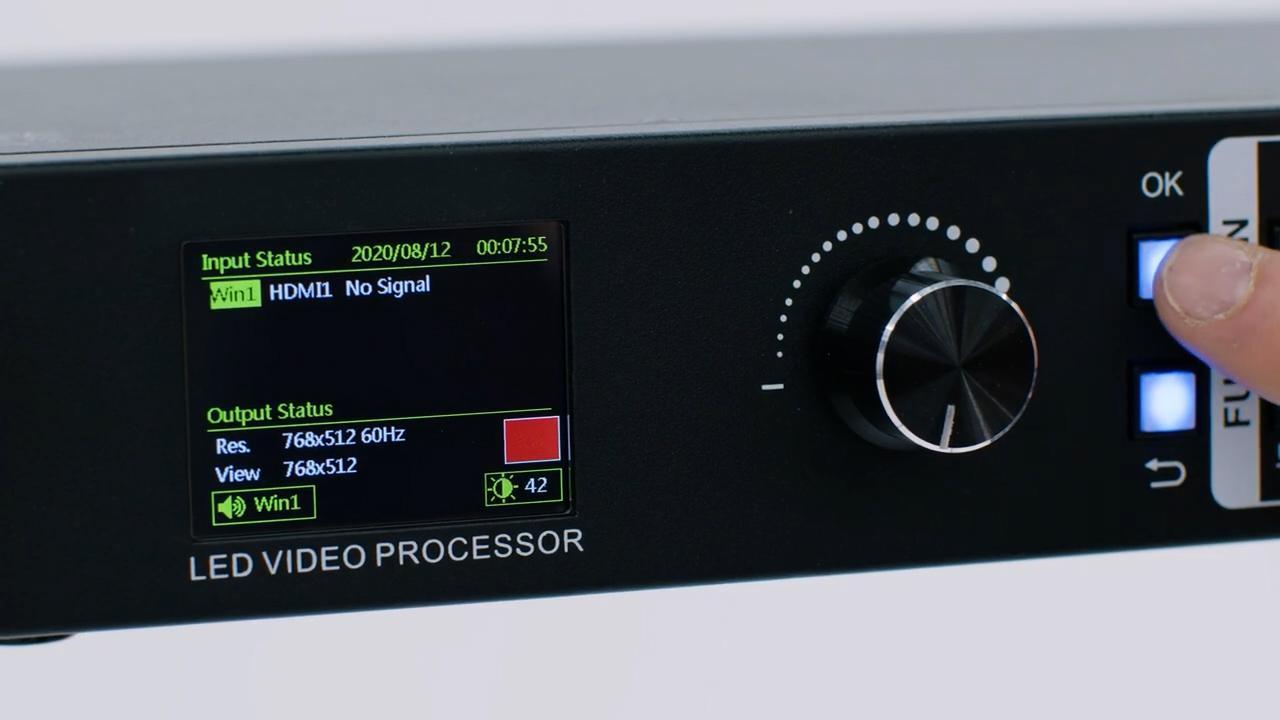 The image on the screen depends heavily on what is driving it. Depending on the setup, that may include a video processor, receiving cards, sending cards, media players, power distribution, and data cables. These pieces may not be visible to the audience, but they shape what the audience sees.
What a Video Processor Actually Does
Think of the processor as the translator between your content and the final wall layout. It takes the video signal and maps it to the correct size, layout, and resolution. Without the right processor, content can look stretched, cropped, soft, or poorly scaled, which can make an expensive LED video wall installation feel unfinished.
Why Control Systems Affect the Final Price
More complex setups need more capable control systems. Multiple inputs, scaling, synchronization, switching, and reliable signal management all add cost. They also add stability, flexibility, and a better finished experience.
When a Better Processor Is Worth It
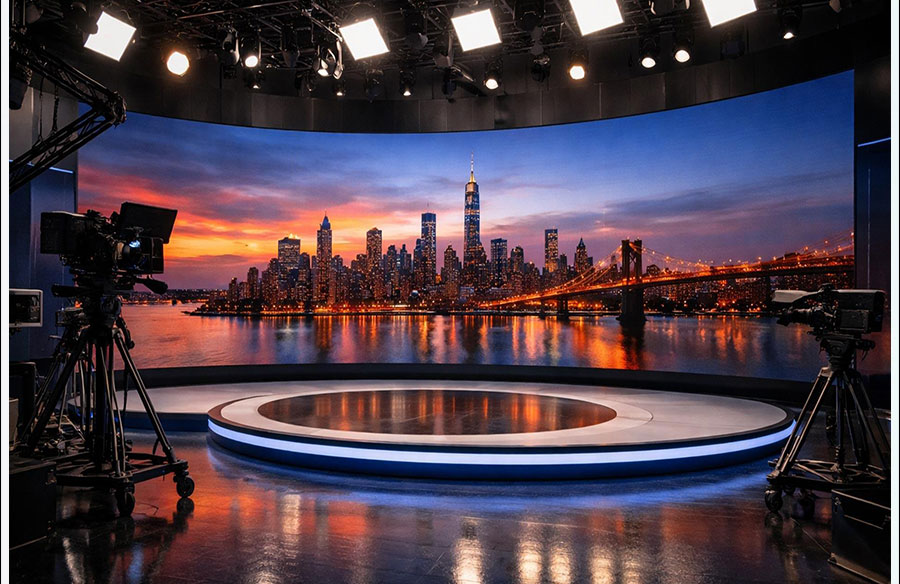
For virtual production, broadcast studios, live events, corporate presentations, and any screen recorded on camera, stronger processing is usually worth the upgrade. In those environments, stable image control is not a luxury; it is part of the show.
Technical Factors That Should Be Checked Before Pricing an LED Display
A reliable LED screen quote should be based on more than screen size alone. Industry guidance commonly points to pixel pitch, viewing distance, brightness, refresh rate, control systems, and service access as key factors in choosing the right display for a space.
For example, AVIXA notes that pixel pitch is closely tied to viewing distance, and that a common shortcut is the “10x rule,” where a 2mm pixel pitch is typically suited for viewing at around 2 meters or farther. Planar also explains that pixel pitch directly affects pixel density, which influences how sharp the image appears at different viewing distances.
Brightness is another major factor, especially for outdoor LED devices. Outdoor LED signage materials highlight high-brightness performance, with some outdoor products reaching up to 10,000 nits and IP-rated protection for sun, rain, and all-day operation.
For projects used on camera, such as broadcast studios, livestreamed worship services, virtual production, conferences, and recorded events, refresh rate and image consistency should also be reviewed carefully. Absen’s guidance for virtual production notes that smaller pixel pitch can allow closer camera distances and improve image detail during filming.
These details are not just technical specifications. They help explain why two LED screen quotes can look similar on paper but perform very differently once installed.
Refresh Rate, Color Quality, and On-Camera Performance
Not all panels look the same once they are installed. Refresh rate, calibration, grayscale, brightness uniformity, and module quality can change how polished the final image feels. For brands, venues, and studios, image quality becomes part of the message.
Why Refresh Rate Matters
When a screen is filmed, a high refresh rate helps reduce flicker and banding. That matters for studios, worship services, conferences, livestreams, and social media content. What looks acceptable in person may not look clean on camera, so this detail can matter more than expected.
Color Consistency and Image Quality
Across a finished wall, every module should feel consistent. Uneven color, weak calibration, or brightness variation can make even strong content look less professional. Once people notice those flaws, they are hard to unsee.
Why Cheaper Panels Can Become Expensive Later
A lower upfront price can be tempting. Problems start when cheaper panels bring flicker, dead pixels, poor color, difficult repairs, or limited replacement parts. Over time, those issues can turn a bargain into a more expensive ownership experience.
Support, Warranty, and Long-Term Reliability
The real cost does not end when the screen turns on. What happens six months later matters just as much: who supports the system, what the warranty covers, and whether replacement parts are available. For commercial use, reliability has real financial value.
 Why Warranty Length Matters
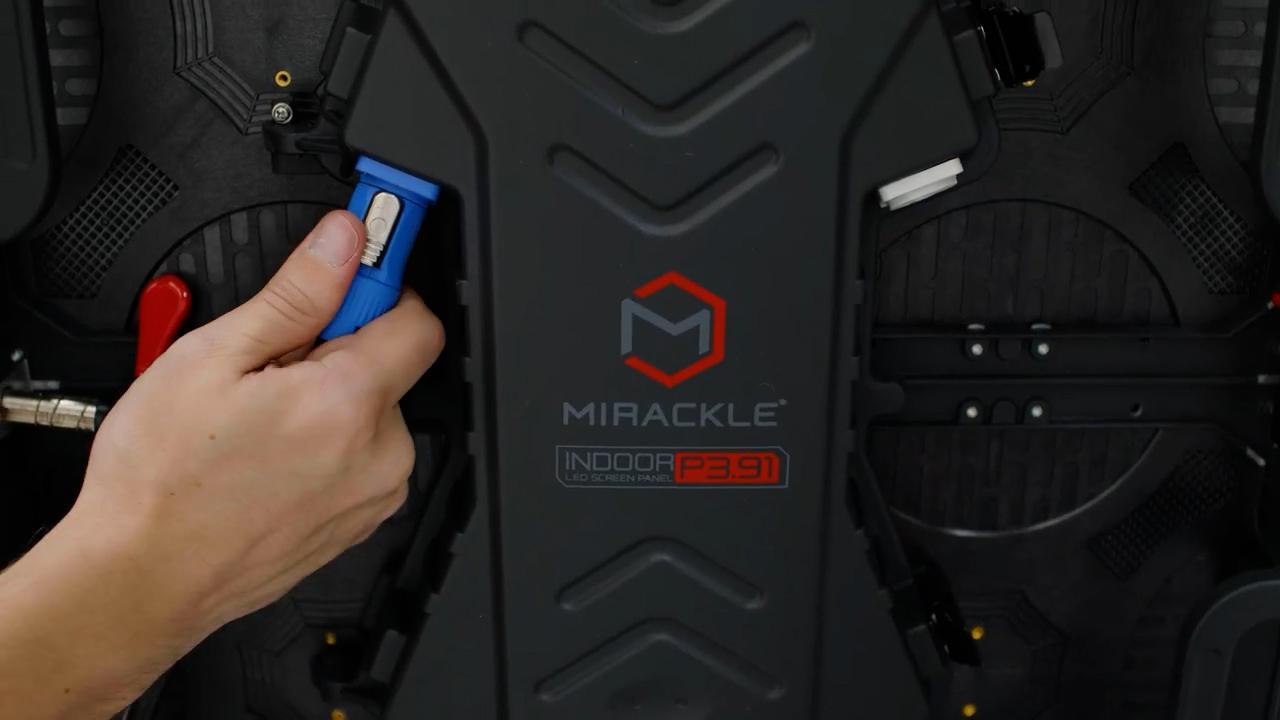
For churches, hotels, schools, retailers, and venues, the screen often needs to work every day or every week. A strong warranty helps reduce risk and gives buyers more confidence that the investment is protected beyond the first installation day.
The Value of Local or U.S.-Based Support
When an event, service, presentation, or opening day is approaching, fast support can make a major difference. Local or U.S.-based technical help can keep small issues from becoming expensive downtime.
Spare Parts and Maintenance Access
Replacement modules, receiving cards, power supplies, and cables should be available when needed. Just as important, the system should be designed so technicians can reach and replace parts without disrupting the entire space.
Hidden Costs Businesses Often Forget
Many budgets focus only on the panels. That is where surprises begin. A realistic budget should include the items around the screen, because those details often decide whether the project feels smooth, stressful, or more expensive than expected.
Electrical Work
Commercial installations may require circuits, breakers, power distribution, cable routing, and safe electrical planning. These details are not flashy, but they protect performance and safety.
Mounting Hardware and Structure
Brackets, frames, trusses, ground supports, wall reinforcement, or custom structures can all affect the final cost. A clean final look often depends on strong planning behind the scenes.
Shipping and Logistics
Freight, delivery timing, packaging, road cases, and spare parts should be included when comparing quotes. A price that excludes logistics may look attractive at first, but the final number can change quickly.
Content Creation
The screen needs content designed for its size, aspect ratio, and resolution. Standard graphics or videos may need adjustments, especially when the display has a custom format. Without that step, good hardware can still look underused.
Maintenance and Spare Parts
Future service, extra modules, cables, power supplies, and receiving cards should be part of the long-term plan. A little preparation upfront can prevent costly delays later.
Cost Examples by Business Type
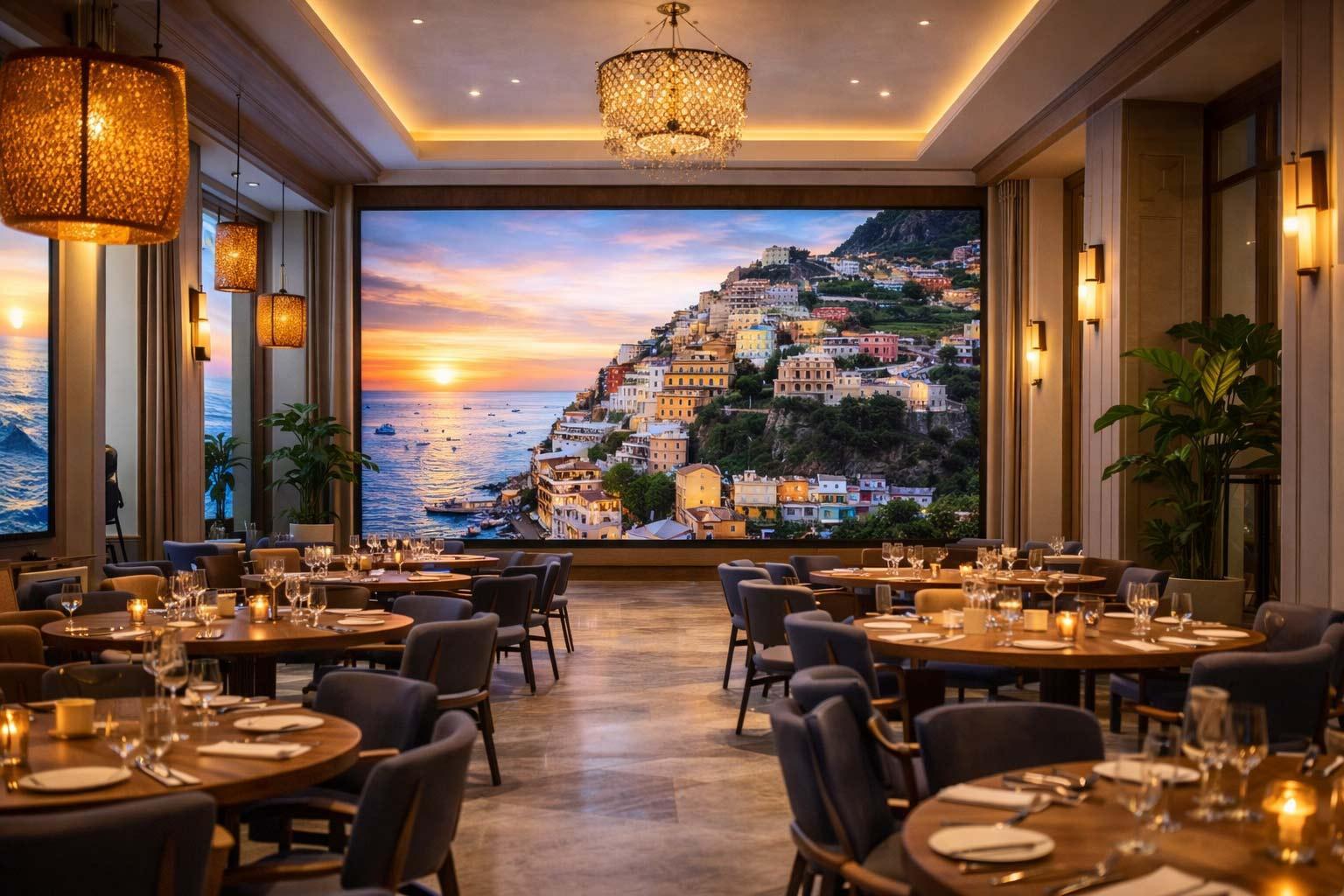
Different industries should budget around different priorities. The right configuration depends on how the screen will be used, not only where it will be installed. A strong system should fit the environment, not force the environment to work around it.
 Churches and Houses of Worship
In worship environments, visibility, reliability, simple operation, and support often matter most. Lyrics, sermon visuals, announcements, and live video all need to be clear without creating technical distractions during the service.
Corporate Offices and Boardrooms
In a boardroom or executive space, close-viewing quality matters. Fine resolution, clean installation, and professional integration help the LED video wall feel like part of the room, not just a large screen.
Retail Stores and Shopping Centers
For retail, the LED display has to attract attention quickly. Brightness, color impact, promotional flexibility, and stable daily performance can help turn a basic message into a stronger customer moment.
Trade Shows and Live Events
On the event side, portability becomes a major factor. Fast setup, modularity, durability, flight cases, and repeatable assembly can matter as much as image quality, because the system needs to travel well and still look polished.
Virtual Production and Broadcast Studios
In studios, technical performance becomes much more visible. High refresh rate, consistent color, low latency, strong processing, and often finer pitch all help the image hold up on camera, where small flaws are easier to catch.
How to Budget Smartly for an LED Screen
The smartest budgets begin with the use case. Space, viewing distance, content type, installation method, and on-camera requirements should guide the decision before any specific product is selected. Once those details are clear, the right configuration becomes easier to price.
Start With the Use Case, Not the Product
A restaurant, church, university, boardroom, and studio may all use similar technology, but they rarely need the same setup. Budgeting becomes more accurate when the conversation starts with how people will actually experience the screen.
Ask What Is Included in the Quote
Before accepting a quote, confirm what it covers. Panels, processor, cables, spare parts, mounting structure, shipping, training, warranty, support, and installation guidance can all affect the final value. A complete quote gives a clearer picture of the real investment.
Think in Terms of Total Cost of Ownership
The cheapest option is not always the most affordable. Poor image quality, missing components, weak support, or frequent repairs can cost more later. Over time, ownership depends on performance, serviceability, and reliability, not only the first invoice.
Questions to Ask Before Requesting a Quote
Before requesting pricing, define the LED wall size, viewing distance, indoor or outdoor use, camera requirements, installation method, included components, warranty, and support. These questions help prevent surprises after the quote arrives.
The Real Cost Is About Value, Not Just Price
Price matters, but value matters more. A well-planned system can improve communication, attract attention, support events, strengthen a brand, and create a better audience experience. A poorly matched system can create technical issues, weak visuals, and extra expenses.
Choosing the Right Partner Makes Budgeting Easier
With the right supplier, budgeting becomes much simpler because the conversation connects the screen to the space, audience, content, installation method, and long-term use. For businesses looking for turnkey packages, indoor and outdoor options, technical guidance, fast shipping, after-sales support, and reliable commercial LED Video Wall technology, LED Nation helps simplify the buying process with solutions built for real business environments.