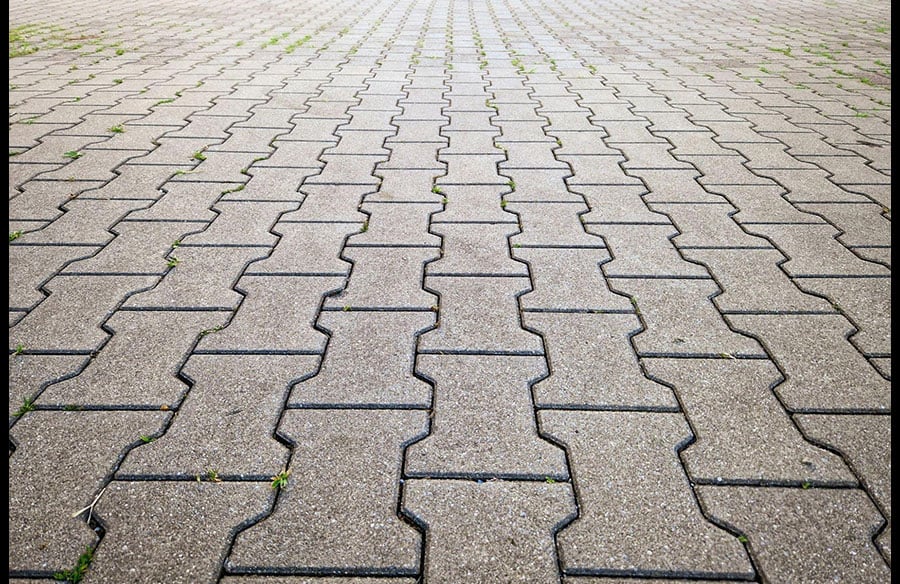
Concrete is often treated as one of the most durable materials used in commercial and industrial spaces, but its lifespan depends heavily on consistent surface maintenance over time. Parking lots, sidewalks, loading zones, warehouses, public spaces, and large exterior work areas all face constant exposure to dirt, moisture, chemicals, tire residue, and environmental buildup that gradually wear down the surface long before major cracks begin appearing.
The challenge with concrete deterioration is that most damage develops slowly. Small surface issues usually remain unnoticed until stains deepen, drainage weakens, erosion spreads, or cracks begin widening across heavily used areas. Once those problems become visible, repairs are often far more expensive than the routine upkeep that could have prevented them earlier.
Dirt and Residue Gradually Break Down Surface Integrity
Concrete surfaces constantly collect oil, grease, dirt, tire residue, algae, chemicals, and environmental debris throughout the year. Over time, this buildup traps moisture against the surface and slowly weakens the protective outer layer that helps concrete withstand weather exposure and heavy use.
The issue becomes more severe in high-traffic environments where residue repeatedly settles into porous areas of the concrete. Loading zones, parking structures, sidewalks, and industrial workspaces usually experience faster deterioration because the surface rarely stays clean long enough to dry properly after rain, spills, or heavy operational use.
Many contractors handling larger maintenance projects eventually rely on a commercial pressure washer for concrete companies when buildup becomes too heavy for standard cleaning methods to remove effectively across large-scale concrete surfaces.
Once contaminants remain embedded for extended periods, concrete often becomes far more vulnerable to surface erosion and structural wear.
Moisture Exposure Often Causes Long-Term Damage
Water is one of the biggest long-term threats to concrete durability. Moisture naturally seeps into small pores and surface imperfections over time, especially when drainage problems allow water to remain trapped on the surface repeatedly.
In colder climates, freeze-thaw cycles create even greater stress because trapped moisture expands when temperatures drop. This gradual expansion slowly weakens the concrete from within, eventually leading to surface flaking, cracking, and deeper structural damage that spreads over multiple seasons.
Standing water also increases the likelihood of mold, algae, and staining, particularly in shaded areas where airflow remains limited. The longer moisture stays trapped against the surface, the faster deterioration usually develops.
Delayed Cleaning Makes Surface Problems Harder to Reverse
 One of the biggest mistakes property owners make is allowing stains and residue to remain untreated for long periods. Oil spills, tire marks, rust stains, chemical residue, and organic buildup become increasingly difficult to remove once they settle deeper into the concrete surface.
What begins as cosmetic discoloration often turns into deeper surface deterioration because contaminants continue interacting with the material beneath the surface layer. Delayed cleaning also makes inspections more difficult since buildup can hide early signs of cracking, drainage problems, and surface separation.
Concrete that receives consistent cleaning usually lasts longer because maintenance teams identify small issues earlier before environmental stress begins spreading across larger sections of the surface.
Poor Drainage Accelerates Surface Wear
Concrete surfaces depend heavily on proper drainage to maintain long-term durability. Areas where water repeatedly pools often experience faster surface breakdown because moisture remains concentrated in the same locations after storms or cleaning cycles.
Drainage problems commonly develop around low points, uneven grading, clogged runoff areas, or surfaces exposed to heavy operational traffic. Over time, standing water weakens surrounding concrete while increasing the likelihood of cracking and erosion beneath the surface.
The issue often spreads gradually because nearby sections begin absorbing additional stress once water flow becomes inconsistent across the surrounding area.
Heavy Traffic Creates Constant Surface Stress
Concrete exposed to repeated vehicle traffic, heavy equipment movement, forklifts, trailers, or industrial machinery naturally wears down faster than lower-use surfaces. The pressure itself is not always the main problem. Dirt, trapped debris, tire residue, and moisture carried across the surface usually increase friction and surface stress significantly over time.
This is especially noticeable in commercial and industrial environments where equipment repeatedly follows the same paths every day. Small surface imperfections gradually become larger weak points once traffic pressure combines with environmental exposure and inconsistent maintenance routines.
Without regular upkeep, heavily used concrete often develops uneven wear patterns that eventually lead to more expensive resurfacing or repair work.
Surface Maintenance Usually Costs Less Than Structural Repairs
Many concrete problems remain manageable when addressed early through regular cleaning, drainage correction, and surface maintenance. However, once cracks spread, erosion deepens, or moisture damage reaches lower structural layers, repair costs increase dramatically.
Concrete deterioration rarely happens because of one major event alone. More often, damage develops through years of overlooked maintenance, trapped moisture, surface contamination, and delayed cleanup that slowly weaken the material over time.
Consistent surface maintenance may not always seem urgent when concrete still appears functional, but long-term durability often depends on preventing smaller environmental stresses from quietly accumulating year after year.