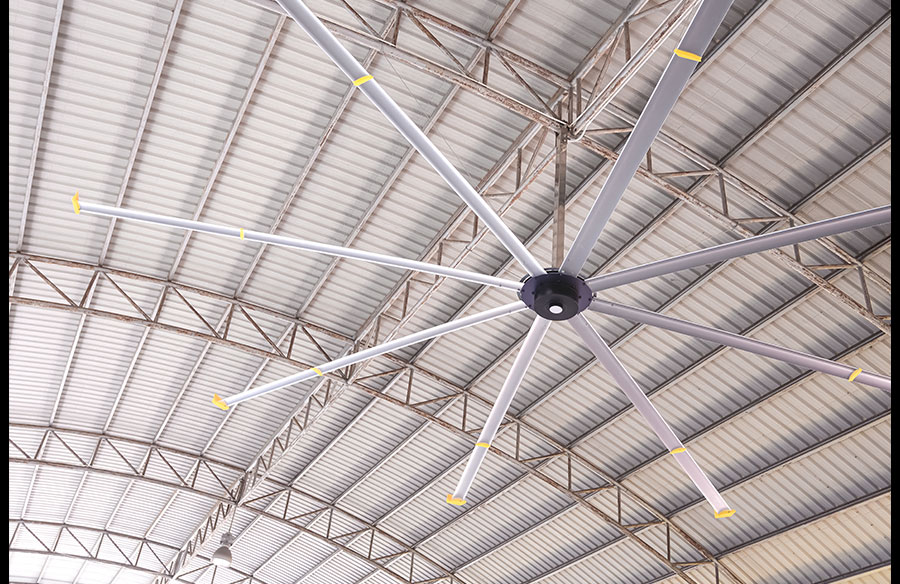
Large commercial spaces need steady air movement across work zones, storage aisles, and production floors. Decision makers can request a professional airflow review before a major fan project begins. This article explains why professional production matters for commercial HVLS fan projects.
Business leaders choose commercial HVLS fan manufacturing solutions when comfort, control, and equipment life matter. A qualified manufacturer connects fan size, blade profile, motor output, and site demands. Proper planning improves airflow efficiency and lowers long-term maintenance costs.
Professional Manufacturers Maintain Commercial Fan Standards
Professional manufacturers follow clear production standards for dependable fan performance. Their teams select motors, blades, hubs, controls, and safety parts for heavy facility use. This careful process helps each unit support long shifts inside large spaces.
Commercial buyers gain confidence when equipment arrives with verified technical details. Strong production standards support safer air movement across active work areas. Documented procedures help maintenance teams identify parts, ratings, and service needs.
Custom Production Supports Business Facility Requirements
Each facility has a unique ceiling height, rack layout, heat load, and workflow needs. Custom production helps manufacturers match fan diameter with the correct coverage zone. Engineers review mount points, electrical capacity, and clearance before final product selection. This process helps businesses prevent weak air coverage in critical work areas. Accurate product selection helps each department maintain comfort during daily operations.
Key design factors include these:
- Blade diameter must suit aisle width, ceiling height, and floor activity.
- Motor output must match airflow targets for extended daily use periods.
- Control options should support zones, schedules, and seasonal airflow needs.
Experienced Manufacturers Improve Project Coordination
Experienced manufacturers help businesses align product choice with project schedules. Their teams coordinate drawings, lead times, freight needs, and installer support. Clear communication helps facility teams prepare structural and electrical work correctly. This support keeps fan projects aligned with wider facility improvement plans. Businesses benefit when each project stage has a clear technical direction.
Technical Review Supports Accurate Selection
Technical review links fan capacity with measurable facility demands clearly. Engineers assess heat sources, ceiling limits, and equipment locations carefully. This review helps teams select a fan that fits site conditions.
Factory Timelines Prevent Project Delays
Clear factory timelines help facility managers plan electrical and structural work. Production teams share delivery dates, crate details, and installation notes. This coordination keeps fan projects aligned with larger facility upgrades.
Precision Manufacturing Extends Equipment Service Life
Precision production affects how each fan performs after years of use. Balanced blades reduce strain on motors, mounts, and drive components. Quality bearings, stable hubs, and accurate assemblies protect daily equipment output.
Factory checks help confirm torque values, blade balance, and controller response. Businesses choose professional sources because durable fans protect capital budgets. Strong component records help service teams order the correct replacement parts quickly.
Reliable HVLS Fans Support Workplace Comfort
Reliable HVLS fans move large air volumes at low rotational speed. This air pattern helps reduce stagnant pockets near machinery and inventory areas. Many facility managers select HVLS fans for warehouse zones that need broad, steady airflow.
Staff comfort can improve when heat stays dispersed across occupied zones. Better air distribution supports fewer hot spots near workstations and loading bays. A well-built fan system helps facilities maintain more stable indoor conditions. Consistent airflow can support cleaner movement of air across high-ceiling spaces.
Commercial Facilities Prefer Trusted Manufacturing Partners
Commercial facilities rely on partners that understand large-scale ventilation demands. Trusted manufacturers provide technical documents, warranty terms, and product support channels. Business teams value clear communication from the quotation stage through product delivery. Reliable partners help facility managers protect schedules, budgets, and comfort goals. Clear support channels help buyers solve product questions without project confusion.
Important supplier features include these:
- Product data should include airflow capacity, motor details, and dimensions.
- Warranty terms should explain coverage for core parts and controls.
- Support teams should answer technical questions before equipment purchase decisions.
Professional HVLS fan production gives businesses dependable equipment for demanding indoor spaces. Decision makers can contact a proven manufacturer to plan the next facility upgrade. The right commercial HVLS fan manufacturing solutions support comfort, efficiency, and long equipment service. Strong supplier selection helps every facility create safer, steadier airflow conditions.