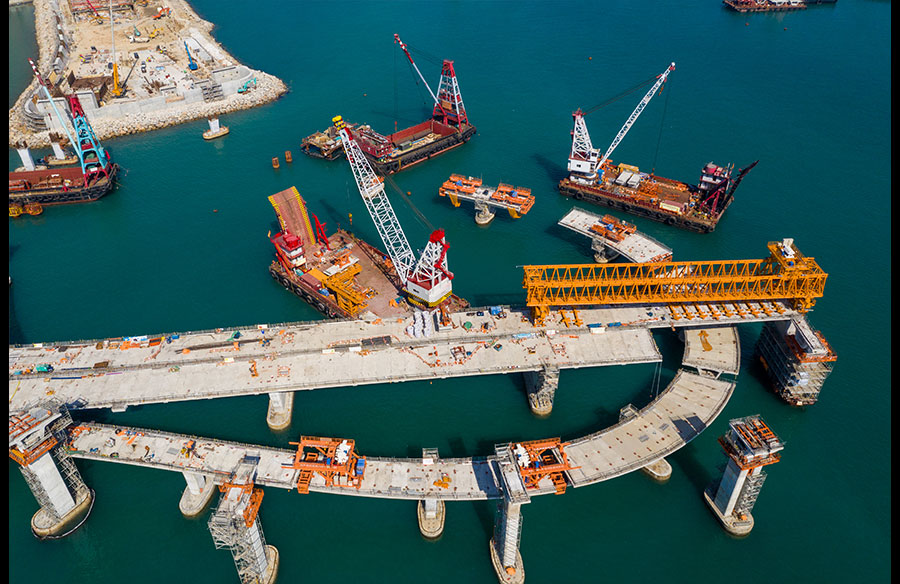
Australia’s coastline is the sixth longest in the world, spanning over 34,000 kilometres of varied shoreline. The need for resilient infrastructure along harbours, waterways and open shorelines continues to grow as 85% of the population lives within 50 kilometres of the coast. Coastal assets are under constant pressure from wave action, tidal movement, storm surges and rising sea levels, meaning specialised construction is crucial for long-term safety and functionality.
Marine construction is the design, construction and maintenance of structures in and around water. This includes seawalls, jetties, wharves, breakwaters, boat ramps and revetments. These projects protect communities from erosion, sustain port operations and help control environmental impacts that come with coastal development. The discipline creates the structural backbone that keeps coastal regions productive and accessible for local governments, port authorities and private operators.
Coastal Protection and Erosion Management
Much of Australia’s coast faces threats from erosion of roads, property, utilities and public access. Marine construction mitigates that risk, with structures designed to take wave energy and hold back shoreline erosion. Seawalls and revetments shield built-up areas from storm damage and breakwaters reduce wave energy in harbours and marinas. Groynes control the flow of sediment along beaches, maintaining sand mass in areas where natural replenishment has diminished.
That is a huge challenge. Research from Geoscience Australia shows thousands of kilometres of coastline are affected by coastal erosion, and climate projections indicate pressure will increase with sea level rise over coming decades. Engineered responses such as rock armour, sheet piling and tiered revetment systems provide quantifiable protection if designed for the local wave climate and sediment conditions.
Each project requires a detailed survey and geotechnical assessment before construction can begin, and coordination with environmental authorities is required. Timing is also a consideration, as tidal windows, seasonal weather patterns and breeding cycles of wildlife can all influence scheduling. The lack of those levels of planning structures risks underperforming or creating unintended downstream effects on neighbouring coastlines.
Port Development and Economic Growth
Australia’s ports handle more than 1.6 billion tonnes of freight annually, underpinning industries including mining, agriculture, tourism and commercial fishing. Marine construction supports that ability by building and maintaining wharves, loading platforms, navigation channels and berthing infrastructure. Dredging maintains safe operational depths for shipping lanes and marine piling supports structures that must withstand tidal forces, vessel impact and heavy cargo loads.
Beyond the big commercial ports, smaller-scale marine activities also boost local economies. Many coastal towns around the country rely on jetty and pontoon construction to facilitate their recreational boating, tourism activities and local fishing fleets.
But Infrastructure Australia says marine and port assets continue to be among the nation’s highest investment priorities for long-term economic resilience. Strategic enhancements to berth capacity, channel depth and landside connections help keep coastal infrastructure abreast of rising freight volumes and shifting trade patterns. These projects also generate local employment and support supply chains related to maritime industries in many regional areas.
Environmental Planning and Sustainable Design
Structural engineering has long been a part of marine construction, and now environmental planning is becoming just as important. Projects near sensitive ecosystems such as the Great Barrier Reef, coastal wetlands or estuarine habitats must have comprehensive environmental impact assessments, sediment modelling and water quality monitoring before and during construction.
Eco-engineering has emerged as a design approach that integrates built infrastructure and ecological goals. Examples include:
- Textured seawall panels to promote the development of marine habitat on hard surfaces
- Artificial reef modules will be placed next to breakwaters to sustain local biodiversity
- Native vegetation and engineered fill living shoreline treatments
These approaches can help regenerate ecosystems and still provide structural performance. Environmental expertise is no longer an afterthought but part of the standard delivery process. Most Australian states now have regulatory frameworks that require construction teams to demonstrate how projects will minimise ecological disruption.
Conclusion
Marine construction is the structural foundation that coastal communities and industries rely on for safety, access and economic activity. This discipline offers a range of specialised services, including erosion control, port upgrades and environmentally sensitive design. More than 85% of Australians live close to the coast, so the stakes are high. As population pressures and climate change increase the demands on Australia’s coastline, well-planned marine infrastructure is essential to protecting both built assets and natural environments in the long term.