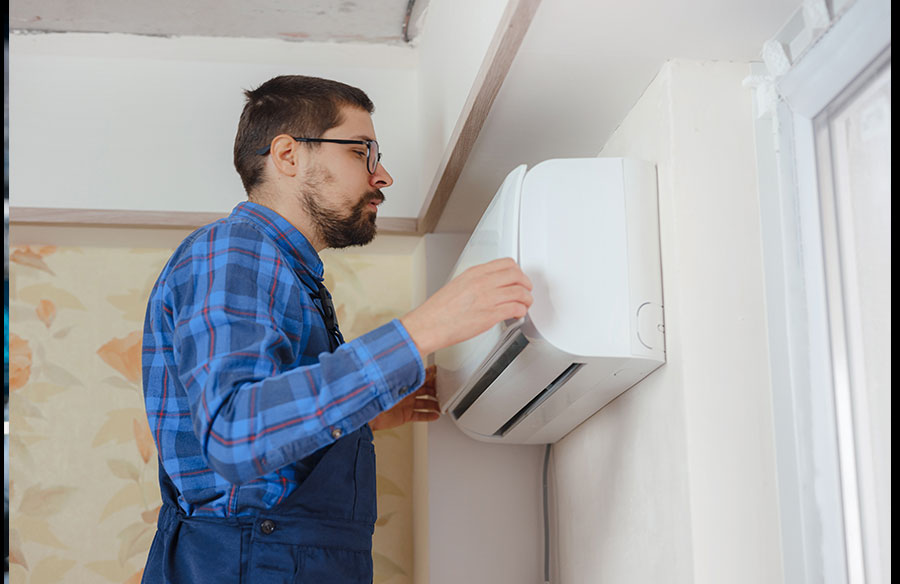
Air conditioners rarely fail without signaling distress first. Subtle shifts in temperature control, airflow, humidity, or sound often appear before a shutdown. Households that notice those changes early can reduce heat exposure, limit electrical strain, and avoid damage to major components. During hot weather, delayed service can affect sleep, hydration, and respiratory comfort. Careful observation helps people judge whether a system needs routine attention or immediate professional repair.
Early Warning Signs
Serious cooling trouble often starts with changes that seem minor at first. Longer cycles, uneven room temperatures, and heavier indoor humidity can all point to mechanical stress. In that setting, arranging air conditioning repair in Portland, OR, may help prevent compressor strain, airflow failure, or a complete loss of cooling during extreme heat. Quick action also supports safer indoor conditions for children, older adults, and anyone sensitive to overheating.
Weak Airflow
Weak airflow usually means cooled air is not reaching living spaces effectively. A clogged filter may be involved, yet blower failure, collapsed duct sections, or coil blockage can produce the same pattern. Back bedrooms often feel the change first. If vents release only a thin stream, the system may be consuming more electricity while delivering less cooling. That mismatch deserves prompt evaluation.
Warm Air Indoors
Air that feels warm during an active cooling cycle should raise concern quickly. Refrigerant loss, compressor damage, or thermostat misreading can all interrupt heat removal. Many people lower the setting and wait, but indoor temperatures remain stubbornly elevated. That response usually signals impaired cooling capacity rather than normal fluctuation. During a heat spell, this problem can worsen fast and place extra pressure on the entire system.
Strange Sounds
Most healthy units produce a steady operating hum with minor air movement. Grinding, rattling, buzzing, or high-pitched squealing suggests internal wear or electrical stress. Fresh noise should never be brushed aside as simple aging. One loose component can damage nearby parts within hours. Early inspection may stop a worn bearing, failing motor, or unstable fan assembly from turning a contained repair into a larger disruption.
Odors That Raise Concern
Unusual odors can signal overheating materials, microbial growth, or drainage problems inside the unit. A burning smell may reflect scorched insulation or stressed wiring. Musty air often points to moisture collecting near coils, pans, or drain lines. Neither issue belongs in a living space. Poor indoor air can irritate airways, disturb sleep, and aggravate symptoms in people with asthma or allergic sensitivity.
Moisture and Leaks
Moisture near cooling equipment should never be ignored. Some leaks result from a blocked condensate line, while others develop after coil freezing or refrigerant loss. Refrigerant exposure requires urgent professional handling because it reduces cooling ability and may create safety concerns. Water around the unit can also soak flooring, stain drywall, and support mildew growth. Fast attention helps limit both property damage and indoor discomfort.
Short Cycling
Short cycling occurs when the unit starts, stops, and restarts within brief intervals. That pattern increases wear on motors, relays, and compressors while raising energy use. A dirty filter can contribute, yet sensor faults, thermostat errors, or improper equipment sizing may also be involved. Frequent cycling reduces humidity control as well. Rooms may feel briefly cool, then quickly turn sticky and uncomfortable again.
Rising Energy Bills
A sharp rise in summer electricity use often reflects hidden cooling trouble. Systems with restricted airflow or failing parts tend to run longer before reaching the thermostat setting. That extra runtime appears on utility bills before a full breakdown occurs. Comparing current charges with past periods of similar weather can reveal a meaningful efficiency drop. Early repair often costs less than prolonged strain on damaged equipment.
When Immediate Help Matters Most
Some warning signs call for same-day service rather than observation. These include no cool air during high heat, repeated breaker trips, burning odors, refrigerant leaks, or rapid cycling. Risk rises in homes with infants, older adults, or people managing heart or lung conditions. In those settings, indoor heat is more than uncomfortable. Stable cooling supports hydration, sleep, temperature regulation, and day-to-day physical safety.
Conclusion
Urgent air conditioning problems usually reveal themselves through altered airflow, unstable temperatures, unusual sounds, visible moisture, or sudden energy spikes. People who recognize those signs early can reduce repair costs and restore safer indoor conditions sooner. A unit that cannot cool dependably during hot weather deserves immediate attention, especially where health concerns or property risks are present. Watching for these patterns helps households respond before a stressful system failure takes hold.