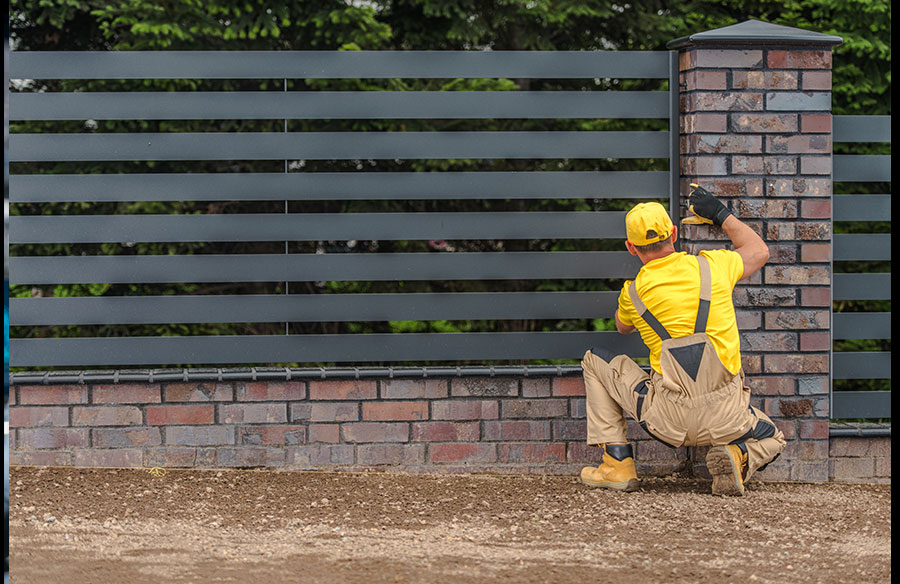
A fence shapes privacy, child safety, pet control, and the way a property feels every day. In Portland and beyond, hiring the right contractor affects structural stability, drainage, gate function, and future repair costs. Price matters, yet it should never stand alone. Sound decisions usually come from checking experience, paperwork, workmanship, and communication habits together. That approach helps property owners avoid weak post setting, rushed installation, and vague estimates that create friction once construction starts.
Check Local Experience
Regional history matters because rainfall, grade shifts, clay soil, and permit rules can alter installation methods. During comparisons, many owners review a Portland fence company with nearby project records, long service history, and familiarity with neighborhood requirements. That kind of background offers useful clues about drainage planning, post depth, material performance, and whether a crew understands how wet conditions affect long-term durability.
Verify Licensing
Licensing deserves an early check because it shows whether a contractor meets local legal requirements. Public records can confirm active status, disciplinary history, and complaint patterns. That review will not predict every outcome, yet it helps remove unqualified operators before time is wasted on meetings or estimates. A professional crew should also share license details without hesitation.
Confirm Insurance
Insurance protects property owners from serious financial exposure if damage or injury occurs during construction. General liability coverage addresses site-related harm, while worker protection covers crew accidents. Paper proof matters more than verbal reassurance. Current certificates show whether policies remain active on the planned start date. That simple step can prevent costly disputes after a preventable incident.
Review Past Work
Finished projects reveal more than polished sales language ever could. Straight lines, balanced spacing, secure gates, and clean transitions near slopes all reflect field judgment. According to the Federal Trade Commission, reviewing a contractor’s past projects is one of the most reliable ways to evaluate quality. Photos help, yet in-person examples carry greater value whenever possible. Property owners should ask whether the contractor has handled repairs, custom layouts, or difficult grades that resemble the proposed job.
Read Customer Feedback
Reviews can expose patterns hidden behind a polished estimate. Repeated comments about late arrivals, weak cleanup, or missed callbacks deserve attention. Praise for steady communication, punctuality, and problem solving usually carries more weight than one dramatic endorsement. Strong feedback is most useful when it mentions project type, timeline accuracy, and how the crew handled changes after work began.
Compare Materials
Material guidance should match weather exposure, maintenance tolerance, and the property’s functional needs. Cedar offers warmth and familiar appearance, while metal posts can improve stability in damp ground. Composite products reduce surface upkeep, though initial pricing may rise. A capable contractor should explain rot risk, fastener performance, gate weight, and expected wear without pushing one option blindly.
Study the Estimate
A useful estimate should list labor, materials, removal, disposal, hardware, and schedule assumptions in plain language. Missing details often lead to disputes after signatures are in place. Payment timing also deserves close review. Sharp price differences may reflect thinner materials, fewer posts, or excluded site work rather than true savings. Careful reading protects against expensive surprises later.
Ask About Process
Work process often reveals professionalism faster than sales talk. Contractors should explain site measurement, layout approval, utility checks, access planning, and daily cleanup before the first post hole is dug. Clients also benefit from knowing who provides updates and how changes are documented. Clear process reduces confusion when weather delays, supply shortages, or grade issues appear.
Measure Communication
Communication affects outcomes almost as much as craftsmanship. A dependable contractor answers questions clearly, sets realistic expectations, and confirms revisions in writing. Quick replies alone are not enough. Useful communication also includes honest discussion of tradeoffs, scheduling limits, and site restrictions. That level of clarity helps property owners make better decisions before small concerns grow into major frustrations.
Look at Warranty Terms
Warranty language should be direct, readable, and narrow enough to prevent confusion. Labor coverage may differ from manufacturer protection, so each part deserves separate review. Property owners should ask what defects qualify, how claims are submitted, and which conditions can void coverage. Clear warranty terms usually suggest organized recordkeeping and a contractor willing to stand behind completed work.
Conclusion
Choosing a fence contractor should rest on evidence, not charm or pressure. Local experience, active licensing, valid insurance, and detailed estimates create a stronger basis for comparison. Past work, customer feedback, material guidance, and warranty terms add another layer of protection. Careful review takes extra time upfront, yet it often prevents structural problems, billing disputes, and premature repairs. A disciplined hiring process gives property owners a better chance at lasting results.