Most equipment doesn’t break down without warning. It gives signals, usually in the form of heat, long before anything actually fails. The problem is that traditional maintenance schedules don’t catch those signals in time. Teams either fix things too early or too late, and both options cost money.
AI-powered thermal cameras are changing that. They don’t just scan for heat, they learn what normal looks like and flag anything that doesn’t match, often days or weeks before a real problem shows up.
What Is Predictive Maintenance & Why Does It Matter?
Equipment failures don’t wait for a good time. One unexpected breakdown can stop production, delay work, and cost a lot more to fix than it would have if someone caught it earlier. That’s why more businesses are moving toward predictive maintenance instead of reacting after something goes wrong.
Traditional Maintenance Issues
Most places still work on a fixed schedule, check the machine every 30 or 90 days and call it done. The problem is some machines get serviced when nothing is wrong, and the ones actually developing a fault just keep running until they give out.
Here’s what that leads to:
- Money spent on servicing that wasn’t needed
- Real problems growing unnoticed between visits
- Bigger repair bills because the fault was caught too late
- Downtime that nobody saw coming
Predictive maintenance watches how equipment is actually behaving instead of following a calendar. Heat is usually the first sign something is going wrong, and that’s exactly where thermal cameras become useful.
How AI Makes a Thermal Imager Smarter
Thermal cameras have been used for years, but AI adds a level of analysis that manual inspections alone can’t provide. Instead of simply displaying temperatures, the system interprets patterns and identifies abnormalities automatically.
From Scanning to Understanding
A standard thermal imager shows you where heat is. An AI-powered one goes a step further. It compares current readings against a baseline of what that equipment normally looks like under the same operating conditions, and then it decides whether the difference is worth flagging.
This matters because not every hot spot is a problem. Some machines naturally run warm in certain areas. Without AI, a technician has to make that judgment call manually every time. With AI, the system learns the difference between normal warmth and a genuine warning sign, and it gets more accurate the longer it runs.
Real-Time Alerts
One of the most practical benefits is that AI removes the need for someone to be watching the screen at all times. If something’s outside the expected range, the system will send an alert so the maintenance team can switch to other work and only respond where it counts.
Where AI Thermal Cameras Make the Biggest Difference
AI-powered thermal imaging is useful across many industries because heat-related faults appear in almost every type of equipment. From electrical systems to HVAC units, early thermal detection helps prevent major disruptions.
Industrial Equipment & Motors
Motors, bearings, and drive systems almost always show heat buildup before they fail. An AI-powered thermal camera tracks temperature trends over time on these components, so instead of seeing one hot reading, the team sees a pattern developing over days. That’s enough time to schedule a repair without stopping the line.
Electrical Panels & Switchgear
Loose connections, overloaded circuits, and failing components all generate heat inside electrical panels. AI helps separate the normal heat that panels always produce from the kind of heat that signals a real fault. A thermal camera paired with AI can flag a developing issue inside a panel long before it trips a breaker or causes a shutdown.
Building Systems & HVAC
AI may learn to distinguish heat patterns created by loss of efficiency of HVAC systems, gaps in building insulation, blockages in pipes, and so on. Regular thermal scans combined with AI analysis gives site managers a clear picture of what is degrading and where focus needs to be placed.
What Changes When AI Is Involved
The main change AI provides to thermal imaging is consistency. Businesses gain automated analysis as opposed to only manual interpretation, supported by continual data collecting.
Fewer False Alarms
Without AI, thermal inspections generate a lot of data that someone has to manually review. That leads to missed faults and false alarms, both of which reduce confidence in the system over time. AI filters that data and surfaces only the readings that actually need attention, which makes the whole process more trustworthy.
Long-Term Data Tracking
When an AI system scans, it learns more about the equipment it’s watching. It creates a thorough thermal history for each object over months. That history makes it easier to predict when something will need care, plan maintenance during low production periods and justify repair decisions using actual data rather than conjecture.
Is AI Thermal Imaging Only for Large Facilities?
AI thermal monitoring is often considered for huge industrial processes, but in recent years the technology has grown so much more accessible to many people. Now smaller organizations can get the same preventative tools without the huge expense.
Benefits for Small Facilities
AI thermal imaging is now possible for small workplaces, commercial buildings and landlords and not just major companies. Small procedures can go expensive if you make a mistake. Finding that mistake early is quite valuable.
It helps small facilities to:
- Find problems before equipment breaks down
- Reduce unplanned maintenance expenditures
- Constantly inspect systems without manual intervention
- Improve efficiency of HVAC and electrical systems
- Minimize disturbance to the daily operations
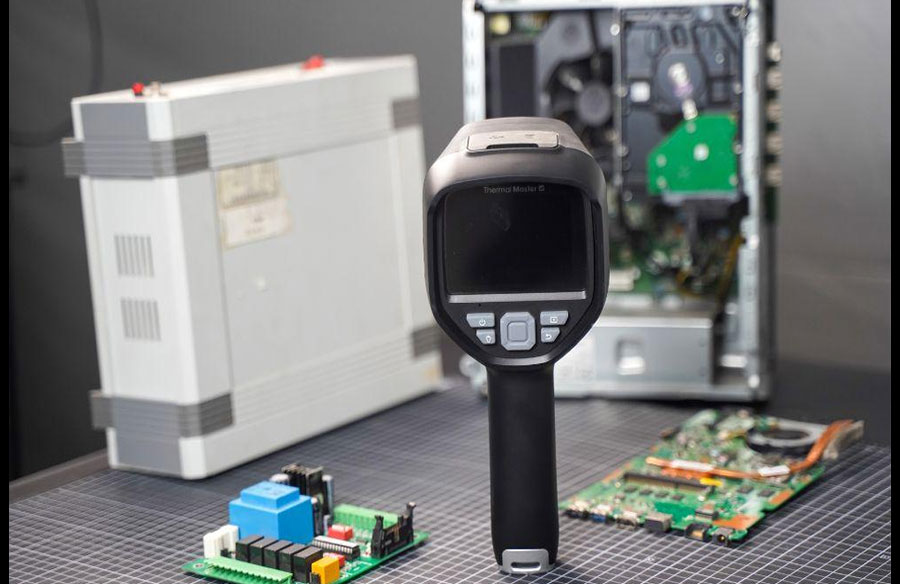
Modern handheld thermal cameras also include built-in AI, making advanced monitoring easier without complex software or setup.
Final Thoughts
AI-powered thermal cameras give maintenance teams something they’ve always needed but rarely had: early, accurate, and consistent warnings before equipment actually fails. They reduce downtime, cut unnecessary service calls, and build a data trail that makes future decisions easier.
If your current maintenance approach relies on fixed schedules or waiting for something to break, thermal imaging with AI is one of the most practical upgrades available right now.