Children’s bodies do not regulate heat as efficiently as adults, which makes them more prone to dehydration and discomfort in hot weather. They also tend to stay active through the day, often spending long hours outdoors, which increases their exposure to high temperatures. A few simple changes in everyday habits can help manage this better and keep them more comfortable.
How Can You Help Children Manage Hydration?
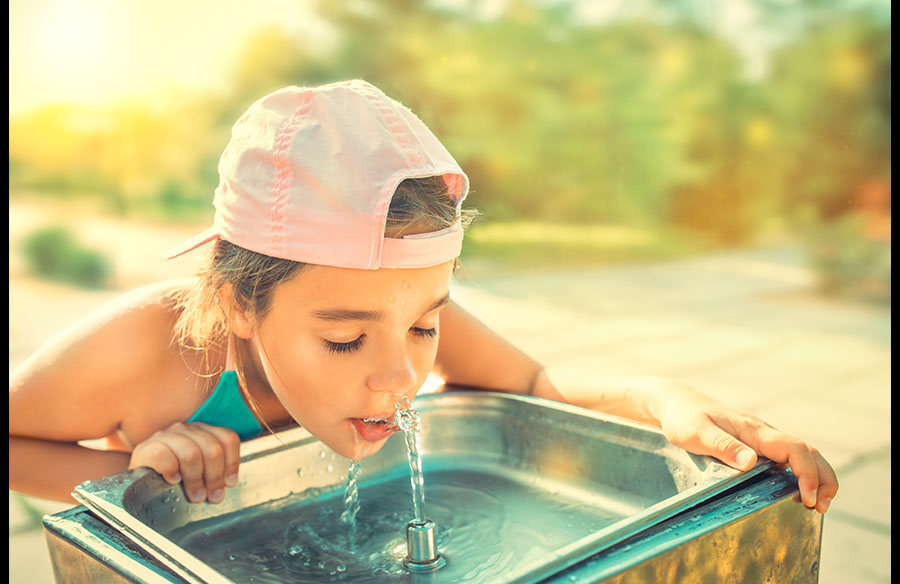
Keeping your child hydrated through the day is one of the easiest ways to deal with rising temperatures. Instead of waiting for them to feel thirsty, it helps to offer fluids at regular intervals.
Here is what you can try including:
- Water at regular intervals
- Fruits with high water content, such as watermelon, oranges, and cucumbers
- Drinks like coconut water or buttermilk to balance fluid loss.
What Should Children Wear in Hot Weather?
Clothing can make a big difference in how comfortable your child feels. Loose clothes made from breathable fabrics allow better airflow and prevent heat from getting trapped.
Cotton is usually a better choice during summer than synthetic materials. When stepping outdoors, a cap or hat can help reduce direct exposure to sunlight and make it easier to stay out for short periods.
When is It Better to Limit Outdoor Activities?
The heat is usually at its peak from around 11 a.m. to 4 p.m., after which it starts to become less intense. Being outdoors during these hours can feel uncomfortable and tiring.
Children can plan outdoor play either early in the morning or later in the evening. If going out during the day cannot be avoided, spending time in shaded areas and taking short breaks indoors can make things easier.
How to Keep Indoor Spaces Comfortable?
A cooler indoor space can help children relax after being outside. Simple things like keeping curtains drawn during the day or using fans to circulate air can improve comfort.
If the heat feels too much, a quick bath with cool water or placing a damp cloth on the skin can help bring the body temperature down.
It is also important to avoid leaving children inside parked cars, even for a short while, as temperatures can rise very quickly.
What Signs of Heat-Related Discomfort Should You Watch For?
Heat-related discomfort often starts with small signs that are easy to miss. Paying attention to these can help you respond early.
You may notice:
- Unusual tiredness or low energy in children
- Dry lips or less frequent urination
- A feeling of dizziness or nausea
Spotting these early makes it easier to take steps before the condition becomes more serious.
How Does Health Insurance Support During Such Situations?
In some cases, heat-related conditions may need medical attention. This could involve a doctor visit, basic tests, or hospital care, depending on how the condition develops.
A health insurance policy helps in managing these medical expenses, depending on the terms and coverage. It may include hospitalisation and related costs if treatment is required.
When reviewing health insurance plans for a family, look at how such situations are covered, as the extent of coverage, limits, and conditions can differ across policies.
Conclusion
Hot weather effects can start showing up in many ways among children. They may seem more tired, eat less, or just not feel as active throughout the day. Keeping them hydrated, dressing them in light clothes, and being a bit careful about when they step out can make things easier.
It also helps to notice any warning signs early, so you can step in before it becomes a bigger concern.