If you own a commercial building or low-slope property, you may be wondering: how long does a modified bitumen roof last?
Modified bitumen roofing has been a popular flat roofing solution for decades because of its durability, weather resistance, and relatively low maintenance requirements.
In this guide, we’ll break down the typical modified bitumen roof lifespan, what affects its longevity, and how to help your roof last as long as possible.
What Is a Modified Bitumen Roof?
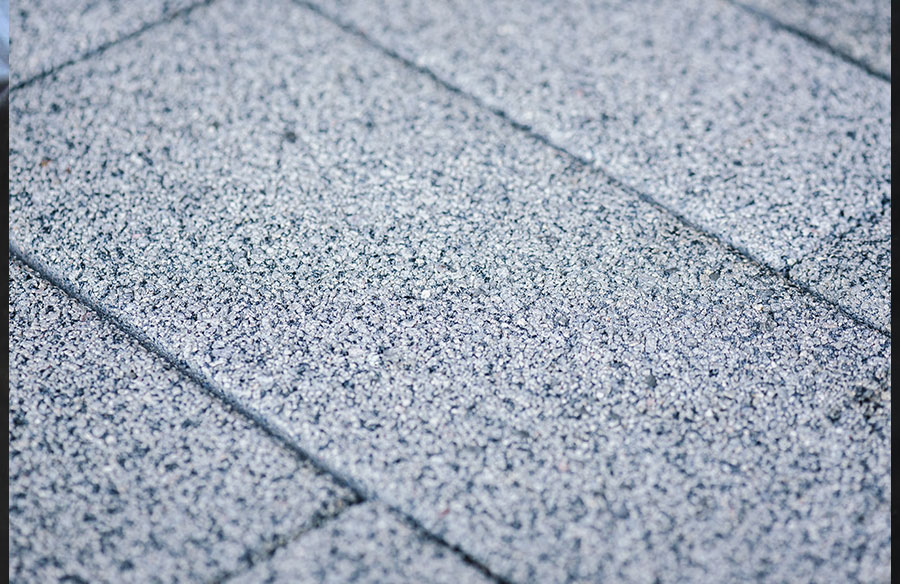
A modified bitumen roof is a type of asphalt-based roofing system designed primarily for flat or low-slope roofs.
It’s made from layers of reinforced asphalt combined with materials like fiberglass or polyester for added strength and flexibility.
Modified bitumen roofs are commonly used on:
- Commercial buildings
- Warehouses
- Apartment complexes
- Garages and low-slope residential roofs
They’re known for handling temperature fluctuations and providing strong waterproofing protection.
How Long Does a Modified Bitumen Roof Last?
On average, the modified bitumen roof lifespan is typically:
- 15 to 25 years with proper installation and maintenance
In some cases, high-quality systems that receive regular inspections and repairs can last even longer.
The exact lifespan depends on several factors, including climate, installation quality, roof traffic, and maintenance.
Bitumen Roof Life Expectancy by Roof Type
There are different types of modified bitumen roofing systems, and the lifespan can vary slightly between them.
APP Modified Bitumen
(APP = Atactic Polypropylene)
- More UV-resistant
- Better for warmer climates
- Typical lifespan: 15–20 years
SBS Modified Bitumen
(SBS = Styrene Butadiene Styrene)
- More flexible in cold temperatures
- Better resistance to expansion and contraction
- Typical lifespan: 20–25 years
What Affects Modified Bitumen Roof Lifespan?
Several factors influence how long your roof will last.
1. Installation Quality
Proper installation is one of the biggest factors in roof performance.
Poor installation can lead to:
- Seam failure
- Water infiltration
- Premature cracking
- Drainage issues
Working with experienced professionals is essential for maximizing roof life.
2. Weather and Climate
Extreme weather conditions can shorten a roof’s lifespan.
Common issues include:
- UV exposure from intense sunlight
- Standing water from poor drainage
- Freeze-thaw cycles in colder climates
- Storm and wind damage
Flat roofing systems perform best when water drains properly, and the membrane is protected from excessive stress.
3. Roof Maintenance
Routine maintenance significantly extends roof life.
Regular inspections help identify:
- Cracks or blisters
- Open seams
- Ponding water
- Flashing issues
Preventive maintenance and advanced commercial roof repair services can address small problems before they become major leaks or structural issues.
4. Foot Traffic
Commercial roofs often experience maintenance traffic from HVAC technicians or other service providers.
Excessive foot traffic can:
- Damage the membrane
- Create punctures
- Weaken seams over time
Walk pads and designated pathways help reduce wear.
Signs a Modified Bitumen Roof Is Near the End of Its Life
Even durable roofing systems eventually show signs of aging.
Watch for:
- Frequent leaks
- Cracking or splitting
- Blisters or bubbles
- Loose flashing
- Ponding water
- Visible membrane deterioration
If repairs become frequent or widespread, replacement may be more cost-effective long-term.
How to Extend the Life of a Modified Bitumen Roof
Here are some practical ways to maximize roof lifespan:
Schedule Regular Inspections
Have your roof professionally inspected at least once or twice per year.
Keep Drains and Gutters Clear
Proper drainage prevents standing water that can weaken roofing materials.
Repair Damage Quickly
Address small issues immediately before they spread.
Limit Roof Traffic
Reduce unnecessary foot traffic and protect high-use areas.
Apply Protective Coatings
Reflective coatings can help reduce UV damage and improve energy efficiency.
Is Modified Bitumen Roofing a Good Investment?
For many commercial and low-slope buildings, yes.
Modified bitumen roofing offers:
- Strong waterproofing performance
- Good durability
- Affordable installation costs
- Easier repair compared to some flat roofing systems
It remains one of the most reliable options for flat and low-slope roofing applications.
Conclusion: Modified Bitumen Roof Lifespan
So, how long does a modified bitumen roof last?
In most cases, you can expect a lifespan of around 15 to 25 years, depending on installation quality, climate, and maintenance.
With proper care, inspections, and timely repairs, a modified bitumen roof can provide long-lasting protection and value for commercial and low-slope buildings.