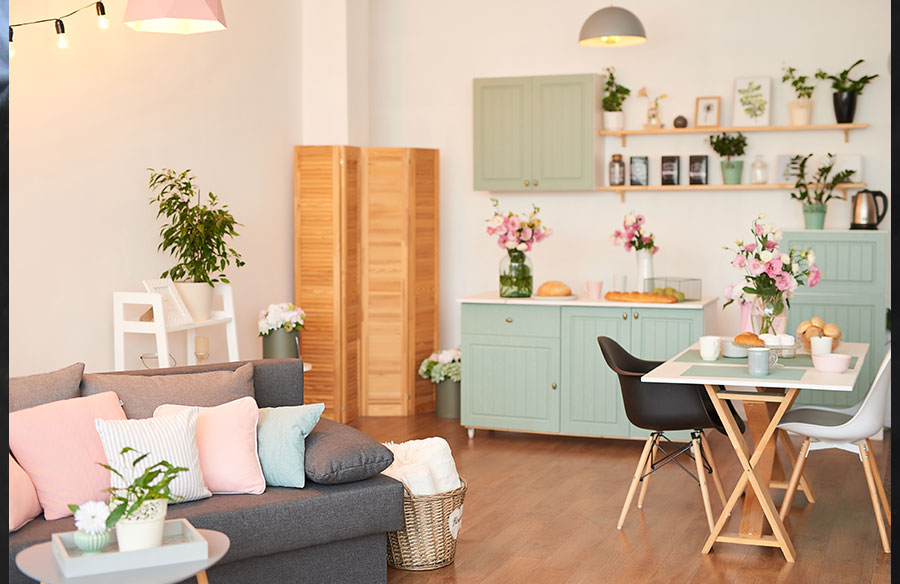
A home can feel off long before anything looks broken. You walk into the living room and the space seems dim, heavy, or colder than it should. Still, the room does not feel comfortable enough right now. Small upgrades can change that faster than a full renovation. Sometimes better light, improved airflow, or house window replacement can make the whole home feel brighter, calmer, and easier to live in.
Why Small Changes Have a Big Impact
Easy ways to improve home comfort can be not small at all because people react to a room before they analyze it. A brighter window, a cleaner frame, or a better light fixture can change the first impression instantly. The room may have the same square footage, yet it feels more open because your eye has less clutter and shadow to fight.
Visual changes also affect how comfortable a space feels. A room with faded trim, cloudy glass, or poor lighting can feel tired even when the furniture is new. Once those details improve, the space starts to feel more intentional and better cared for.
Light and airflow add another layer. A room with fresh air and steady daylight feels easier to sit in, work in, and relax in. Small upgrades are often easier to handle because they solve one specific problem instead of turning the whole house into a construction zone.
Improving Natural Light in Your Home
Natural light changes how a room reads. Start by watching the room during the day. Notice where light enters, where it gets blocked, and which corners stay dull even when the sun is strong.
Next, clear the path around the windows. Heavy curtains, tall furniture, dark shades, dusty glass, and bulky plants can all limit light. A simple cleaning and lighter window treatment can make the room feel cleaner before any larger project begins.
Window condition matters because glass and frames shape the quality of light. Foggy panes, damaged seals, warped frames, or old screens can make sunlight look flat and gray. Better windows can help light enter more evenly while also making the room look fresher.
After that, look at the surfaces around the window. Pale walls, clean trim, mirrors in careful spots, and lighter textiles can help the light travel farther. The goal is a room that feels awake without needing lamps all day.
How Airflow and Insulation Affect Comfort
Comfort depends on how the room holds air and temperature. A stuffy room can feel uncomfortable even when it looks nice. Poor airflow often comes from blocked vents, closed interior doors, heavy furniture, or windows that stick.
Drafts create another kind of discomfort. A small gap near a window can pull outdoor air into the room and make one seat feel colder than the rest. You may keep adjusting the thermostat, yet the real issue sits near the frame or seal.
Temperature consistency matters because people notice uneven rooms quickly. One hot bedroom or chilly office can make the whole home feel less settled. Windows, insulation, airflow, and seals all work together to keep indoor conditions steady.
A practical check helps. Feel around window edges, look for cracked caulk, check weatherstripping, and make sure vents are open. If one room changes temperature faster than the others, that room is giving you useful information.
Upgrades That Make an Immediate Difference
Some upgrades change the feel of a home because they affect what you see and feel every day. Start with the spaces you use most, then focus on the weak point that bothers you the most. Here are some home improvement ideas:
- Updating windows: Newer, better-sealed windows can improve light, reduce drafts, and help rooms keep a steadier temperature. This can change both comfort and appearance.
- Adding better lighting: Replace harsh bulbs, brighten dark corners, and add task lighting where you read, cook, or work. Layered lighting makes rooms more useful.
- Improving ventilation: Clean vents, use fans carefully, and fix rooms that feel stale. Better air movement makes a home feel fresher.
- Refreshing window treatments: Swap heavy curtains or worn blinds for cleaner, lighter options. The room can feel brighter without a major design change.
- Sealing small leaks: Caulk gaps, replace tired weatherstripping, and pay attention to drafty frames. Small air leaks can make rooms feel uncomfortable every day.
Why These Changes Are Worth It
Small upgrades are worth it because they improve the parts of the home you use every day. A brighter kitchen, a less drafty bedroom, or a better-ventilated office changes the routine around it. You feel the improvement during ordinary moments, when guests visit.
Daily comfort has real value. A room that holds temperature well feels easier to relax in. A room with better light feels cleaner and more useful. A room with better airflow feels less stale after long hours inside.
Energy efficiency can improve when a home loses less conditioned air. Better seals, better glass, and improved airflow can reduce the pressure on heating and cooling systems. Those systems still do their job, but they do not have to compensate for every weak spot in the room.
Home appeal also grows when the details feel maintained. Clean lines, steady temperatures, brighter rooms, and fresh finishes make the home feel cared for. Buyers notice those things, and homeowners feel them every day.
Final Thoughts
Small upgrades can completely change how your home feels because comfort lives in daily details. Light, airflow, insulation, seals, and window quality all shape the way a room works. A full renovation may sound tempting, but many homes need focused improvements first.
Start with the rooms that bother you most. Notice where the space feels dark, stale, drafty, or uneven. Then choose upgrades that solve those problems directly. Better windows, smarter lighting, improved ventilation, and repaired air leaks can make a home feel renewed without major disruption.
FAQ
What small upgrades improve a home?
Small upgrades that improve a home include better lighting, updated windows, sealed air leaks, fresh paint, cleaner window treatments, and improved ventilation. These changes affect comfort, brightness, temperature control, and appearance without demanding a full renovation or major construction work.
Do small changes really matter?
Yes, small changes matter because you experience them every day. Brighter rooms, fewer drafts, cleaner finishes, and steadier temperatures can change how comfortable the home feels. A small upgrade often works by removing an irritation you had stopped noticing.
How to improve home comfort quickly?
Improve comfort quickly by sealing small drafts, opening blocked vents, cleaning windows, adding better bulbs, and using shades to manage sunlight. Focus on rooms that feel dim, stuffy, cold, or overheated first because those spaces create the most daily frustration.
What upgrades increase value?
Value-focused upgrades often include window improvements, better lighting, fresh paint, energy-efficient fixes, updated hardware, and repaired air leaks. Buyers usually notice comfort, brightness, and maintained details. Practical upgrades can make a home feel cared for without oversized renovation costs.
Are upgrades expensive?
Upgrades do not have to be expensive. Small fixes like caulking, lighting changes, window cleaning, hardware replacement, and better shades can be affordable. Larger upgrades, such as window replacement, cost more, but they can address comfort, appearance, and efficiency together.