
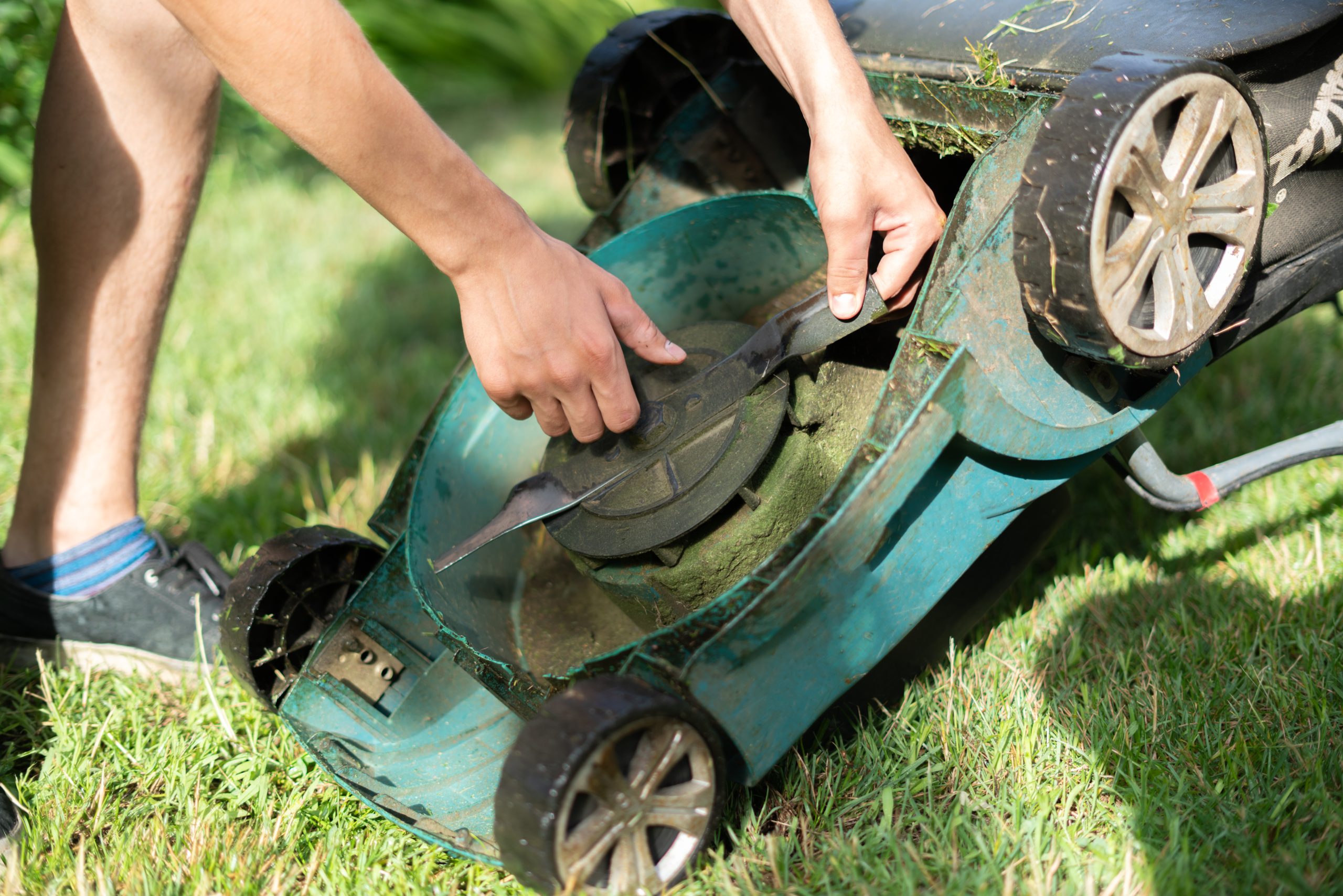
Choosing the right lawn mower blade is one of the most important decisions you can make for maintaining a healthy, well-kept lawn. While many people focus on the mower itself, the blade is the component that directly impacts cutting quality, efficiency, and even the long-term condition of your grass.
With so many options available, it’s natural to wonder which type of lawn mower blade is best, what mower blades professionals use, and whether mulching blades outperform regular ones. This guide will help you understand the key factors to consider so you can make the best choice for your needs.
Understanding Different Types of Lawn Mower Blades
Before deciding which blade to buy, it’s essential to understand the main types available and how they differ in function.
When selecting replacement lawn mower blades, many users focus not only on compatibility but also on how the blade type aligns with their mowing style, since different designs can significantly affect cutting performance and lawn health.
Standard (2-in-1) Blades
Standard blades are the most commonly used option for residential mowing. They are designed for basic cutting and side discharge, making them versatile for general lawn care.
Mulching Blades
Mulching blades are engineered to cut grass into fine pieces that can be redistributed onto the lawn. This helps return nutrients to the soil and reduces the need for bagging.
High-Lift Blades
High-lift blades create strong airflow, lifting grass upright before cutting it. They are ideal for bagging clippings and achieving a cleaner, more uniform cut.
Low-Lift Blades
These blades produce less airflow and are better suited for sandy or dusty environments, where excessive circulation could cause debris issues.
Which Type of Lawn Mower Blade Is Best?
The answer depends largely on your lawn conditions and mowing preferences. There isn’t a single “best” blade for everyone, but there are clear recommendations based on usage:
- For regular mowing: Standard blades are sufficient and cost-effective
- For lawn health and nutrient recycling: Mulching blades are often the best choice
- For bagging clippings: High-lift blades provide superior performance
- For dry or dusty areas: Low-lift blades minimize debris circulation
Understanding your lawn’s needs will help you choose the most suitable blade type rather than relying on a one-size-fits-all solution.
What Cuts Better: Mulching Blades or Regular Blades?
This is one of the most common questions among homeowners.
Mulching Blades
Mulching blades are designed with curved edges and multiple cutting surfaces. They keep grass clippings circulating under the deck longer, cutting them into finer pieces. This results in:
- Better nutrient distribution
- Less visible clippings
- Improved lawn health over time
Regular Blades
Standard blades focus on efficient cutting and discharge. They are ideal when you want to remove clippings quickly, especially for larger lawns or less frequent mowing.
Which Is Better?
If your goal is lawn health and minimal cleanup, mulching blades often outperform regular blades. However, if you prefer faster mowing and bagging, standard or high-lift blades may be more practical.
What Mower Blades Do Professionals Use?
Professional landscapers typically choose blades based on efficiency, durability, and the type of job they’re performing.
Common choices include:
- High-lift blades for bagging and clean finishes
- Commercial-grade mulching blades for maintaining premium lawns
- Heavy-duty standard blades for general-purpose mowing
Professionals often prioritize durability and consistent performance, which is why they frequently invest in high-quality aftermarket blades rather than the cheapest available options.
They also tend to replace or sharpen blades more frequently to maintain optimal cutting results.
Key Factors to Consider When Buying Replacement Blades
Choosing the right blade involves more than just picking a type. Here are the most important factors to evaluate:
1. Compatibility
Always ensure the blade matches your mower’s specifications, including length, width, and mounting hole pattern.
2. Material Quality
Look for blades made from hardened or heat-treated steel. These materials offer better durability and edge retention.
3. Blade Thickness
Thicker blades are generally more durable but may require more engine power. Make sure your mower can handle the blade you choose.
4. Balance
A well-balanced blade reduces vibration and prevents damage to your mower.
5. Cutting Performance
Consider how the blade design affects airflow, clipping size, and overall cut quality.
Why Quality Matters When Choosing Blades
Low-quality blades may seem like a good deal initially, but they often wear out quickly, require frequent sharpening, and can even damage your mower.
High-quality blades, on the other hand:
- Maintain sharpness longer
- Provide cleaner cuts
- Reduce strain on the engine
- Last through multiple mowing seasons
This is why many users prefer sourcing parts from specialized platforms like udcparts, where compatibility and quality are easier to verify compared to generic marketplaces.
Common Mistakes to Avoid
When purchasing replacement blades, avoid these common errors:
- Choosing the wrong size or fit
- Ignoring blade type and lawn needs
- Opting for the cheapest option without considering quality
- Skipping regular maintenance after installation
Taking a few extra minutes to verify details can save you time and money in the long run.
Maintenance Tips for Longer Blade Life
Once you’ve chosen the right blade, proper maintenance is essential:
- Sharpen regularly (every 20–25 hours of use)
- Clean after mowing to prevent buildup
- Inspect for damage such as cracks or bends
- Replace when worn to maintain performance
Proper care not only extends the life of your blade but also ensures consistent cutting quality.
How to Make the Right Choice
To summarize, the best blade for your mower depends on:
- Your lawn size and condition
- Whether you prefer mulching, bagging, or discharging
- The level of maintenance you’re willing to perform
By understanding the differences between blade types and focusing on quality and compatibility, you can confidently choose a blade that meets your needs.
Final Thoughts
Buying the right replacement lawn mower blade is a decision that directly impacts your lawn’s appearance and your mower’s performance. From understanding blade types to evaluating quality and compatibility, every factor plays a role in achieving the best results.
Whether you’re deciding between mulching and regular blades or wondering what professionals use, the key is to match the blade to your specific mowing conditions. With the right choice and proper maintenance, you’ll enjoy cleaner cuts, healthier grass, and a more efficient mowing experience.