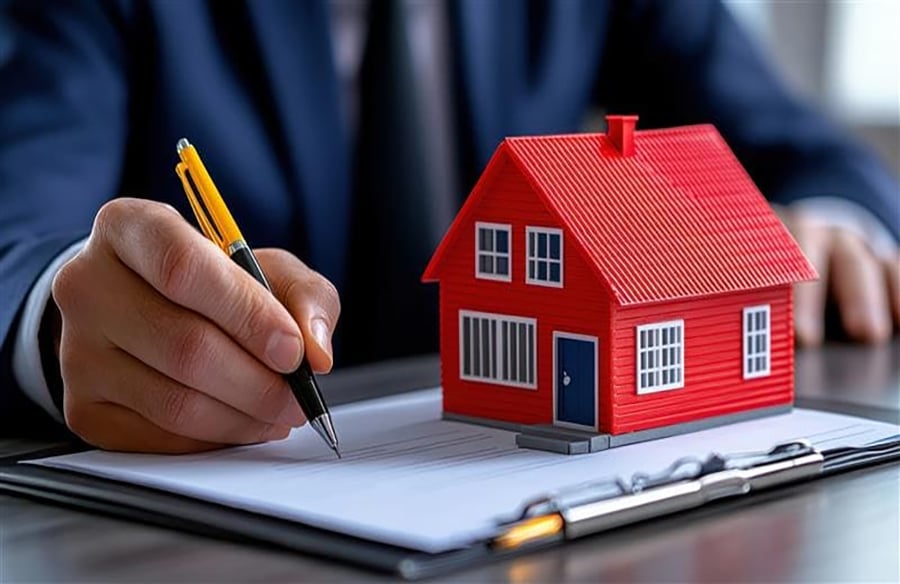
Buying a property is often an emotional experience. A beautiful kitchen, modern finishes, large windows, and polished interiors can instantly create excitement. Many buyers walk into a home and begin picturing their future there within minutes. That first impression can be powerful, but it can also be misleading if appearance becomes the main basis for the decision.
The truth is, a property should never be judged only by how it looks. Fresh paint can cover water damage, cosmetic renovations can distract from structural issues, and elegant staging can make average spaces feel exceptional. What looks impressive during a viewing may not always hold up as a sound financial or practical investment.
This is why experienced buyers look deeper. They know real value is often found in the details that are not obvious at first glance. They evaluate how a property performs, what risks may exist, how it may hold value over time, and whether it truly supports their long-term goals.
Learning how to assess a property beyond visual appeal can save you from expensive surprises later. More importantly, it helps you make a smarter decision based not on emotion alone, but on real understanding.
Look Past Surface-Level Appeal
One of the biggest mistakes buyers make is confusing cosmetic appeal with property quality. A renovated kitchen or designer bathroom may look impressive, but those upgrades do not necessarily tell you anything about the overall condition of the home. Attractive presentation can sometimes distract from more important questions.
Sellers often invest heavily in staging because presentation influences perception. Well-placed furniture, lighting, and decor can make a property feel larger, warmer, and more valuable. That does not mean the property is a bad option, but it does mean buyers should stay focused on what lies beneath the presentation.
A smart buyer appreciates appearance but does not let it drive the whole evaluation. Instead of asking only whether a home looks appealing, ask whether it is well built, practical, and financially sound. That shift changes how you evaluate everything.
A beautiful home can absolutely be a great purchase. The point is to make sure beauty is supported by quality, not used to distract from what should be examined more closely.
Start With Structural Condition
Structural integrity should always be one of the first things you evaluate. Decorative flaws can often be fixed easily, but structural issues can be complicated and expensive. That makes them far more important than cosmetic details.
Pay attention to cracks in walls or ceilings, uneven floors, doors that stick, or windows that do not close properly. These signs may indicate settlement or movement that deserves further review. Even if they turn out to be minor, they should never be ignored.
Roof condition matters just as much. A damaged or aging roof can lead to major repair costs and possible water damage. Exterior drainage, foundation condition, and signs of moisture around the property should also be taken seriously during evaluation.
A property may look perfect on the surface, but long-term value starts with how well the structure itself performs. That is what supports everything else.
Evaluate Plumbing and Electrical Systems
Many expensive property problems are hidden where buyers rarely think to look. Plumbing and electrical systems often fall into that category. Because they are not as visible as finishes or design features, they are often overlooked.
Ask about the age of plumbing and whether major updates have been made. Look for signs of water stains, low pressure, leaks, or moisture issues. These may seem like small concerns, but they can point to bigger repair costs later.
Electrical systems deserve equal attention. Outdated wiring or older panels may create safety concerns and future upgrade expenses. Even homes that look recently renovated may still have aging systems behind the walls.
A property should not only look good, it should function well. And often, that depends on systems buyers do not immediately notice.
Study the Location Carefully
Location affects much more than convenience. It influences long-term value, resale demand, lifestyle, and investment performance. Yet many buyers evaluate location too casually and focus mostly on whether an area seems desirable today.
Look at transportation access, schools, nearby services, healthcare, and employment centers. Consider what supports the area’s long-term appeal, not just its present reputation. Growth patterns and infrastructure improvements can matter as much as current popularity.
Research future developments in the area as well. New projects can increase value, but they can also affect traffic, noise, or neighborhood character. Understanding what may change is part of evaluating wisely.
A property can be upgraded over time. Location cannot. That is why where a property sits often matters just as much as the property itself.
Understand the Neighborhood
Beyond location, the surrounding neighborhood deserves close attention. A home does not exist in isolation. What surrounds it can affect both your daily experience and long-term property value.
Visit the neighborhood at different times and pay attention to noise, traffic, parking, and overall atmosphere. What feels peaceful during a daytime showing may feel very different in daily reality. One visit rarely tells the full story.
Observe nearby properties as well. Well-maintained surroundings often suggest neighborhood stability, while neglect may raise questions worth exploring. These details often influence resale demand more than buyers initially realize.
Sometimes what makes a property a strong investment is not only the house itself, but the quality of the environment around it. That is why the neighborhood should always be part of your evaluation.
Focus on Layout and Functionality
A property may be visually impressive but function poorly for everyday living. This is where layout becomes incredibly important. It often affects long-term satisfaction more than design features.
Think about whether the floor plan works practically. Is there enough storage, natural flow, and usable space? Do room sizes fit how you live? Will the property still support your needs years from now?
Some homes photograph beautifully but feel awkward once you begin thinking through everyday use. Others may seem simpler visually but offer much stronger functionality. Often, the second option becomes the better long-term choice.
Good design is not only about aesthetics. It is about how well a property works in real life. That should always be part of evaluation.
Consider Maintenance Requirements
John Swann, Founder of John Buys Your House, said, “Some properties impress buyers immediately but carry maintenance demands that are easy to underestimate. This can affect ownership costs much more than many people realize.
Older homes may have character but often require ongoing upkeep. Large landscapes may be attractive but expensive to maintain. High-end materials may look luxurious while increasing replacement and repair costs.
A smart buyer thinks not only about buying a property, but about what it will take to own it responsibly. That means understanding the maintenance commitment attached to the purchase.”
A property should fit your lifestyle as well as your budget. And maintenance demands are a major part of that equation, even if they are rarely discussed during showings.
Understand the Full Cost of Ownership
Purchase price is only part of what a property costs. Real evaluation includes understanding what ownership will actually require financially after the transaction is complete.
Property taxes, utilities, insurance, maintenance, repairs, and service fees all affect affordability. Two homes at similar prices can carry very different long-term ownership costs.
This is where many buyers get surprised. A property that looks affordable on paper may feel much more expensive once real ownership costs begin to add up month after month.
Smart buyers evaluate what they can comfortably sustain, not simply what they can qualify to purchase. That often leads to much better decisions.
Think About Resale Value
Even if you plan to stay long term, resale value should still be part of how you evaluate a property. Life changes, and flexibility matters.
Consider how future buyers may view the property. Does the layout appeal broadly? Is the location likely to remain desirable? Are there features that strengthen or limit future demand?
Thinking this way helps you evaluate beyond personal preference. It encourages you to consider whether the property is likely to remain attractive in the market years from now.
Strong resale potential often supports stronger long-term security. And that makes it an important part of evaluating wisely.
Review the Property’s History
A property’s history can reveal information that appearance alone never could. Buyers often overlook this, but it can provide valuable context.
Ask about previous repairs, renovation records, age of major systems, water damage history, and general maintenance. These details often say a great deal about how well a property has been cared for.
A property with clear maintenance history often creates confidence. Repeated issues or unclear records may signal caution. These patterns matter more than many buyers realize.
Sometimes the story of how a property has been maintained tells you as much as the property itself. That is why history should never be ignored.
Get a Professional Inspection
No matter how attractive a property seems, professional inspections remain essential. They often reveal risks buyers would never notice during a showing.
An inspection can uncover roofing concerns, drainage problems, structural issues, electrical risks, or hidden damage. It can also confirm when a property is genuinely in strong condition.
This should never be seen as a formality. It is one of the best protections a buyer can have during the process. It helps replace assumptions with real information.
A strong property should stand up to professional evaluation. And if it does not, that is something you want to know before buying.
Consider Future Potential
Sometimes the value of a property lies not only in what it is today, but in what it can become. Future potential should be part of deeper evaluation.
Can the property be improved, expanded, or repositioned over time? Does the area support long-term appreciation? Are there developments nearby that may strengthen future value?
Some properties make a strong first impression but offer little upside. Others may look modest initially but hold much greater long-term opportunity.
Good property evaluation includes both current condition and future possibilities. That broader perspective often reveals value others miss.
Conclusion
A beautiful property may capture attention quickly, but appearance alone rarely tells the full story. Real value is often found in structure, systems, location, functionality, ownership costs, and long-term potential.
Smart buyers look beyond finishes and first impressions because they understand property decisions are too important to base on visuals alone. They evaluate how a property performs, what risks may exist, and how well it supports future goals.
The best property is not always the one that looks most impressive during a showing. Often, it is the one that remains practical, dependable, and financially sound over time. And that kind of value is usually found by looking well beyond looks.