Sustainable building design is no longer limited to energy efficiency and materials, it increasingly depends on how core systems, especially plumbing, are planned and integrated. Plumbing systems directly influence water consumption, energy use, and long-term environmental impact. In modern construction, they are not just functional components but essential contributors to sustainability goals.
As buildings in Australia and globally move toward greener standards, plumbing design has become a critical factor in reducing resource use while maintaining comfort and performance. From water conservation to energy-efficient heating, these systems play a central role in shaping how sustainable a building truly is.
Water Efficiency as a Core Design Principle
Water conservation is one of the most important aspects of sustainable plumbing design. Systems are now built to reduce waste while maintaining functionality through technologies such as low-flow fixtures, dual-flush toilets, and efficient distribution networks.
These innovations significantly reduce overall water consumption without compromising user experience. Sustainable plumbing systems are designed to minimise water waste and support long-term conservation efforts, which is particularly important in regions like Australia where water scarcity can be a concern.
By integrating water-efficient solutions early in the design process, buildings can achieve lower operating costs and a reduced environmental footprint over time.
Integrating Recycling and Reuse Systems
Modern plumbing systems go beyond simple supply and drainage, they increasingly include water reuse strategies. Greywater systems, for example, allow water from sinks, showers, and laundry to be treated and reused for irrigation or flushing.
Rainwater harvesting systems are another key feature, capturing water that would otherwise be lost and repurposing it for non-potable uses. These approaches reduce reliance on mains water and improve overall system efficiency.
In sustainable building design, these systems are not optional additions, they are becoming standard features that support both environmental responsibility and long-term cost savings.
Supporting Energy Efficiency Through Plumbing Design
Plumbing systems also play a significant role in energy efficiency, particularly in how water is heated and distributed. Inefficient hot water systems can waste both energy and water, especially when pipes are poorly insulated or layouts are not optimised.
Energy-efficient plumbing design includes insulated piping, strategic placement of water heaters, and the use of systems that minimise heat loss. In some cases, renewable energy sources such as solar water heating are integrated into plumbing systems to further reduce environmental impact.
These improvements contribute to lower energy consumption and reduced greenhouse gas emissions, aligning plumbing systems with broader sustainability goals.
Designing Systems for Long-Term Performance
Sustainability is not just about immediate efficiency, it also involves long-term durability. Plumbing systems that require frequent repairs or replacements contribute to waste and increased resource consumption.
Selecting high-quality, durable materials and designing systems that are easy to maintain helps extend their lifespan. This reduces the need for replacement parts and minimises the environmental impact associated with manufacturing and disposal.
Working with an experienced plumber in Heathmont ensures that systems are installed correctly and designed to perform efficiently over time, reducing the likelihood of future issues.
Reducing Environmental Impact Through Smart System Design
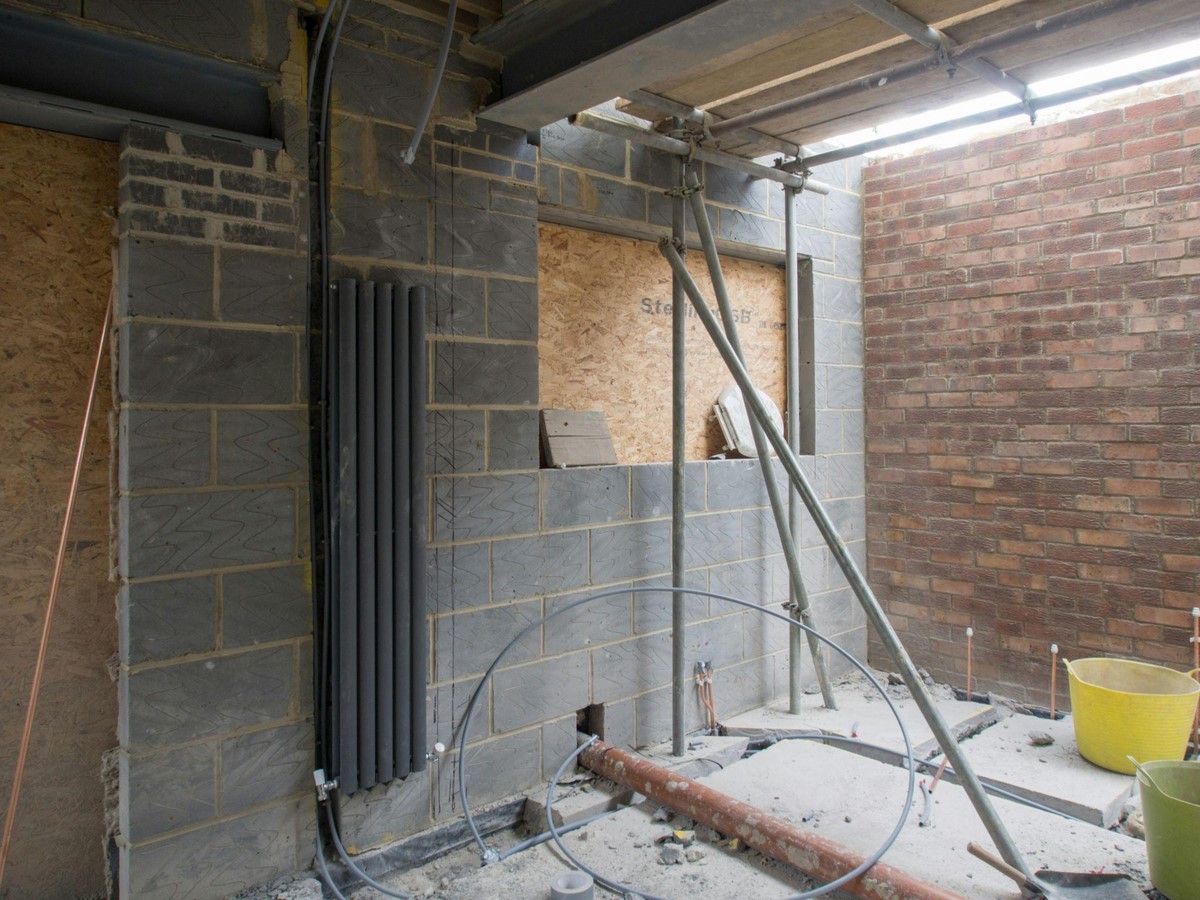 The environmental impact of plumbing extends beyond water use. Materials, system design, and installation methods all contribute to a building’s overall carbon footprint.
Research shows that building drainage systems can significantly influence embodied carbon, with optimized system designs reducing emissions by up to 73% depending on configuration and materials used.
This highlights the importance of considering sustainability at every stage of plumbing design, from material selection to system layout.
The Role of Innovation in Modern Plumbing Systems
Technological advancements are transforming how plumbing systems are designed and managed. Smart leak detection systems, automated water monitoring, and IoT-enabled controls allow for real-time tracking of water usage and system performance.
These innovations help identify inefficiencies early, prevent water loss, and improve overall system management. In sustainable buildings, this level of control is essential for maintaining efficiency over time.
As technology continues to evolve, plumbing systems are becoming more intelligent and responsive, further enhancing their role in sustainable design.
Australian Standards and Sustainable Building Practices
Sustainable plumbing design in Australia is guided by national standards and codes that ensure safety, efficiency, and environmental responsibility. The Australian Building Codes Board oversees the National Construction Code, which includes requirements for plumbing and drainage systems.
These standards encourage the use of efficient systems, proper installation practices, and compliance with environmental guidelines. Aligning plumbing design with these standards ensures that buildings meet regulatory requirements while supporting sustainability objectives.
Following these guidelines also helps maintain property value and ensures that systems perform reliably over time.
Why Plumbing Is Central to Sustainable Construction
Plumbing systems are often overlooked in discussions about sustainability, but they are one of the most impactful components of building design. They influence water conservation, energy efficiency, environmental impact, and long-term operational costs.
When designed correctly, plumbing systems do more than deliver water and remove waste, they actively contribute to healthier, more efficient, and more sustainable buildings.
As sustainability becomes a priority in construction, the role of plumbing will continue to grow, shaping how buildings are designed, built, and maintained for the future.