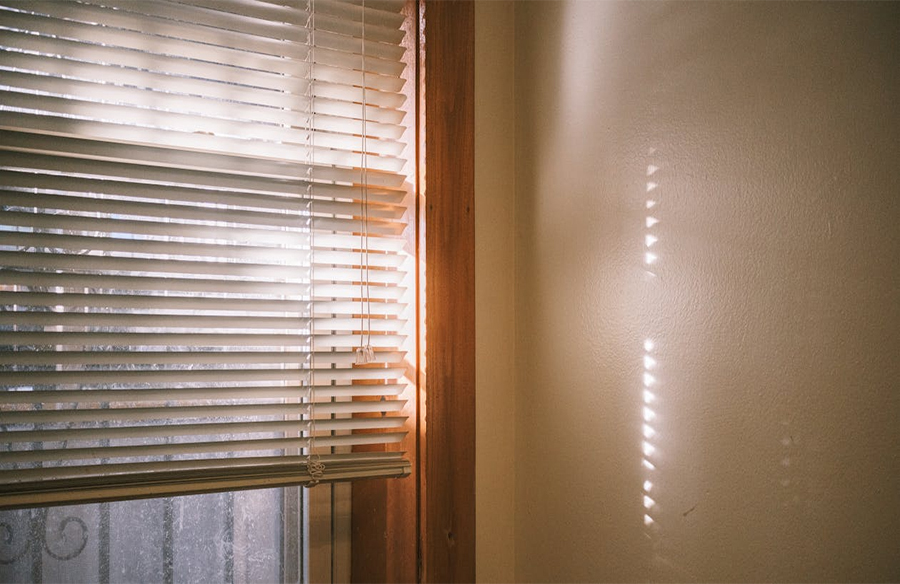
Rising utility costs are driving measurable changes in homeowner behavior, with more households prioritizing practical upgrades that can improve comfort without the expense of a major renovation. Factory Direct Blinds reports increased demand for cost-efficient window solutions as consumers become more selective about where home improvement dollars go. The shift is closely tied to performance: the company notes that about 30% of a home’s heating energy is lost through windows, while tightly installed cellular shades can reduce heat loss by 40% or more in winter and cut unwanted solar heat gain by up to 60% in summer.
Rising Energy Costs Are Driving Measurable Changes in Consumer Behavior
Higher monthly bills are pushing homeowners toward more selective spending, with greater attention on products that can help reduce energy use over time. In that environment, window coverings are increasingly being viewed not only as decorative products but as functional tools that can support long-term household savings when used effectively.
A study on low-energy shading supports that shift. Industry-backed research notes that if energy use in buildings were managed efficiently, costs could be reduced by as much as 10%, which helps explain why practical shading solutions are gaining more attention in the current market.
Home Improvement Trends Shift Toward Cost-Efficient Upgrades
The current cycle in home upgrade spending favors smaller, more targeted improvements over disruptive renovation work. For many households, the appeal lies in choosing enhancements that are easier to implement, easier to justify financially, and more closely tied to day-to-day comfort.
That logic also aligns with EPA renovation guidance, which frames energy-related upgrades alongside indoor environmental quality and occupant comfort. In other words, homeowners are not only thinking about efficiency in isolation, but about how a space feels and performs after the work is done.
Window Treatments Emerge as a Data-Backed Energy Solution
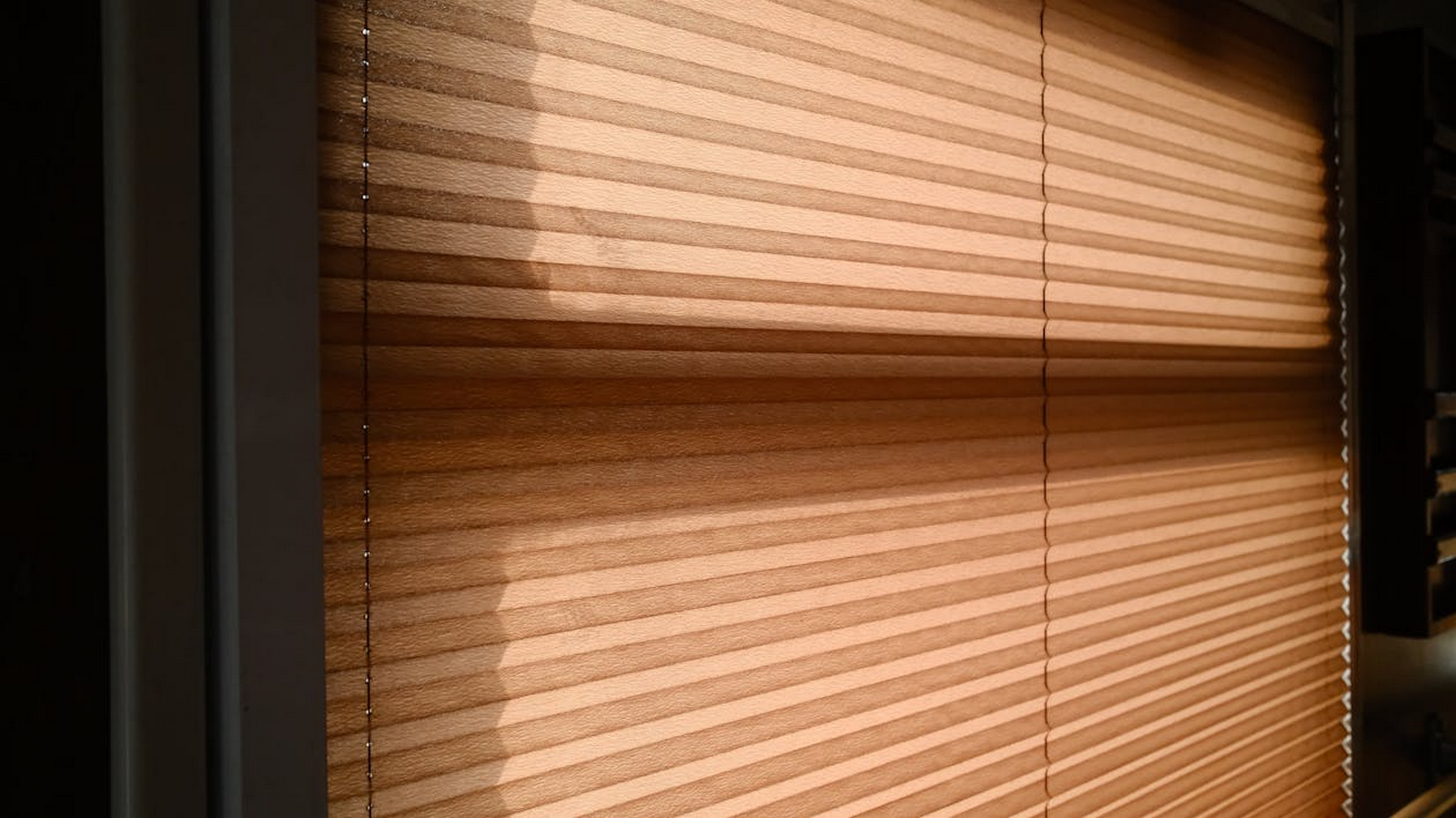
Window treatments, including blinds and shades that improve light control and insulation, are drawing stronger interest because they sit at the intersection of comfort and performance. A Rocky Mountain Institute study found that, in modeled existing homes, insulating shades had the potential to deliver maximum home energy savings of 16% in Miami, 17% in Phoenix, 12% in Washington, DC, and 10% in San Francisco, with modeled annual bill savings reaching as high as $830 in Phoenix.
The same study also found added performance benefits beyond annual energy use. In Denver, modeled peak electrical demand fell by 15% in an existing home, while summer comfort improved to the point that occupants could perceive conditions similar to air temperatures about 2°F lower. That kind of result helps explain why window treatment trends and window covering trends are increasingly tied to performance rather than style alone.
Factory Direct Blinds Provides Insight Into Growing Demand
According to Factory Direct Blinds, more shoppers are asking focused questions about heat control, material performance, and how different coverings fit into a cost-conscious modern home lifestyle. The company says demand is increasingly driven by practical concerns such as comfort, light management, and long-term value, rather than by appearance alone.
- Buyers are placing more weight on products that solve several problems at once.
- Efficient coverings are being treated more like functional home upgrades than optional finishing details.
Urban Living and Space Constraints Are Accelerating Demand
The trend is especially relevant in homes shaped by small space living, where each design choice has to work harder. In compact interiors influenced by urban living trends, window solutions can improve privacy, reduce glare, and support temperature control without taking up additional floor space.
Outlook for 2026: Continued Growth in Efficiency-Driven Solutions
Looking ahead, demand is likely to remain focused on practical upgrades that combine visible everyday comfort with long-term cost control. If consumers continue to prioritize adaptable, performance-led products, trending window blinds and other efficiency-oriented coverings should remain closely tied to broader window treatment trends in 2026.
About Factory Direct Blinds
Factory Direct Blinds is a direct-to-consumer provider of custom blinds and shades for residential spaces. The company focuses on affordable, practical window solutions designed to support modern home upgrades with a strong balance of usability, comfort, and value.