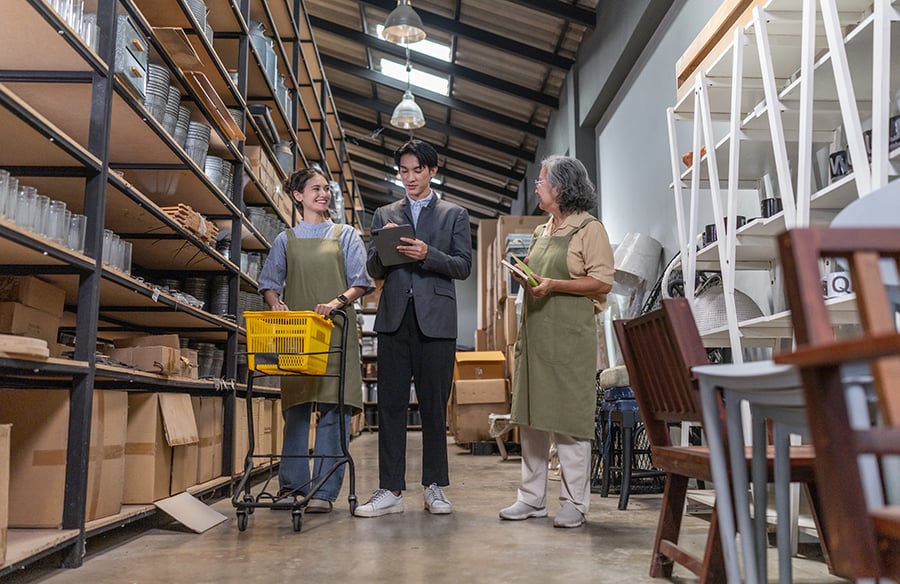
Managing furniture, artwork, and decor for multiple projects can quickly become overwhelming. An interior design receiving warehouse provides a dedicated space to coordinate, inspect, and store items before they reach a client’s property. This service streamlines logistics and ensures that every piece arrives in perfect condition.
Understanding the Role of a Receiving Warehouse
In simple terms, a receiving warehouse acts as the central hub for all incoming furnishings and design materials. It is where shipments are checked for accuracy, condition, and quality before being delivered to their final destination. This process minimizes mistakes and delays during installation.
Without such a facility, designers often face challenges with damaged items, misplaced deliveries, or limited space to store pieces safely. A warehouse designed for interior design logistics solves these issues efficiently.
Key Functions of a Receiving Warehouse
The main goal of an interior design receiving facility is organization and security. Each step, from arrival to delivery, follows a structured system that supports the designer’s workflow.
- Inspecting every shipment for damage or defects upon arrival.
- Cataloging and photographing items for accurate records.
- Providing climate-controlled storage for sensitive materials.
- Coordinating delivery schedules for installation days.
- Offering assembly or repackaging services when needed.
When these tasks are handled by professionals, designers can focus on creative decisions rather than logistics.
Benefits for Interior Designers
Using a specialized warehouse saves valuable time and reduces stress. Instead of juggling multiple vendor deliveries, everything arrives at one secure location. Staff verify quantities and conditions, ensuring nothing is missing or incorrect before the project deadline.
Designers also gain flexibility. Items can be stored until the client’s space is ready, preventing clutter and potential damage at the site. This control over timing helps maintain a polished and professional installation process.
Choosing the Right Facility
When selecting a warehouse, it is important to evaluate the space, staff experience, and communication process. A reliable warehouse should provide transparent updates and clear documentation for every item received. Accessibility and security standards also matter, especially for high-value pieces.
Searching for an interior design receiving warehouse near me can help identify local partners with the right combination of space and service. Many designers prefer proximity for easy coordination and faster response times.
How Warehousing Enhances Client Experience
Behind every successful installation is careful planning and storage management. Clients rarely see the warehouse operations, yet they benefit from the organization it provides. A well-managed receiving process ensures that each piece arrives clean, intact, and ready to place.
Designers who use such facilities often deliver smoother, more predictable results. The difference lies in preparation, attention to detail, and the ability to handle unforeseen challenges before items ever reach the project site.
Integrating Warehousing into the Design Process
Incorporating a warehouse into the project timeline from the start allows for better coordination with vendors and installers. Designers can plan deliveries in stages, ensuring that each component arrives exactly when needed. This reduces last-minute pressure and keeps projects on schedule.
Ultimately, a dedicated receiving warehouse is more than just storage. It is a logistical partner that supports creativity by managing the behind-the-scenes details, helping designers maintain quality, order, and peace of mind throughout every project.