
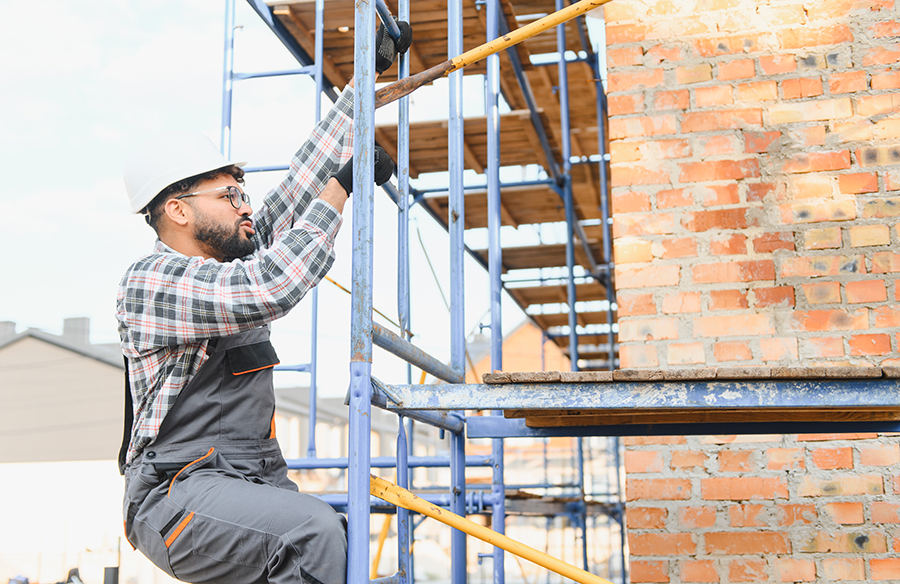
If you’ve ever worked on scaffolding, you know it can be tricky. You have to be more aware of your footing and balance at all times. And even if you’ve been doing this job for years, you can feel the height.
Scaffolding is definitely a big part of most construction work, but it also introduces real risk. According to safety data across the industry, falls from scaffolds remain one of the leading causes of serious construction injuries. What’s important to understand, though, is that these incidents rarely happen out of pure bad luck. Most scaffold accidents stem from preventable conditions.
If you want to protect yourself, it helps to understand where things most often go wrong.
Here are five common causes of scaffold-related accidents on construction and job sites.
-
Falls From Height
When people think of scaffold accidents, they usually picture dramatic collapses. In reality, many injuries happen during routine movements where you’re reaching too far to grab a tool or stepping backward without realizing how close you are to the edge.
Falls are the most common cause of scaffold-related injuries, and they’re often tied to subtle lapses rather than reckless decisions. Sometimes guardrails are missing or harnesses aren’t used because workers want to move quickly. There are plenty of “reasons” why.
What makes falls particularly dangerous is how quickly they can escalate. A slip that might result in a bruise on the ground can become a spinal injury when it happens twenty feet in the air. That’s why you have to take this seriously.
-
Improper Assembly and Structural Instability
Scaffolding is engineered equipment. It requires proper leveling, secure bracing, adequate anchoring, and adherence to weight ratings. When any of those components are rushed or overlooked, the structure can easily become unstable. That instability may not be obvious at first, as it might lean slightly or shift more than expected. Workers may continue using it because it “feels okay.” But scaffolds that aren’t assembled correctly can collapse without warning.
On busy job sites, there’s a lot of pressure to meet deadlines. This can cause crews to quickly set up scaffolding without taking the proper precautions. However, when scaffold assembly is treated as a secondary task rather than a critical structural build, the margin for error shrinks. If you ever step onto a platform that feels uneven or inadequately secured, don’t hesitate to speak up and do something about it.
-
Falling Objects From Above
Not every scaffold injury involves falling from height. Many involve being struck by something that falls.
Construction sites operate in layers. You may be working below while someone else installs materials above. Tools can slip and materials can roll unexpectedly. Without proper toe boards, debris nets, and secure storage practices, falling objects become a serious hazard.
This is where protective equipment plays a central role. Every single person on the job site needs the proper PPE in order to avoid injury. They are direct safeguards against injuries that can occur without warning. If you’re working on a scaffold, securing your tools protects others below.
-
Overloading and Weight Mismanagement
Scaffolds are designed to carry specific loads, and exceeding those limits can destabilize the entire structure. Overloading can happen gradually – so don’t always expect it to be obvious.
The problem is that scaffolds don’t always fail instantly when they’re overloaded. They may flex, weaken, or subtly shift before reaching a breaking point. By the time visible signs appear, the risk is already high.
-
Weather Conditions
Even a properly assembled, correctly loaded scaffold can become hazardous when weather conditions change. For example, rain can kill traction on scaffolding (even when proper workboots are worn). But even if it’s dry, all it takes is high winds to create some instability and increase the risk of an injury.
Before climbing up scaffolding, it’s important to assess current conditions, not just the scaffold itself. If you don’t, you could find yourself in a higher-risk scenario once you’re elevated on the platform.
When Liability Extends Beyond Workers’ Compensation
Even when you follow safety protocols, accidents sometimes occur because someone else failed in their responsibilities – e.g. a subcontractor may have assembled the scaffold improperly, or a property owner may have ignored safety violations.
In these cases, workers’ compensation often provides initial medical coverage and partial wage replacement. However, those benefits are typically limited. As Lipsig Law notes, “Workers’ compensation provides limited benefits, but we also pursue third-party claims against owners, general contractors, subcontractors, property managers, and equipment providers when their negligence or violations have caused the fall. These claims can deliver the broader compensation you need when a permanent injury keeps you off the job.”
If a scaffold injury results from negligence beyond your employer’s control, additional legal avenues may be available. Understanding that distinction can be important if you’re facing long-term recovery or permanent disability.
The Common Thread
Working at elevation will always carry risk. But understanding the most common causes of scaffold accidents gives you the awareness to manage that risk intelligently and protect yourself on every climb.