If you’ve lived in Columbia for any length of time, you already know wildlife isn’t something you only see in parks or wooded areas. It shows up in neighborhoods, on rooftops, and sometimes inside homes.
Most homeowners assume animals “break in.” That’s rarely what’s happening.
In reality, they’re using gaps, weaknesses, and aging parts of the structure that were already there. The house doesn’t fail all at once. It gives animals just enough access, and they take it.
After working with properties across the Columbia area, the same problem spots come up again and again. And once you know where to look, the pattern becomes obvious.
In many cases, these issues aren’t isolated to one home. They show up across different neighborhoods in Columbia, and you can get a better sense of how common they are by looking at the areas where these problems are frequently reported. See the map below if you are looking for wildlife removal services near you:
Rooflines That Don’t Look Damaged
From the ground, most roofing materials look fine. A few worn shingles, maybe some discoloration, nothing that feels urgent.
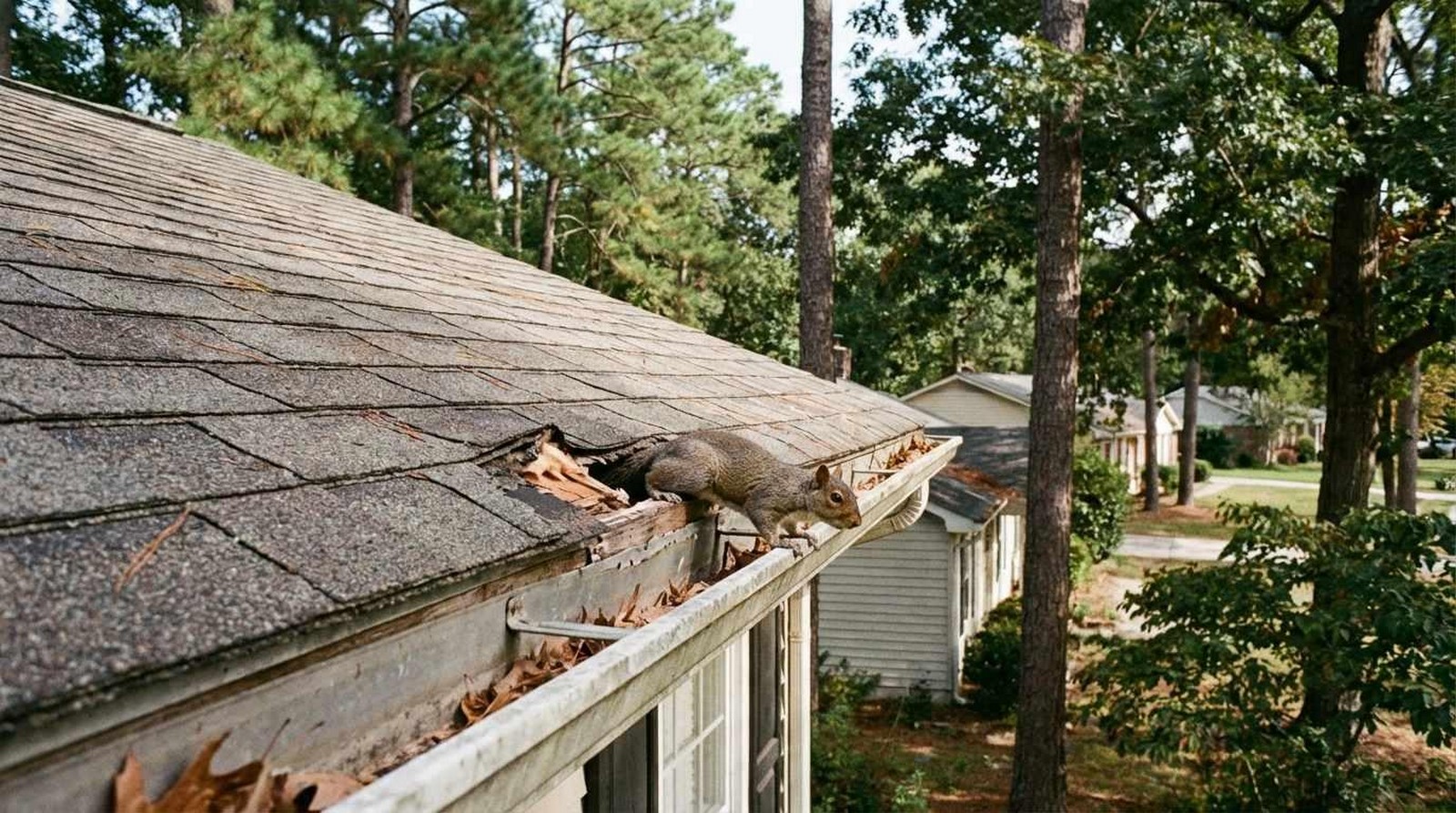
But animals don’t need visible damage. They look for soft edges, lifted seams, and areas where materials have loosened just enough to pry open.
Squirrels are especially aggressive here. They don’t just find openings, they create them. A small gap near the edge of a roof can turn into a full entry point in a day or two. Once they get into the attic, they don’t leave quietly. They nest, chew, and keep coming back.
That’s usually the point where homeowners realize the issue isn’t temporary. It turns into something that requires proper squirrel removal services in Columbia, not just patchwork repairs.
The real fix is reinforcing those weak sections before animals ever get that chance.
Attic Vents That Were Never Meant to Keep Animals Out
Most vents are designed for airflow, not security. Over time, the covers weaken. Screens rust. Fasteners loosen. That’s all it takes.
Raccoons are strong enough to tear through compromised vent covers without much effort. Bats don’t need to tear anything; they slip through openings you wouldn’t even notice unless you were inches away.
Once animals get into an attic, the space works in their favor. It’s warm, quiet, and protected. Insulation gets torn apart, droppings build up, and the problem grows before anyone realizes what’s happening.
A lot of homeowners in Columbia don’t discover this until they hear movement at night or notice a smell they can’t explain.
Chimneys That Stay Open Year-Round
An uncapped chimney is one of the easiest access points a house can have. It’s vertical, sheltered, and rarely checked.
Raccoons use chimneys like safe nesting spaces, especially during breeding season. Opossums end up there too, usually looking for a place to stay hidden during the day.
And then there are birds and bats. Smaller, but just as problematic once they settle in.
It’s not just about animals being inside. Blocked chimneys can affect airflow, and nesting material increases fire risk. What looks like a minor oversight becomes a serious issue pretty quickly.
A properly fitted chimney cap solves most of this, but it has to be installed and maintained. A loose or damaged cap doesn’t do much.
Crawl Spaces That Never Get Checked
Crawl spaces in Columbia homes are easy to ignore. Out of sight, out of mind.
That’s exactly why animals use them.
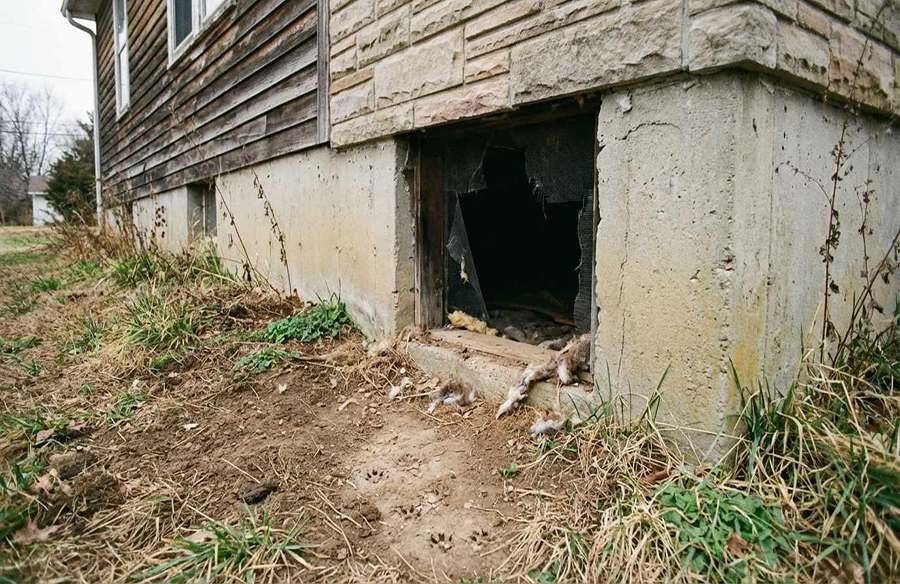
Gaps along the foundation, loose vent covers, or areas where the soil has shifted create entry points that go unnoticed for months. Opossums move in quietly. Rodents follow. And once they’re in, they don’t stay in one place.
Rodents, especially, will spread from crawl spaces into walls and ceilings. That’s when the damage becomes expensive. Wiring gets chewed, insulation gets destroyed, and contamination becomes a real concern.
By the time someone checks the crawl space, the problem is usually bigger than expected.
Soffits and Eaves That Slowly Break Down
These areas don’t fail overnight. Moisture, heat, and age wear them down little by little.
At first, it’s just soft wood or slight separation. Then, animals start testing those spots.
Squirrels and raccoons will chew through weakened soffits to get into attics without ever touching the main roof. It’s quieter, less visible, and easier for them.
Most homeowners never look up there closely enough to catch it early. They only find out after the noise starts or damage shows up inside.
Why These Problems Keep Repeating in Columbia
 Columbia sits in a region where wildlife and residential areas overlap constantly. Trees, water sources, and mild winters make it easy for animals to stay active year-round.
So when one entry point gets used, others aren’t far behind.
That’s why temporary fixes don’t hold up. Sealing one gap without addressing the rest of the structure just shifts the problem somewhere else.
Homeowners dealing with repeat issues usually reach a point where patching things up isn’t enough. That’s when they start looking for proper wildlife removal in Columbia, SC, not just to remove the animals, but to figure out why they got in to begin with.
What Actually Works Long-Term
The houses that avoid repeat problems aren’t necessarily newer or more expensive. They’re maintained differently.
Rooflines get checked before they fail. Vents are reinforced, not just replaced. Chimneys are capped properly. Crawl spaces are inspected, even when nothing seems wrong.
It’s consistent attention to small details that keeps animals out.
And in a place like Columbia, those details matter more than most people think.
Why Homeowners Trust Blythewood Wildlife Removal for Long-Term Solutions
What most homeowners don’t realize is that wildlife issues rarely stay small. A single entry point turns into repeated visits. One animal turns into several. And the longer it goes unchecked, the more the structure itself starts to suffer.
In Columbia, this isn’t unusual. Between the tree cover, older neighborhoods, and seasonal weather shifts, homes are constantly exposed to the kind of wear that animals take advantage of. It’s not about whether a house is “nice” or “well-built.” Even well-maintained homes develop weak spots over time.
The difference is in how early those spots are found and how thoroughly they’re handled.
That’s where working with a local team makes a real difference. Companies like Blythewood Wildlife Removal deal with these exact conditions every day. Not just removing animals, but tracking how they got in, identifying the structural issues behind it, and making sure those same entry points don’t keep getting used. It is different from pest control, which requires the use of chemicals and pesticides. You can choose the service depending on your needs.
Homes in Columbia don’t need to be sealed off from nature completely. But they do need to be built and maintained with the understanding that wildlife is always nearby, always looking, and always ready to take advantage of the smallest opening.