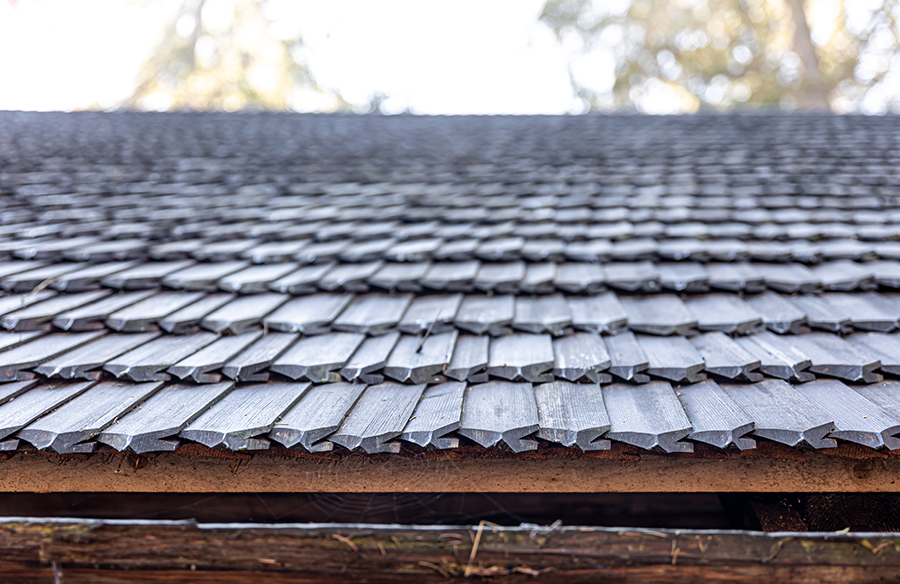
There’s something quietly powerful about looking up at a roof and realizing it’s doing more than just keeping the rain out. It’s protecting, insulating, reflecting, and in many cases, contributing to a more sustainable future. Roofing has evolved far beyond its basic function, and today it sits at the intersection of design, environmental responsibility, and long-term thinking. When we talk about making our world a better place, the things we use to build our homes and offices are really important. One thing that’s often forgotten is what we put on our roofs. But actually, roofing is a big deal for saving energy, using fewer resources, and even helping cities deal with extreme weather.
Why Roofing Choices Matter More Than You Think
The term sustainability, when discussing the construction industry, typically conjures images of eco-friendly products such as solar panels or low-E glass. Rarely does roofing receive any consideration in discussions of sustainable building practices. In reality, the roofing system can play a significant role in a building’s sustainability and lifespan. The choice of roof covering can affect both the service life of a structure and its energy consumption by influencing how much heat it absorbs or rejects. By choosing roofing materials with high solar reflectance, energy, money, and the environment can be saved through reduced cooling costs, longer roof life, and reduced waste. The sustainable roofing trend is taking off, and it’s no wonder why. Sustainable roofs can benefit the environment and the bottom line.
The Rise of Sustainable Roofing Materials
Modern roofing materials are being designed with both performance and environmental impact in mind. These options go beyond traditional shingles, introducing durability, recyclability, and energy efficiency.
Metal Roofing
Metal roofing has gained significant traction in recent years, and for good reason. It is highly durable, often lasting 40 to 70 years, and is typically made from recycled materials. At the end of its life cycle, it can be recycled again, reducing landfill waste.
In the middle of planning a project, many homeowners find themselves consulting a trusted metal roofing contractor to understand better how these systems can integrate with their design goals while improving long-term sustainability.
Metal roofs also reflect solar heat rather than absorbing it, which can significantly reduce cooling costs in warmer climates. This reflective property makes them an excellent choice for energy-conscious designs.
Green Roofs
While often considered in the context of green roofs, where plants are integrated into roof construction, these systems can provide temperature cycling, manage stormwater runoff, improve air quality, and provide habitat for wildlife. Green roofs can be more expensive to install and maintain than regular roofs, but they offer numerous environmental benefits. Green roofs are often sought in urban areas because of the severe shortage of green spaces.
Solar Roofing
The Solar roofing industry is quickly emerging as a major sector in the solar industry, with the innovative idea of integrating energy production into your home’s roof. Solar shingles or solar tiles, also known as solar roofing, integrate into your roof during installation rather than adding an additional layer to your home. These Solar Panels are a very simple and chic way to harvest energy while keeping things minimal. They pay for themselves over time with the energy you save.
Recycled and Composite Materials
Roofing products made from recycled materials are growing in popularity and can offer the same characteristics as natural roofing materials, while also providing durability and environmental benefits. They also come in a variety of colors and can resemble traditional roofing materials. Some roofing materials and capping systems made from recycled content are made from rubber, plastic, and wood fiber. They are weather-resistant and offer a low-maintenance solution for the future-minded designer.
Designing with Longevity in Mind
So-called ‘sustainable materials’ are often discussed, but it is often overlooked that “sustainable” is far more than a product’s evaluation at the point of purchase. Once all products appear equal in terms of performance and quality, we must consider how they perform over the long term. This roof has a 15-year lifespan. Although it may be a good choice for a short-term project, it is less sustainable than a roof that will last 50 years. Durability reduces waste (excess material), maintenance costs, and environmental impacts associated with production and maintenance (durability of the finish) and distribution (weight of the material). Select durable materials appropriate for the local climate. While choosing materials with a good environmental story is important, it means nothing if they are not installed properly. So we should also consider the quality of the building, including the design and the construction.
Energy Efficiency and Climate Impact
While many people are unaware of the full extent of a roof’s responsibilities, it is designed to do more than protect people and their belongings from the weather. In recent years, cool roofs have been developed that keep buildings and their surroundings cool by reflecting more sunlight and absorbing less heat. We can also suggest many of our roofing options, which are energy-efficient and can help reduce your need for air conditioning. So you’ll save on your electricity bills too! Our philosophy: it’s the small changes to help achieve our ultimate goal – sustainability.
Balancing Aesthetics and Sustainability
Sustainable design used to be a dirty word. It meant compromised aesthetics in the past. But sustainable roofing doesn’t have to mean ugly architecture. Not anymore. Roofing options are not limited to modern metal or eco-friendly green roofing. There is a roofing style for a classic soul. Roofing can be viewed in two ways. Roofing is a building component, a barrier to weather between a building and the atmosphere. But roofing is also an architectural feature that adds form, character, and expression to a building while providing environmental benefits.
The Future of Roofing
As technology rapidly advances and sustainable building practices become more prevalent, the roofing industry is responding to the need for innovative, environmentally friendly designs. Advanced roofing materials, energy-harvesting systems, and even building-monitoring equipment will all play a larger role in roofing design. Take a peek at what the next-generation roof will look like. Roofs used to be simple things that just kept the rain off your head. Not anymore. They can also generate energy, manage water, supply clean air, and change state depending on the circumstances. We have grown from regarding the building as a static entity embedded in the environment to perceiving it as a system interacting with its surroundings, and now we consider the immediate external system simply part of a broader context.
Final Thoughts
The use of sustainable roofing materials is fast becoming not only a key consideration in good building design but an inevitable aspect of construction practice that will become the norm over the coming years. Our Homes are built with durable, energy-efficient materials and with environmentally friendly considerations. It all starts with a simple question: What could your roof do better if it could?