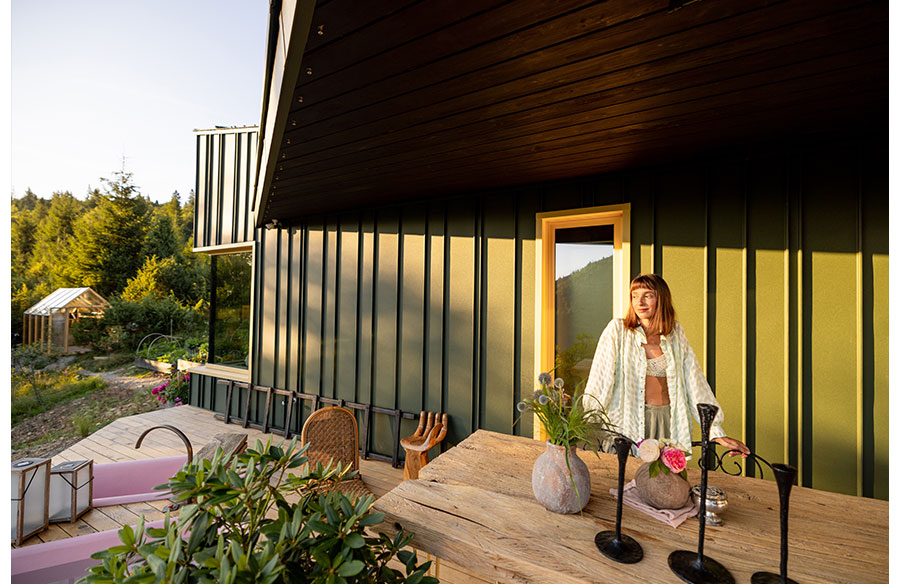
Wellness is no longer confined to gyms, spas, or weekend retreats. Increasingly, people are looking to bring health and balance into their everyday lives, starting with the spaces they inhabit. A home designed with wellness in mind does more than provide shelter. It nurtures the body, calms the mind, and creates an environment where daily routines feel restorative rather than draining.
The Foundation of Wellness at Home
When considering wellness in home design, the foundation is both literal and figurative. The materials chosen for floors, walls, and furnishings can influence air quality, comfort, and even mood. Natural timber, stone, and non toxic paints are not only aesthetically pleasing but also healthier options. These choices reduce exposure to harmful chemicals and create a sense of connection to nature.
Light and Air as Essential Elements
Natural light is one of the most powerful tools in wellness focused design. Homes that maximise daylight through large windows, skylights, or clever orientation help regulate circadian rhythms, improve mood, and reduce reliance on artificial lighting. Ventilation is equally important. Fresh air circulation prevents stagnation and supports respiratory health. Designing spaces with cross breezes, operable windows, and indoor greenery can make a remarkable difference.
Spaces That Encourage Movement
A wellness oriented home is not just about relaxation. It also encourages movement. Open floor plans, multipurpose rooms, and outdoor areas invite activity. Whether it is a yoga session in the living room, stretching in the garden, or simply walking through uncluttered hallways, the design can subtly promote physical wellbeing.
Water as a Wellness Feature
Water plays a central role in health, and its presence in the home can be both functional and symbolic. Beyond hydration, water features such as indoor fountains or small ponds bring a calming energy. On a practical level, access to clean, mineral rich water is vital. Brands like Zazen Alkaline Water Australia highlight how hydration can be elevated into a wellness practice, reminding us that the quality of what we drink is just as important as the design of the space we live in.
Creating Restorative Zones
Every home benefits from areas dedicated to rest and recovery. Bedrooms should be sanctuaries, designed with soft lighting, natural fabrics, and minimal distractions. Bathrooms can be transformed into spa-like retreats with soaking tubs, warm lighting, and soothing textures. Even small nooks with comfortable seating and greenery can serve as restorative zones where residents can pause and recharge.
The Role of Nature Indoors
Biophilic design, which integrates natural elements into interiors, has become a cornerstone of wellness architecture. Plants improve air quality and add vibrancy. Natural textures and earthy colours create a calming atmosphere. Views of gardens or landscapes provide mental relief, even in urban settings. By weaving nature into the home, residents experience a sense of grounding and balance.
Technology with Purpose
While technology often feels at odds with wellness, it can be harnessed thoughtfully. Smart systems that regulate temperature, lighting, and air quality can enhance comfort and efficiency. The key is to use technology in ways that support wellbeing rather than overwhelm. For example, circadian lighting systems that mimic natural daylight patterns can help residents feel energised during the day and relaxed at night.
Community and Connection
Wellness is not only about the individual. Homes that encourage connection with family and community foster emotional health. Shared spaces such as kitchens, dining areas, and outdoor patios become places of gathering and bonding. Designing with inclusivity and interaction in mind ensures that wellness extends beyond the self to relationships and social wellbeing.
A Holistic Vision of Home
Designing homes that support everyday wellness is about weaving together multiple elements. It is not one feature but the interplay of light, air, water, movement, rest, nature, and connection that creates a truly supportive environment. When these aspects are considered from the ground up, the home becomes more than a structure. It becomes a living space that nurtures health, happiness, and balance every single day.