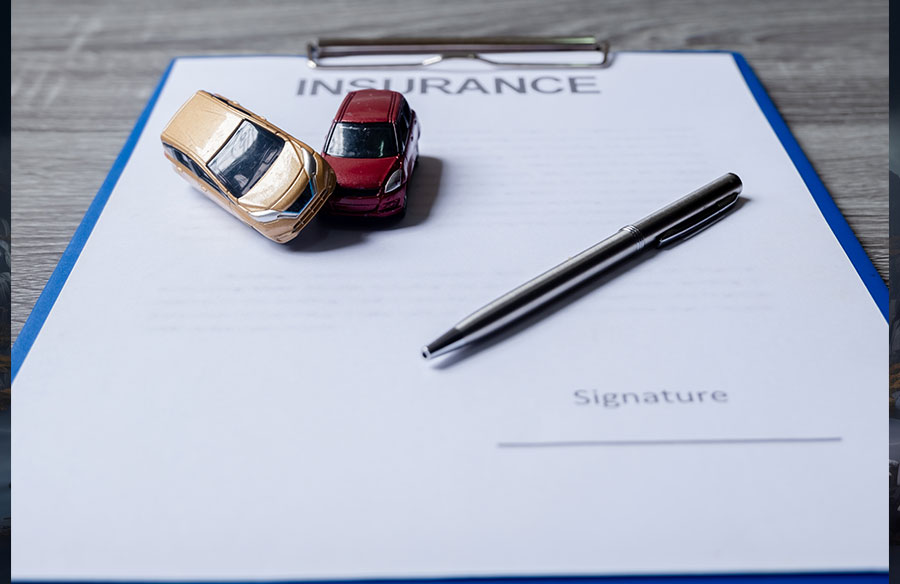
If you already have comprehensive car insurance, you might feel fully protected.
After all, it covers both third-party liabilities and damages to your own vehicle. So that should be enough, right?
Not always.
Indian roads present a unique mix of traffic density, weather conditions, road variability, and accident risks. While comprehensive insurance offers broad protection, it may not automatically cover every real-world scenario you face daily.
Let’s break this down clearly and simply.
What Does Comprehensive Car Insurance Actually Cover?
Comprehensive car insurance typically includes:
- Third-party liability cover (mandatory in India)
- Own damage cover for your vehicle
- Protection against:
- Accidents
- Theft
- Fire
- Natural disasters (floods, cyclones, earthquakes)
- Man-made events (riots, vandalism)
- Accidents
On paper, this sounds complete. And in many situations, it is.
But the details matter.
Why Indian Roads Are Different
Driving in India is not like driving in low-traffic countries.
You deal with:
- High traffic density
- Unpredictable driving behaviour
- Potholes and uneven roads
- Seasonal flooding
- Stray animals
- Frequent minor dents and scratches
Even a small parking scrape can lead to repair costs. And repairs today are expensive, especially for modern cars with sensors and advanced parts.
So while comprehensive insurance gives wide coverage, how it responds in practical situations depends on policy terms and conditions.
Where Comprehensive Cover May Fall Short
Comprehensive insurance is strong, but not unlimited.
Here are situations where it may not fully protect you:
1. Depreciation on Parts
Standard policies deduct depreciation on replaced parts.
That means you may still pay from your pocket.
2. Engine Damage from Water Ingress
If you drive through a flooded road and the engine gets damaged, coverage may depend on circumstances and add-ons.
3. Consumables Not Covered
Items like engine oil, nuts, bolts, lubricants, and filters are often excluded.
4. Loss of Personal Belongings
Most policies do not cover valuables left inside the car.
5. No Claim Bonus (NCB) Loss
Even a small claim can reduce your accumulated No Claim Bonus.
This is where add-ons become important.
Add-Ons That Make a Real Difference
If you want broader protection for Indian driving conditions, consider these commonly available add-ons:
Zero Depreciation Cover
- Reduces out-of-pocket expenses on replaced parts
- Especially useful for new or high-value cars
Engine Protection Cover
- Covers damage due to water ingress or oil leakage
- Helpful in flood-prone cities
Roadside Assistance
- Support during breakdowns
- Useful for highway travel
NCB Protection
- Retains your No Claim Bonus even after a claim
Consumables Cover
- Covers small repair components usually excluded
Comprehensive insurance becomes significantly stronger when customised properly.
How to Decide What You Really Need
Instead of asking, “Is comprehensive insurance enough?”
Ask this instead:
Is my coverage aligned with how and where I drive?
Consider:
- Do you drive daily in high-traffic urban areas?
- Do you live in a flood-prone city?
- Is your car new or high-value?
- Do you rely on it for work or frequent travel?
The right insurance plan is not about the label.
It is about the protection layers you choose.
Final Thoughts
Comprehensive car insurance is a strong foundation. For many drivers, it offers essential protection. But Indian roads come with unique risks.
Adding the right covers can reduce unexpected expenses and give you more control over repair costs and claims.
The goal is not just to be insured. It is to be adequately protected.
When you understand what your policy covers and what it does not, you can make smarter decisions and drive with greater confidence.
A comprehensive car insurance claims process is simple and digital, so you can report an incident quickly, upload documents online, and track your claim with complete clarity and minimal paperwork.