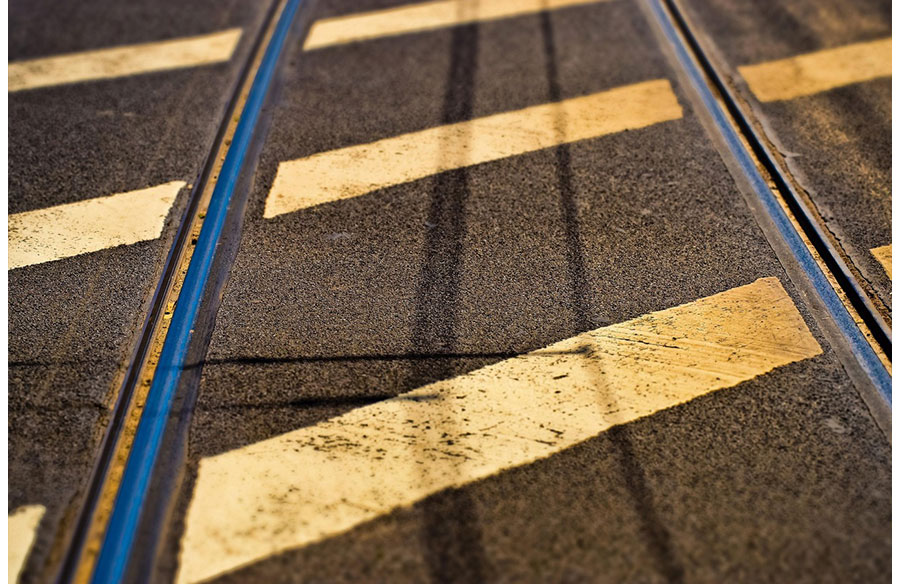
As much as we want industrial environments to be routine and rigid, they’re surprisingly dynamic and unpredictable. Because of this, the organization of space is really importan to both efficiency and safety. Distribution centers, warehouses and retail hubs all need a well thought out approach to layout, and one of the most effective ways to manage these spaces is through the implementation of durable line marking for zone demarcation.
Both drivers and pedestrians need to process information quickly when the risks of high-impact collisions are hightened. Without these clear markings, the space soon becomes chaotic, and one small mistake can slow down workflow or cause a fatal accident.
Visual communication is everything for safety
Effective safety management can be measured by how instant the recognition is. If you have to read it, or think about it, then it’s not effective enough. We understand how safety signs provide instructions around hazards or showing where certain emergency equipment is, often without even needing any words, and floor markings are the same but for the flow of traffic.
In a high-traffic zone, the psychology of the line is very powerful. People and vehicle operators instinctively follow paths when they’re obvious enough. You can often nudge easier than you can fully redirect, so the markings need to start early on.
One of the most important uses of this visual communication is to separate heavy machinery, like forklifts, from pedestrian walkways. The markings create no-go zones and designated crossing points, to stop people crossing wherever, and instead have the same spot for crossing so the driver knows to be on full alert.
Durability of different materials
Markings are only visible when the solution is durable. Standard paints falls short here, as the heavy tires and abrasive industrial cleaning equipment wears it down fast. High-performance line marking paint that is specifically formulated for industrial use is needed. These will bond deeply with the substrate, be it concrete, asphalt, screed, or another floor.
Epoxy-based or chlorinated rubber paints can be preferred in these settings simply because of their high resistance to chemicals and wear. Remember, it’s not just about having to use more materials to repaint, or even the man hours to re-do it, but it’s the downtime that painting can cause.
Frequent maintenance of subpar markings creates a psychological friction where staff begin to ignore faded boundaries. Accidents may occur in this space more frequently, but worse than that, the safety culture more broadly may be eroded.
Aerosol application in busy facilities
Aerosol technology in 2026 now has advanced enough to provide professional-grade finishes that rival traditional bulk-pour paints. Aerosol is extremely quick to apply, meaning downtime and labor hours are reduced, but so too is the drying. For 24/7 hour operations in particular, aerosol can be worthwhile.
When used with a wheeled applicator, these canisters can produce crisp, straight lines with relatively minimal preparation. It’s a method which is particularly useful for smaller demarcation tasks, like highlighting new safety hazards or just to refresh a portion of a worn section of an existing layout.
Managing traffic flow in parking areas
Parking areas and loading bays are typically outside areas, and this means the markings must contend with UV radiation, swinging temperatures and heavy rain. So, durability here is less about just mechanical wear and more about the elements and high visibility.
Thermoplastic markings or specialized outdoor paints with reflective beads are the go-to options for visible boundaries during night shifts or in foggy weather. Once fading occurs, there will be a noticeable increase in improper parking, congestion, and potentially blockages of emergency access routes. Again, spatial ambiguity only leads to inefficient loading and increased idling.
Surface preparation and its impact on longevity
No matter the quality of marking material, it will fail if the surface is not properly prepared. Where there is traffic, there is dust, grease, moisture, and other elements that can prevent paint from adhering. So before any application, surfaces need to be thoroughly cleaned and, in some cases, mechanically abraded to create a key for the paint to grip.
The outside temperature and humidity at the time of application must be within the manufacturer’s range, which will be specified. Ignoring these and painting during a heatwave may lead to flaking and peeling. Investing time into the prep will keep down long-term costs.
Line marking should never be viewed in isolation, as a one-time, single issue. We touched on how faded markings can degrade the broader safety culture, and vice versa is true – good signage, wall-mounted safety notices, and other practices contribute to the upholding of good markings. Not just culturally, but literally, as one green line on the floor for a walking route can be complimented with eye-level signage detailing the hazards around. One gives the warning, the other gives the instruction.