Creating a calm and relaxing home environment begins with the choices you make for your interior. Furniture plays a crucial role in setting the tone of a space, influencing both comfort and mood. Selecting pieces that support a peaceful atmosphere requires a thoughtful approach that combines aesthetics, functionality, and personal preference. Whether furnishing a new home or updating your current living space, the right furniture can help promote comfort and balance.
By combining thoughtful selection, strategic placement, and practical organisation, every room can become a space that promotes comfort and well-being.
Tips for Selecting Furniture for a Peaceful Home
Prioritise Comfort
The foundation of a relaxing home is comfort. When selecting furniture, consider how each piece will be used.
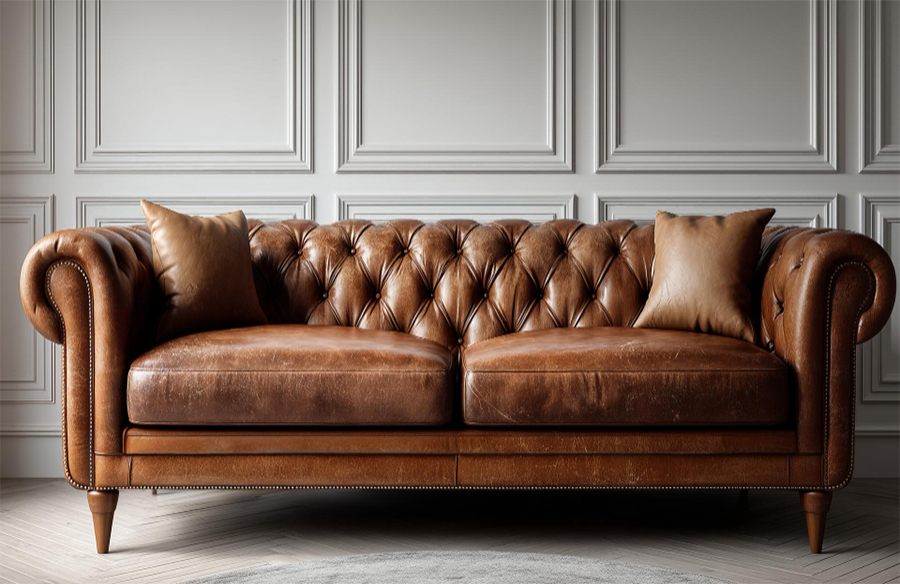
- Look for leather lounge suites and chairs with soft cushions that provide both support and comfort.
- Choose beds with high-quality mattresses and upholstered frames that encourage restful sleep.
- Ensure that furniture pieces are sized appropriately for the room, allowing enough space to move freely.
Comfortable and functional furniture reduces stress and makes daily life more enjoyable, creating a calm environment effortlessly. By choosing pieces that support your body and suit your lifestyle, you can move through your home with ease and confidence.
Opting for Neutral and Soft Colours
Colour has a profound impact on mood. Neutral shades such as beige, cream, soft grey, and muted greens are ideal for creating a peaceful backdrop. These colours allow the mind to rest and do not compete for attention. These tones can also enhance a sense of calmness, providing a soothing and harmonious feel.
When selecting furniture, consider the colour palette of the entire room. Coordinating colours across major pieces like sofas, chairs, tables and bed frames helps maintain visual harmony. Introducing gentle accents through cushions or decorative elements adds interest without disrupting the calm atmosphere.
Keeping It Simple and Functional
Minimalism is a powerful tool when aiming for a calm home. Too much furniture or decorative clutter can create visual noise and stress. Focus on essential pieces that serve a purpose, and avoid overfilling rooms with unnecessary items. Functional furniture that meets your daily needs without excess helps maintain a serene and organised environment.
Multi-functional furniture can be particularly useful in small spaces. Pieces that offer storage, seating, or surface space in one design reduce clutter and simplify the room. A clean, organised home naturally fosters relaxation.
Prioritise Quality Over Quantity
Investing in high-quality furniture ensures durability and long-term comfort. Well-made pieces not only last longer but also contribute to the overall aesthetics of your home.
- Check the construction of tables, chairs, and beds to ensure stability and durability.
- Look for solid joinery in wooden furniture rather than relying on screws alone.
- Consider upholstery that resists wear and retains its shape over time.
High-quality furniture also offers better comfort and maintains its appeal, making your home a place you enjoy spending time in.
Considering Scale and Proportion
The size and proportion of furniture in relation to your space affects both comfort and aesthetics. Oversized furniture in a small room can feel oppressive, while tiny pieces in a large room may seem out of place. Aim for balance by selecting furniture that complements the scale of each room. Proportional furniture helps maintain harmony and contributes to a peaceful visual flow.
Pay attention to visual weight as well. Lighter designs, open frames, and low-profile pieces can make a room feel more spacious and airy. These details influence the overall sense of calm in your home.
Final Thoughts
Selecting furniture for a calm and relaxing home is about more than just style. It involves careful consideration of comfort, colour, functionality, quality, and proportion. By choosing pieces that support the body, suit your lifestyle, and complement the space, you create an environment that encourages rest and well-being. Thoughtful selection, combined with organised placement and minimal clutter, transforms every room into a sanctuary where you can unwind, recharge, and enjoy daily life. A home furnished with intention not only looks inviting but also supports a sense of peace, balance, and comfort for everyone who lives there.
Frequently Asked Questions
What type of furniture is best for a relaxing home?
Furniture that supports comfort and functionality is ideal. Pieces with soft cushions, supportive frames, and natural materials help create a peaceful environment.
Which colours help create a calm home?
Neutral shades such as beige, cream, soft grey, and muted greens are most effective. Soft, earthy tones and pastels can also enhance relaxation.
How can furniture placement affect the mood of a room?
Strategic placement ensures free movement and prevents overcrowding. Open layouts and balanced arrangements create a sense of space and calm.
Is it better to prioritise quality or quantity?
Quality should always take priority. Well-constructed furniture lasts longer, provides better comfort, and supports a cohesive and peaceful interior.
Can small spaces feel calm and relaxing?
Yes. Using minimal, multi-functional furniture, lighter designs, and a consistent colour palette can make smaller spaces feel open, organised, and serene.