Walk into a well-designed hotel room and something immediately feels right – you can’t always name what it is, but the space settles around you in a way that makes the whole stay better. That experience is almost never accidental. It comes from intentional furniture decisions made long before a guest ever checks in.
Sara Hospitality USA, a women-owned manufacturer based in Suwanee, Georgia, has been behind more of those decisions than most people realize. As a leading hotel bedroom furniture manufacturer, the company has contributed to furnishing modern guest rooms across the United States. With over 550 completed projects — including properties for Hilton Garden Inn and Hampton Inn — their work provides real insight into how hotel bedroom furniture design is evolving today. Not theory. Real projects, real rooms.
Here are the trends worth paying attention to.
Minimalism That Actually Has Substance
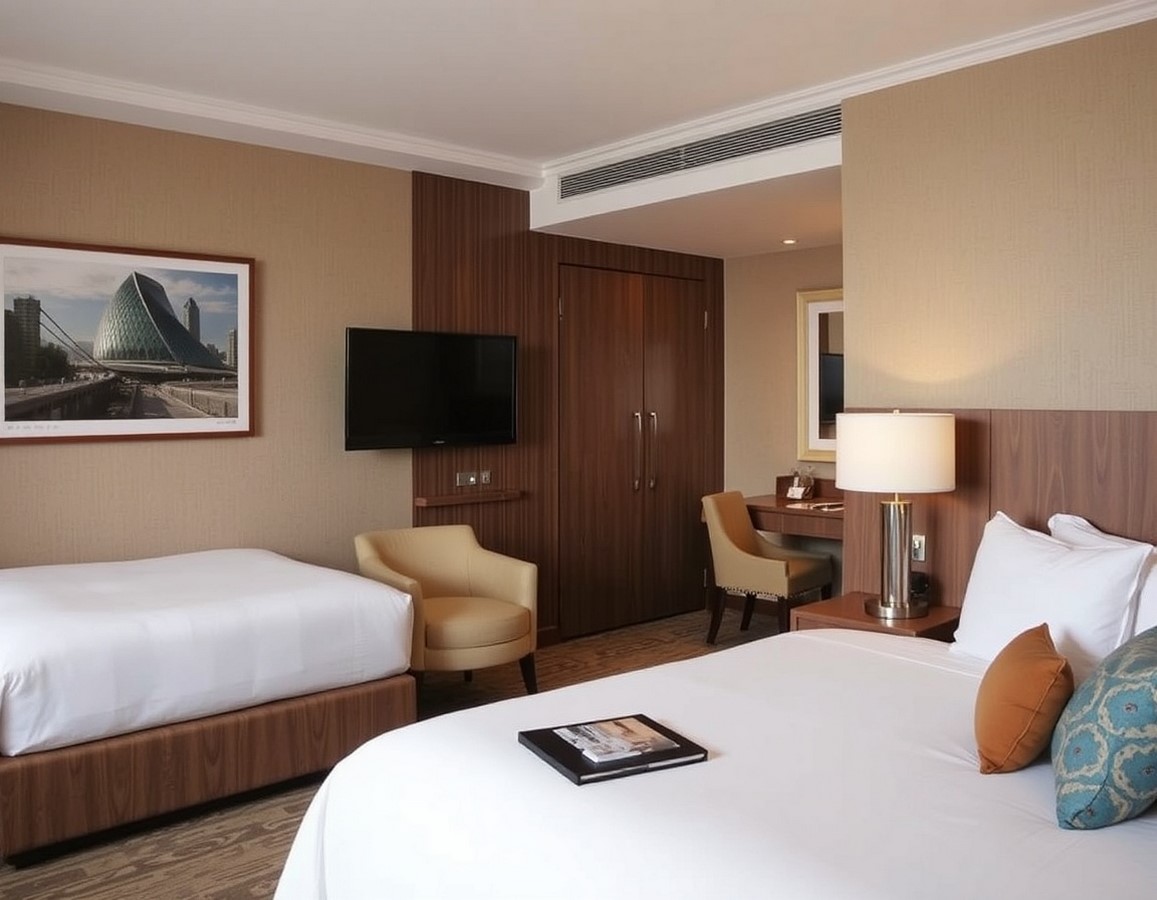
The minimalist hotel room isn’t new. But there’s a version of it that works and a version that just feels empty – and the difference usually comes down to material quality. Clean silhouettes and restrained hardware only read as intentional when the construction behind them is solid. Flush-mount drawers, lighter wood-tone finishes, floating nightstand designs – these details hold up over years of guest use when they’re built properly. When they’re not, the whole aesthetic falls apart fast.
Furniture That Works for Longer Stays
Guests aren’t just sleeping in hotel rooms anymore. Remote work, extended travel, in-between-leases situations – people are genuinely living in these spaces for stretches of time, and the furniture spec needs to reflect that.
Any reliable bedroom furniture supplier operating in the current market is already fielding requests for:
- Integrated USB-C and wireless charging built into nightstands, not added as an afterthought
- Desk surfaces that work for both focused work and video calls, with lighting that doesn’t make guests look terrible on camera
- Storage configurations deep enough that someone staying a week can actually unpack
- Layouts that have some flexibility – because guests will rearrange things, and the room should be able to absorb that without looking wrong
This isn’t about luxury. It’s about designing for how people actually use the space.
Technology Belongs Inside the Furniture
Charging hubs sitting on nightstands. Visible cable management that gave up halfway through. A remote control for a system nobody can figure out. These things age a room faster than almost anything else.
What’s happening now – and Sara Hospitality has been responsive to this – is that technology is getting designed into the furniture from the start. Lighting controls embedded in the headboard. Speakers that are part of the piece rather than sitting on top of it. Charging surfaces flush with the nightstand top. It keeps rooms looking intentional years longer than the retrofit approach ever did.
Durability as a Sustainability Argument
Eco-conscious sourcing has moved from differentiator to baseline expectation. FSC-certified wood, low-VOC finishes, responsible material choices – these are increasingly table stakes rather than selling points.
But the sustainability conversation that doesn’t get enough attention is the one about lifespan. A dresser that lasts 12 years instead of 5 represents a significant reduction in manufacturing, transport, and disposal – before you even get to material sourcing. Sara Hospitality’s reputation for construction quality is a sustainability story as much as anything else, even when it isn’t framed that way.
Biophilic design fits into this same space – natural wood grains, stone-look surfaces, warmer textiles – because guests in unfamiliar environments respond better to spaces that feel grounded in natural materials. It’s not a design trend in the trendy sense. It just works.
 What Senior Living Furniture Has Taught the Hotel Industry
This one doesn’t come up enough. Senior living communities – assisted living, memory care, independent living – have had to solve genuinely hard design problems: furniture that reads as residential rather than institutional, ergonomic proportions for users with varying mobility, surfaces that hold up to repeated clinical-grade sanitation. Solving those problems consistently produces furniture that is, almost across the board, better constructed than standard hotel products.
Sara Hospitality works across both hotel and senior living furniture segments. That cross-pollination matters. The durability standards and ergonomic thinking from senior living don’t stay siloed – they show up in how the broader product line approaches construction quality. More hotel designers are borrowing directly from senior living specs now, not because of demographic targeting, but because those standards simply produce a better result for every guest.
Color Is Back – Used Carefully
The gray-beige-charcoal palette that dominated hotel bedrooms for the better part of a decade has run its course. Color is returning, though nobody’s being reckless about it.
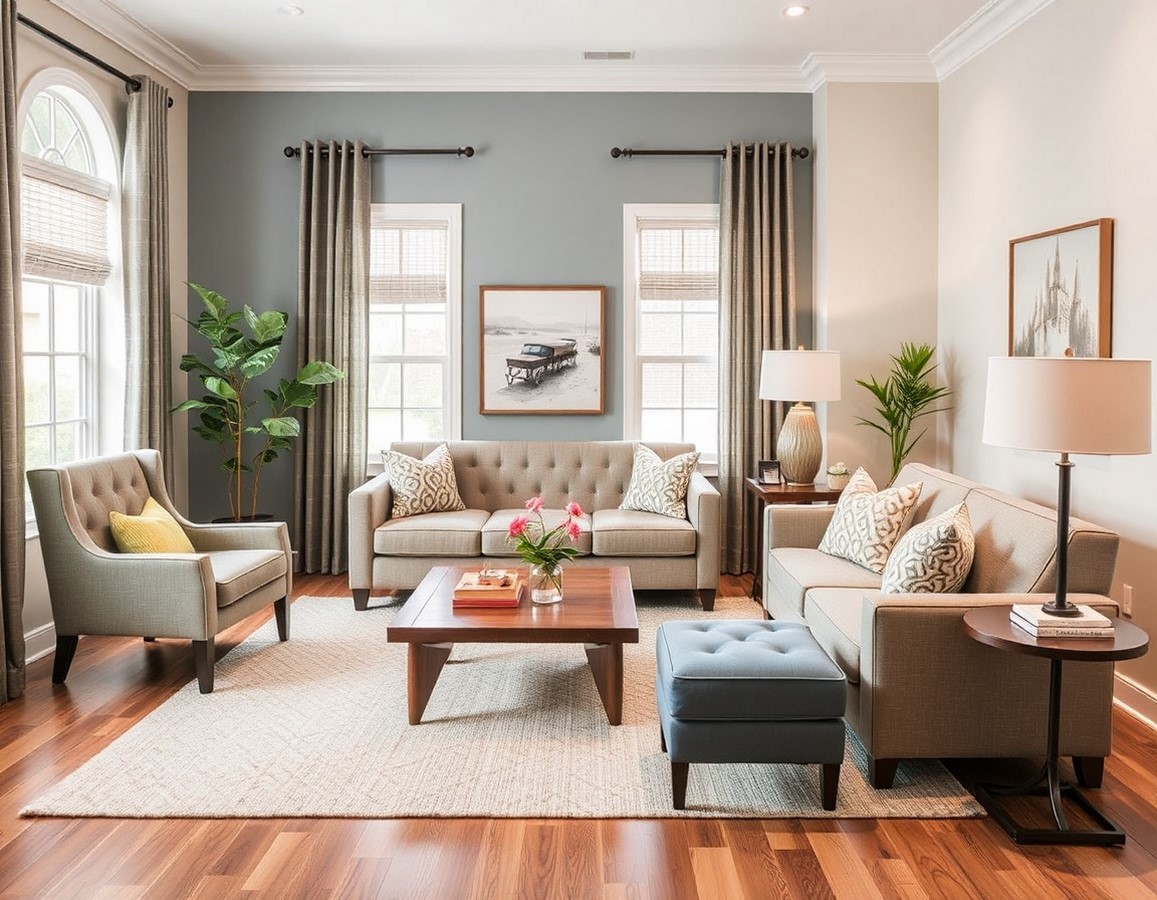
The approach that’s working: a headboard in something rich – deep green, terracotta, navy – anchored against walls that stay quiet. Textured fabrics doing the visual work. Soft goods and artwork carrying the color story so the casegoods themselves can stay neutral enough to absorb refresh cycles over a 10-year ownership period. It’s practical as much as it is aesthetic.
 Customization at Mid-Market Prices
Full custom manufacturing used to mean long lead times and significant cost premiums. That calculus has changed. Structured customization – curated material menus, modular configurations, COM upholstery options – now lets hotels specify furniture that feels purpose-built without the production risk of true bespoke work. For multi-property rollouts especially, that flexibility has become less of a luxury and more of an operational expectation.
The rooms getting it right right now aren’t doing any single thing brilliantly. They’re making a lot of smaller decisions well and letting them add up. Sara Hospitality USA’s project portfolio is a good place to study what that looks like in practice – visit sarahospitalityusa.com for more.