Key Takeaways
- Routine sealcoating, crack filling, and cleaning keep asphalt surfaces in optimal shape for longer.
- Comprehensive drainage prevents water from undermining the pavement’s structure.
- Modern materials and smart paving technologies are critical for improved performance and sustainability.
- Proactive, scheduled maintenance reduces expensive repairs and enhances user safety.
Durable commercial asphalt surfaces are crucial for businesses and property owners seeking to minimize costly repairs, enhance curb appeal, and provide a safe environment for patrons. Achieving a long-lasting asphalt surface involves more than just proper installation. It requires a strategic approach to maintenance and upgrades using proven materials and techniques. As the demand for quality pavements continues to rise, many seek out reliable NJ asphalt companies to ensure their parking lots and roadways deliver maximum performance year after year. Knowing and implementing industry best practices helps property managers maintain safe, attractive properties and control long-term expenses. From preventive maintenance to eco-friendly methods, these steps directly impact your pavement’s longevity. This article covers essential practices that protect your asphalt, ensure durable results, and add value to your property.
Routine Maintenance: The Foundation of Asphalt Longevity
Consistent maintenance is the heart of any pavement management plan. Neglecting basic upkeep accelerates deterioration and drives up costs. Key tasks like sealcoating, crack filling, and routine cleaning guard against damage from water, sunlight, oil, and chemicals. Sealcoating every 3 to 5 years creates a protective barrier that significantly slows oxidation and surface wear. Regular inspections allow minor cracks or defects to be addressed before they propagate into potholes and more extensive, costly repairs. Applying proven maintenance techniques keeps surfaces smooth, stable, and looking fresh, while also improving safety for vehicles and pedestrians.
Effective Drainage Systems: Preventing Water Damage
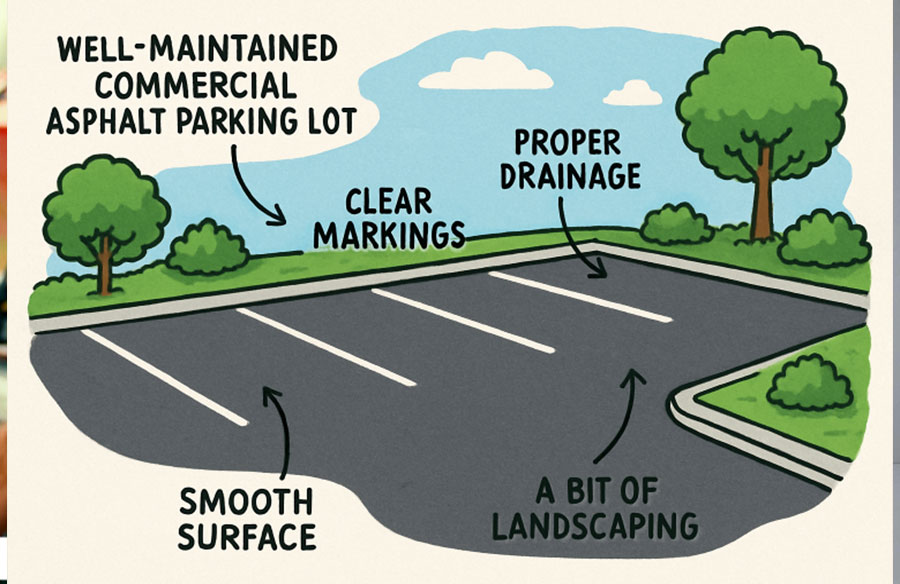
Water is one of the most destructive elements for any asphalt surface. Without proper drainage, water seeps into the sublayers, leading to soft spots, cracks, and potholes that jeopardize structural integrity. A well-designed drainage system, including sloped surfaces, catch basins, and clear gutters, is necessary to quickly and efficiently move water away from the pavement. Property owners should routinely inspect and clear drain blockages, especially before and after heavy rain or snow. Consulting with a civil engineer or seasoned paving professional can help ensure that new installations feature effective drainage to prevent moisture-related problems and extend the pavement’s lifespan.
Advanced Materials: Enhancing Performance
Modern pavement technologies offer a significant edge in durability and performance. Polymer-modified binders, for example, add flexibility and resist rutting and cracking, making them ideal for areas subjected to heavy loads. Warm-mix asphalts allow lower production and application temperatures, which not only conserve energy but also reduce air pollution and facilitate easier compaction. Even recycled asphalt pavement (RAP) is widely used to provide sustainable solutions without compromising quality. Focusing on high-performance materials ensures the commercial asphalt withstands traffic and extreme weather better, reducing maintenance demands over time.
Smart Technology Integration: Precision and Efficiency
Technological innovation is reshaping asphalt paving. Intelligent compaction systems and GPS-guided machines provide real-time feedback, leading to even mat thickness, uniform compaction, and fewer weak spots. These precision tools help reduce human error, resulting in longer-lasting surfaces and minimized repair intervals. This technology also enables more effective data tracking for maintenance managers, helping them detect potential trouble areas early. The adoption of digital tools for planning and quality control guarantees smoother surfaces and maximizes the life cycle of commercial pavements.
Preventative Maintenance: A Proactive Approach
Adopting a proactive maintenance plan is central to reducing overall costs and preventing safety hazards. Instead of waiting for complaints or visible damage, schedule annual inspections and promptly repair issues. Crack sealing, pothole patching, and prompt debris removal help keep minor issues from escalating. A proactive program also includes surface marking refreshes to maintain visibility and curb appeal. Ultimately, taking early action minimizes interruptions, saves money, and maintains a safer property for employees, visitors, and customers alike.
Eco-Friendly Practices: Sustainable Solutions
Green initiatives are transforming asphalt paving into a more environmentally friendly industry. The use of recycled materials, such as RAP, and warm-mix technologies lessens resource consumption and emissions. These practices not only address sustainability objectives but can also reduce material and operational costs for property managers. Sustainable paving blends long-term value, reduced environmental impact, and improved performance into a single package, aligning with modern corporate responsibility standards.
Conclusion
A commitment to best practices in commercial asphalt management protects your investment, enhances your property’s safety, and keeps surfaces looking their best. From basic maintenance to adopting cutting-edge materials and techniques, every action taken counts toward more durable, cost-effective pavement. Partnering with reputable professionals ensures that all aspects of installation and maintenance are handled for superior, lasting results.