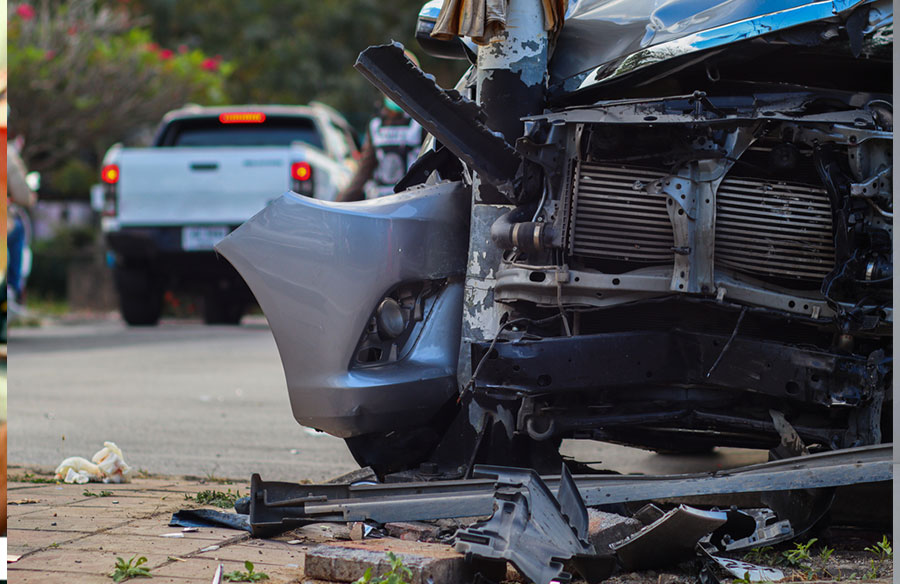
Big trucks rule the roads around Arlington, TX. Highways stay busy, delivery routes never slow down, and 18-wheelers move through the city every single day.
That constant movement comes with weight, pressure, and risk. When a crash involves a truck this large, fault is never simple. It is not about one wrong turn or one bad second. It becomes a layered process where every detail matters and every record tells a story.
Why Fault Looks Different in Truck Accidents
Truck accidents carry more responsibility than most people expect. A single crash can involve drivers, trucking companies, maintenance teams, and even cargo handlers. Insurance companies do not rush to accept blame, especially when large payouts are possible. That is why the investigation stage matters so much.
Fault must be built through proof, records, and consistency. This is also where people often turn to experienced truck accident attorneys in Arlington, TX, because the process quickly becomes too technical to handle alone.
How Fault Is Determined After an 18 Wheeler Crash
Police Reports and First Scene Findings
Everything begins at the crash site. Police reports carry weight because they document road conditions, visible damage, witness names, and early observations. Officers may note signs of speeding, distracted driving, or traffic violations. While these reports do not decide fault on their own, they create the base that every other investigation builds on.
Driver Logs and Hours of Service Records
Truck drivers must follow strict driving hour rules. These logs show how long a driver was on the road before the crash. Investigators look for fatigue, skipped rest breaks, or altered records. A tired driver reacts more slowly and makes more mistakes. In many Arlington cases, logbooks play a key role in showing unsafe driving patterns.
Truck Maintenance and Inspection History
Every commercial truck must be inspected and maintained regularly. Brake issues, worn tires, or steering problems do not appear overnight. Investigators review maintenance records to see if warning signs were ignored. Poor upkeep can point fault toward a trucking company rather than the driver alone.
Black Box and Vehicle Data
Most 18-wheelers carry electronic data systems that record speed, braking, and engine behavior. This data does not guess. It shows exactly what happened before impact. Sudden braking, lack of response, or speeding can be confirmed through these systems. In Arlington, this information often becomes one of the strongest forms of evidence.
Company Policies and Safety Practices
Trucking companies are expected to train drivers properly and enforce safety rules. Investigators review hiring records, training materials, and internal policies. If a company pushed drivers to meet tight deadlines or ignored safety complaints, fault can extend beyond the person behind the wheel.
Witness Statements and Video Footage
Eyewitness accounts add real-world detail. Dash cameras, traffic cameras, and nearby security footage can confirm lane changes, signal use, or unsafe turns. In busy Arlington intersections, video often fills gaps that written reports cannot.
More Than One Party Can Be Responsible
More Than One Party Can Be Responsible
- The truck driver
Fatigue, distraction, speeding, or poor judgment on the road can directly lead to a crash.
- The trucking company
Companies may allow unsafe driving schedules, ignore rest rules, or fail to supervise drivers properly.
- Maintenance or repair providers
Brake failures, tire blowouts, or steering problems can point to poor inspections or rushed repairs.
- Cargo loading teams
Improperly loaded or unsecured cargo can shift during transport and cause the truck to lose balance or control.
- Vehicle or parts manufacturers
Defective brakes, tires, or other components may play a role if a product fails under normal use.
- Third-party contractors
Dispatchers, leasing companies, or logistics providers may contribute through unsafe planning or pressure.
Each of these parties is reviewed separately because identifying all responsible sides is key to a fair and complete claim.
How Legal Guidance Supports the Investigation
Fault investigations demand time, access, and pressure. Evidence can disappear quickly. Records can be delayed. Companies may limit cooperation. This is where truck accident attorneys in Arlington, TX, become part of the process, not as storytellers, but as organizers of facts. They:
- Work closely with investigators to understand how the crash happened.
- Request driving logs, maintenance records, and company documents.
- Secure and preserve evidence before it is lost or altered.
- Communicate with insurance carriers that often avoid clear answers.
- Track every detail so nothing important is missed.
- Push back when responsibility is shifted away quietly.
Closing Thoughts
In Arlington, TX, the roads are busy, and the stakes are high for truck accidents. Understanding how fault is determined brings awareness to a system that often works behind the scenes.
When every mile, every log, and every inspection matters, accuracy becomes the only thing that protects fairness. Having someone who understands how these investigations work helps keep the process grounded in facts and responsibility.