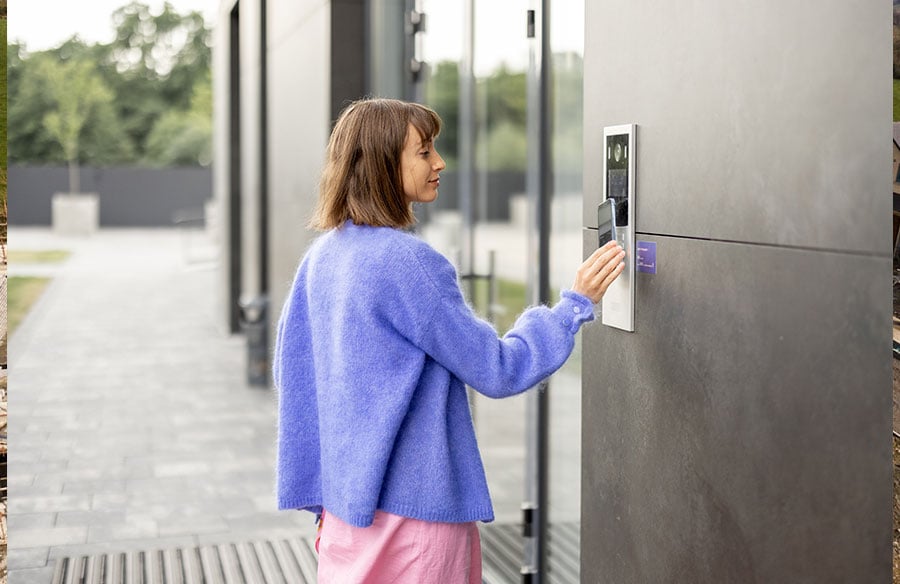
Modern buildings are no longer just physical structures as they function as living environments that balance aesthetics, performance, and safety.
Within contemporary architecture, access management plays a central role in shaping how people move through spaces and how securely those spaces operate. Offices, residential buildings, and public spaces all rely on well-planned access control systems to support daily use without disrupting design intent.
When access control is considered early in the design process, it supports both safety and usability while aligning with the architectural vision. Thoughtful integration allows buildings to feel open and intuitive while maintaining appropriate levels of control.
The Growing Role of Access Management in Modern Buildings
As urban development becomes more complex, buildings are expected to serve multiple purposes and user groups. Mixed-use developments, workplaces, educational campuses, and residential projects all face different access needs throughout the day.
Access management helps control:
- Who enters certain areas
- At what time access is granted
- Under which conditions access is allowed
Security is only part of the picture. Well-designed access systems also support smoother operations. Automated entry reduces congestion, simplifies daily routines, and gives facility teams better oversight. As a result, access management has become a core element of contemporary building planning rather than a background function.
How Access Control Supports Building Safety and Efficiency
Effective access control systems protect people, assets, and sensitive areas without creating unnecessary friction. Clear rules reduce risk while allowing occupants to move confidently through shared spaces.
Operational efficiency improves when access systems reflect real-world use:
- Entry points function more smoothly
- Visitor management is simplified
- Staff gain better oversight without manual processes
These practical benefits make access management an essential consideration, not just an optional add-on.
Integrating Access Management Into Architectural Design
Successful contemporary design treats access control as part of the architecture. Systems introduced at the planning stage are easier to integrate discreetly and consistently across a building.
Ways access solutions support design goals include:
- Incorporating entry systems into doors and walls without disrupting visual flow
- Using interior zoning to separate public, semi-private, and restricted areas while maintaining flexibility
- Designing natural movement through entrances by reducing friction and creating intuitive layouts
When access management aligns with architectural intent, buildings feel secure without appearing closed or restrictive.
Access Management Technology Trends in Modern Buildings
Digital solutions are increasingly common in contemporary buildings. Smart access systems offer flexibility while reducing reliance on physical keys or cards.
Key trends include:
- Mobile credentials allowing smartphone access
- Biometric verification for contactless entry
- Cloud-based systems for easy updates and scalable control
- Integration with other building systems, such as lighting or occupancy monitoring
These technologies help designers create buildings that are modern, adaptable, and user-focused, supporting both convenience and security.
Meeting Safety and Compliance Requirements Through Access Planning
Access management is important for meeting safety and regulatory standards. Systems can support emergency exits, fire safety, and inclusive access, while maintaining normal operational security.
Early planning avoids conflicts between compliance and design quality. Thoughtful access control integration ensures safety standards are met without compromising aesthetics or usability.
Access Management as a Core Part of Smart Building Design
Modern architecture increasingly relies on smart building strategies, with access management at the centre. Well-planned systems improve operational efficiency, enhance user experience, and allow buildings to respond to evolving needs.
Benefits include:
- Smoother movement for occupants
- Better insight into building usage for managers
- Scalable systems that adapt to future needs
Considering access management from the start supports long-term functionality rather than short-term fixes.
The Role of Access Control Providers in Contemporary Projects
Partnering with an experienced access control provider ensures design intent translates into practical solutions. Providers help integrate systems into various environments while accommodating future changes.
For example, Digital ID access systems can manage entry permissions across different building types without disrupting visual consistency. These systems support both security and convenience, making them a key part of modern building projects.
Balancing Building Security with Visual Design
Security measures should enhance architecture, not compete with it. Overly visible systems distract from design, while insufficient controls create risk. Effective balance requires collaboration between architects, designers, and access specialists.
Key considerations include:
- Matching finishes and materials to surrounding elements
- Keeping devices discreet where possible
- Placing systems intuitively for users
When access management aligns with design language, it becomes part of the experience rather than a visual interruption.
Planning Access Management for Future Building Needs
Contemporary buildings must remain functional beyond completion. Access systems need to adapt to new technologies, occupancy patterns, and evolving security expectations. Flexible platforms allow upgrades without major disruption.
Long-term planning also includes data protection and privacy considerations. Scalable and integrated systems keep buildings secure, efficient, and relevant as demands change.
Improving Building Access and Security Through Thoughtful Design
Access management is now a defining feature of modern architecture. When integrated early, it enhances safety, efficiency, and usability while supporting the building’s aesthetic and functional goals. From automated entry and mobile credentials to biometric verification, flexible access solutions improve occupant experience and operational oversight.
Early planning and smart integration ensure systems evolve with building needs, supporting compliance, convenience, and long-term security. Thoughtful access management transforms buildings into safe, intuitive, and adaptable spaces, making them ready to meet both current and future requirements.