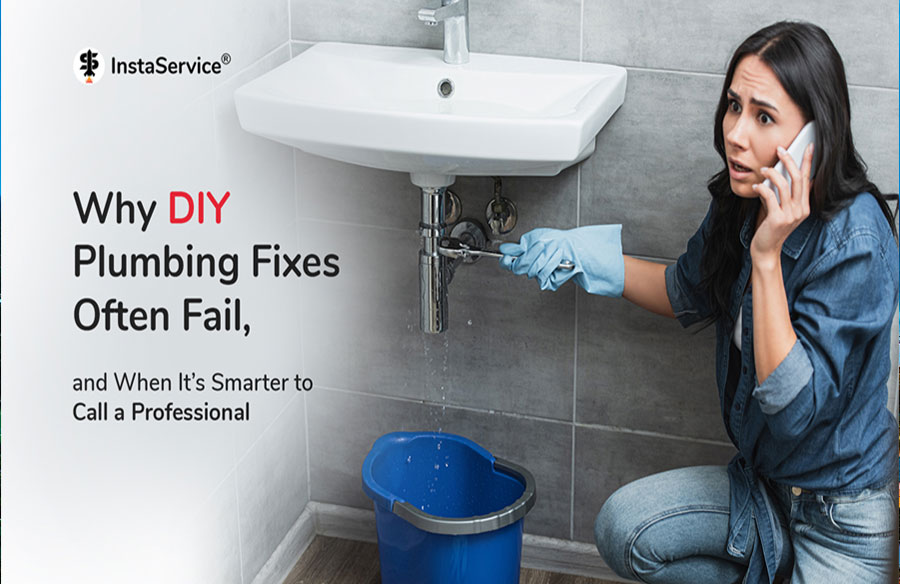
Leaking pipes, slow drains, or dripping taps may appear easy to fix. Many homeowners attempt repairs after a quick search and a trip to the hardware store. While these fixes occasionally work, they often do not.
Plumbing systems are often less forgiving than expected. Failed DIY repairs can go unnoticed until they cause water damage, mold, or recurring leaks that require more extensive repairs. Recognizing when to stop DIY efforts can save time, money, and stress.
Why DIY Plumbing Repairs So Often Miss the Real Problem
Most Home plumbing issues are symptoms rather than root causes. For example, a leak may indicate pipe corrosion, and a slow drain could signal a deeper blockage. Without the right tools and experience, it is easy to address only visible problems and overlook underlying issues.
Common DIY missteps include:
- Treating recurring leaks as one-time issues
- Clearing surface blockages but ignoring buildup further down the line
- Replacing fixtures without checking pressure or pipe condition
These fixes may hold for a while but rarely solve the underlying cause.
The Most Common DIY Plumbing Mistakes Homeowners Make
Plumbing mistakes don’t always show damage right away. Many take weeks or months to appear.
Frequent DIY errors include:
- Over-tightening fittings, which weakens pipes
- Using sealants or tapes instead of proper repairs
- Mixing incompatible pipe materials
- Relying on chemical drain cleaners that damage pipes
- Improperly reinstalling valves or connectors
With water, small errors often grow into bigger problems.
Why DIY Plumbing Repairs Can End Up Costing More
DIY repairs may appear cost-effective initially, but hidden expenses often arise later.
What often follows failed DIY plumbing:
- Repeat leaks in the same area
- Water damage to walls, ceilings, or flooring
- Mold from unnoticed moisture
- Rising water bills
- Emergency repairs that could have been prevented
In many cases, professional repairs done early would have cost less than repeated DIY attempts.
Home Maintenance Checklist: Plumbing Tasks Safe for Homeowners
Not every plumbing task requires professional help. A basic home maintenance checklist allows homeowners to monitor their systems safely.
Homeowners can handle:
- Checking visible pipes for leaks or corrosion
- Inspecting under sinks for moisture
- Cleaning faucet aerators and showerheads
- Watching for slow drains or unusual smells
- Monitoring toilet tanks for slow leaks
These checks help catch problems early without risking damage.
Clear Signs It’s Time to Call a Professional Plumber
Some plumbing issues should never be handled without proper training.
Call a professional if you notice:
- Leaks that keep coming back
- Low water pressure throughout the home
- Water stains on walls or ceilings
- Frequent drain clogs
- No hot water or inconsistent supply
- Burst pipes or flooding
These problems usually indicate system-level issues that require professional diagnosis.
Why Professional Plumbing Repairs Hold Up Over Time
Professional plumbers do more than fix visible damage. They look at how the entire system is functioning.
Professional repairs focus on:
- Identifying root causes, not just symptoms
- Using correct materials and fittings
- Ensuring proper pressure and flow
- Preventing future failures
This approach reduces recurring issues and protects the home over the long term.
Finding Reliable Plumbing Help Without the Guesswork
One reason homeowners delay calling professionals is uncertainty about who to call, who to trust, and how quickly help will arrive. Home service platforms have simplified this process by connecting homeowners with vetted Home plumbing service professionals, making it easier to book reliable help when DIY repairs fall short. Instead of relying on trial and error, homeowners can engage qualified professionals who can handle both minor repairs and complex issues.
Home Maintenance Checklist: Preventing Plumbing Problems Each Year
Plumbing emergencies often result from missed maintenance. Annual inspections of pipes and joints help identify issues early and prevent unexpected failures.
- Water pressure checks
- Water heater inspection
- Drain cleaning to prevent buildup
- Identifying aging or weak pipes
Including plumbing in your annual home maintenance checklist reduces the risk of emergencies and extends the system’s lifespan.
The Smarter Balance Between DIY and Professional Help
DIY plumbing has its place mainly in observation and upkeep. Repairs involving water pressure, hidden pipes, or recurring issues are best handled by professionals.
The smartest approach is simple:
- Monitor regularly
- Act early
- Call a professional when issues persist
This balance protects your home and avoids unnecessary damage.
Final Thoughts
DIY plumbing fixesDIY plumbing fixes often fail not because homeowners lack effort, but because plumbing systems need precision and experience. While basic checks can be done at home, many repairs require professional expertise to be done safely and correctly.top fixing and starting to call for help can prevent costly damage and keep your home running smoothly.