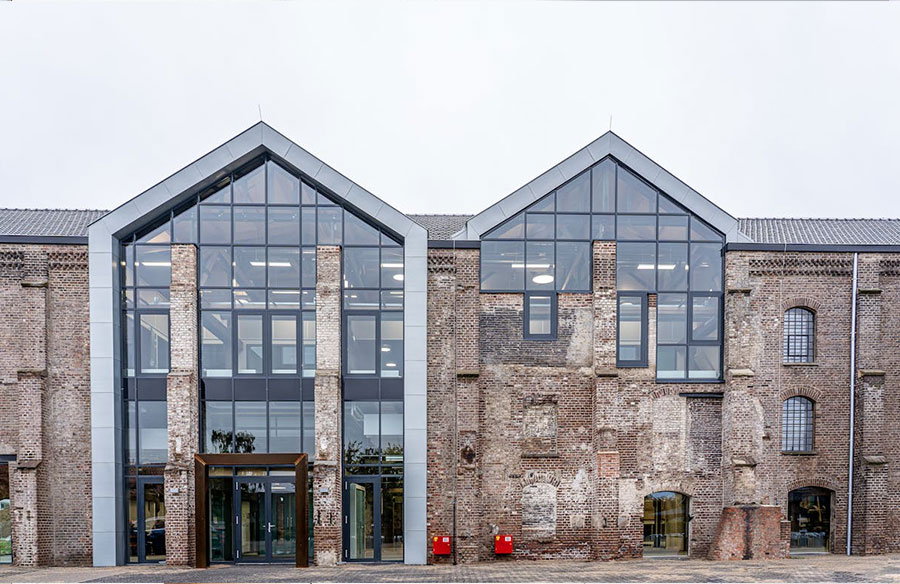
You can walk into a commercial space and feel the strain almost immediately. The entry is drafty, the back office feels stale, and the lights glare.
It is rarely one dramatic failure that pushes an upgrade forward, either. It is a stack of small annoyances that keep showing up. Over time, those add minutes and stress to every workday.
That is why upgrade planning feels easier when the building shell gets attention early. If your roof has wear or a history of leaks, roof repair from Complete Roofing often belongs near the top. Roof choices affect comfort, ceiling layouts, and how often you deal with surprise maintenance.
Roof And Envelope Decisions Set The Baseline
Roofs usually fail in quiet ways before they fail in obvious ways. Water can travel through insulation and show up far from the real entry point.
A pre upgrade review tends to surface practical issues that are easy to miss. Clogged drains, loose flashing, and worn seams can sit there for months. Soft spots around penetrations can also signal moisture that has been trapped over time.
The edge details matter more than most people assume, especially during storms. If you want a technical reference on wind resistance and roof bracing approaches, Building America’s guide from PNNL is useful.
Insulation sits in the same conversation, because it links roof work to operating costs. When the roof system holds temperature steadier, the building often feels calmer inside. That can reduce how hard your HVAC has to work during peak afternoon heat.
Rooftop equipment adds another layer, and it can complicate a renovation quickly. Curb heights, service paths, and safe access should match the roof plan. When those details are decided late, the project can slip and repairs get more frequent.
Comfort Depends On HVAC, Ventilation, And Control Zones
Once the roof and envelope plan feels settled, comfort planning gets less guessy. HVAC choices start to reflect how the space is used each day. That shift matters, because real occupancy is rarely as tidy as the floor plan suggests.
Zoning is one of the most common pain points in older commercial spaces. Conference rooms spike fast, storage rooms barely change, and open offices drift. If all of that sits on one schedule, someone is always too hot or too cold.
Ventilation can be another source of low grade frustration, especially after a remodel. When outside air is not balanced well, rooms can feel stale by mid afternoon. Filters and returns can also get neglected when ceiling layouts change.
Controls often have more impact than people expect, and they can feel like a quality of life upgrade. Better schedules, sensors, and balancing can reduce hot spots without oversized equipment. It also helps energy use feel steadier across the week, not spiky and unpredictable.
Mechanical planning goes smoother when it fits the architecture instead of forcing it. Ceiling heights, soffits, and lighting layouts all react to duct routes and returns. A quick read on how HVAC planning influences architectural design can help you spot conflicts early and avoid late rework.
After you have a draft plan, it helps to check it against accepted ventilation guidance. ASHRAE Standard 62.1 is widely used for minimum ventilation rates in commercial buildings. It is a useful reference when you are weighing outside air targets and indoor air quality goals.
Interiors Feel Better With Light, Sound, And Circulation
Even when temperature is handled, a space can still feel tiring by the end of day. Glare, echo, and awkward circulation pull attention in small ways. Those small pulls add up, especially in shared work areas.
Daylight is usually welcome, yet it needs control to stay comfortable. Glazing choices, shading, and workstation placement can cut glare without dim rooms. It also keeps screens readable, which is a simple productivity win.
Electric lighting deserves a second look during upgrades, because it is easy to overdo. Too much brightness can feel harsh, and too little feels sleepy. A layered approach often works best, with ambient light plus task lighting where work happens.
Sound is the other quiet stressor that shows up in modern commercial layouts. Hard floors and open ceilings can make normal conversation feel louder than it should. When that happens, people speak louder to compensate, and the room gets even noisier.
You do not need a full rebuild to improve acoustics in many spaces. Softer ceiling systems, wall panels, and a few targeted finishes reduce echo quickly. The materials matter, and so does placement near the noisiest zones.
If you want examples of what tends to work in real projects, it helps to browse notes on architectural materials for acoustics and sound control. It can make selection conversations less abstract and more grounded.
Circulation is the final piece that often gets underestimated during a refresh. A layout can look efficient on paper and still feel awkward in motion. Small shifts in entry paths, reception placement, and storage locations can ease daily friction.
Scheduling And Risk Feel Calmer With A Clear Plan
Most upgrade stress comes from timing and surprises, not the design itself. Permits, inspections, and long lead items can push schedules more than you expect. When that happens, teams scramble and the space stays disrupted longer.
Phasing decisions can keep operations steady while work is happening in the background. Some businesses can close for a short window, while others cannot. Either way, it helps when noisy work stays away from customer areas and clean paths stay open.
It also helps to think about how trades overlap during a commercial refresh. Ceiling work, HVAC, fire protection, and lighting often share the same zone. If the order is unclear, rework becomes the default, and the budget starts to creep.
A small planning checklist often saves real money, because it reduces late changes:
- Confirm roof access and curb locations before ordering rooftop units and cutting penetrations.
- Verify electrical capacity and panel space before adding controls and new equipment loads.
- Lock ceiling heights early so duct routes, lighting, and sprinklers do not compete.
- Plan dust control and off hours work so finishes stay clean and operations stay stable.
Communication style matters here more than people admit, because uncertainty spreads fast. When updates are clear, tenants and staff stay calmer during messy weeks. That calm helps everyone make better decisions when small issues show up.
Pulling The Upgrade Into One Coherent Plan
A commercial upgrade feels better when the roof, comfort systems, and interiors get treated as linked decisions. The roof affects insulation and moisture control, and that shapes HVAC loads and ceiling details. Lighting and acoustics then finish the job, because they shape focus and comfort all day.
If you keep the plan grounded in real daily use, the space tends to run smoother. Maintenance becomes more predictable, and comfort complaints usually drop. The practical takeaway is simple, tie early roof and envelope work to HVAC and interior choices, and you will avoid many late surprises.