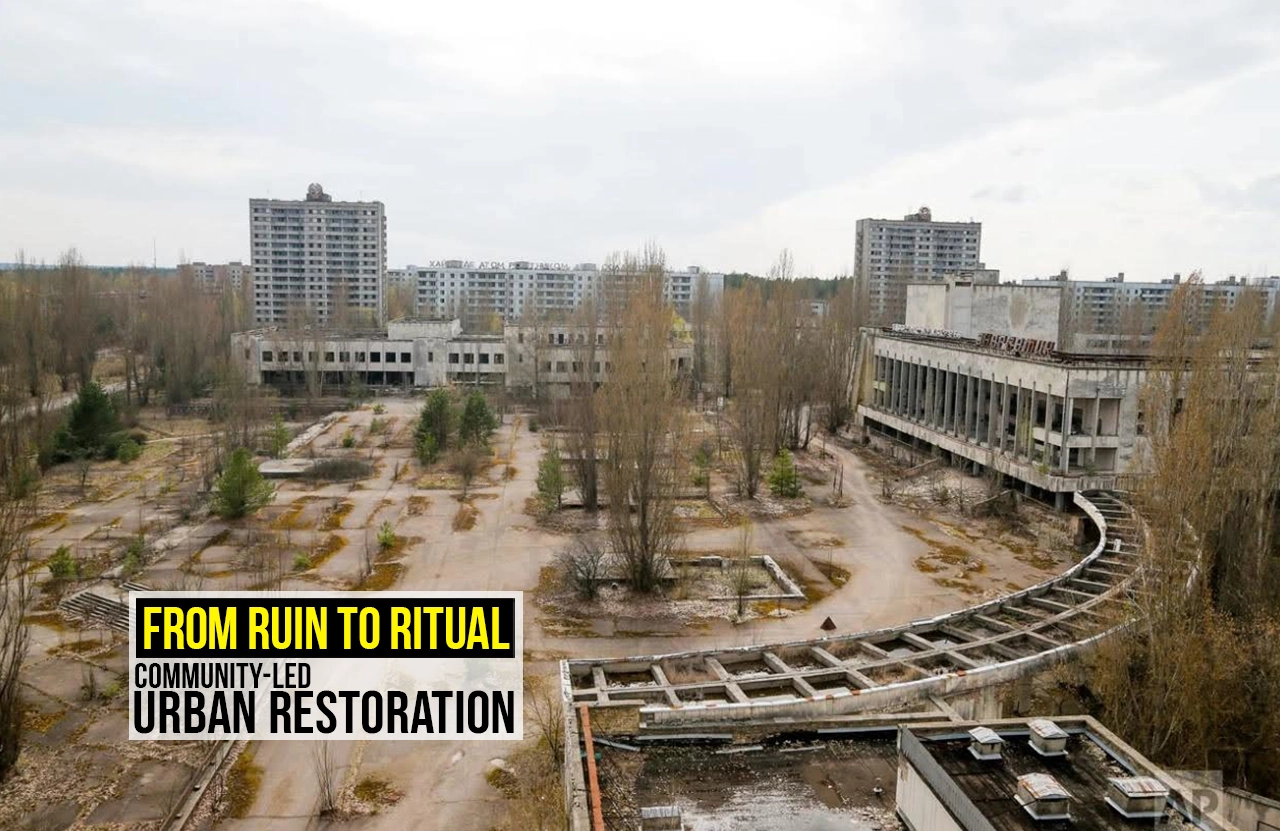
Cities are often understood through their moments of growth, construction, and renewal, yet they are equally shaped by what is left behind. Abandoned buildings, neglected public spaces, unused infrastructure, and forgotten edges form a quieter layer of the urban landscape. These spaces are not always dramatic ruins. More often, they exist as everyday absences, places that have slipped out of formal attention but continue to sit within the collective memory of the city. Over time, such spaces accumulate social meaning through neglect, familiarity, and latent potential.
What transforms these urban fragments is not always large-scale planning or institutional intervention, but the gradual return of people. When residents begin to occupy, clean, repaint, gather, or simply pass through these spaces again, restoration takes on a different character. It becomes repetitive, informal, and embedded within daily life. Through small, continuous actions, neglected places start to acquire new rhythms and functions. Restoration shifts from a singular event to a collective practice.
In this process, the role of the community becomes central. Urban restoration is no longer only about repairing physical structures, but about rebuilding relationships between people and place. As everyday use replaces abandonment, spaces evolve into shared systems of care, participation, and presence. Ruin, in this sense, becomes less a symbol of decay and more a starting point for collective transformation.
Rethinking Ruin in the Contemporary City
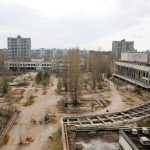
Ruin in the contemporary city is no longer limited to historic decay or architectural collapse. It often appears in quieter forms, as unused plots, deteriorating public facilities, abandoned industrial structures, or spaces that have lost relevance due to shifting economic and social patterns. These conditions reflect not only physical neglect, but also changes in how cities function, grow, and redistribute attention. Ruin becomes a spatial expression of uneven development, where certain areas fall outside dominant cycles of investment and planning.
Urban thinkers have long argued that the life of a city depends less on formal design and more on everyday use, presence, and social interaction. From this perspective, spaces become ruined not simply because they age, but because they are no longer inhabited meaningfully. The idea of the “right to the city” by Henri Lefebvre further suggests that urban space gains value through collective engagement rather than institutional control. Ruin, then, is not an end state, but a condition of temporary disconnection between people and place.
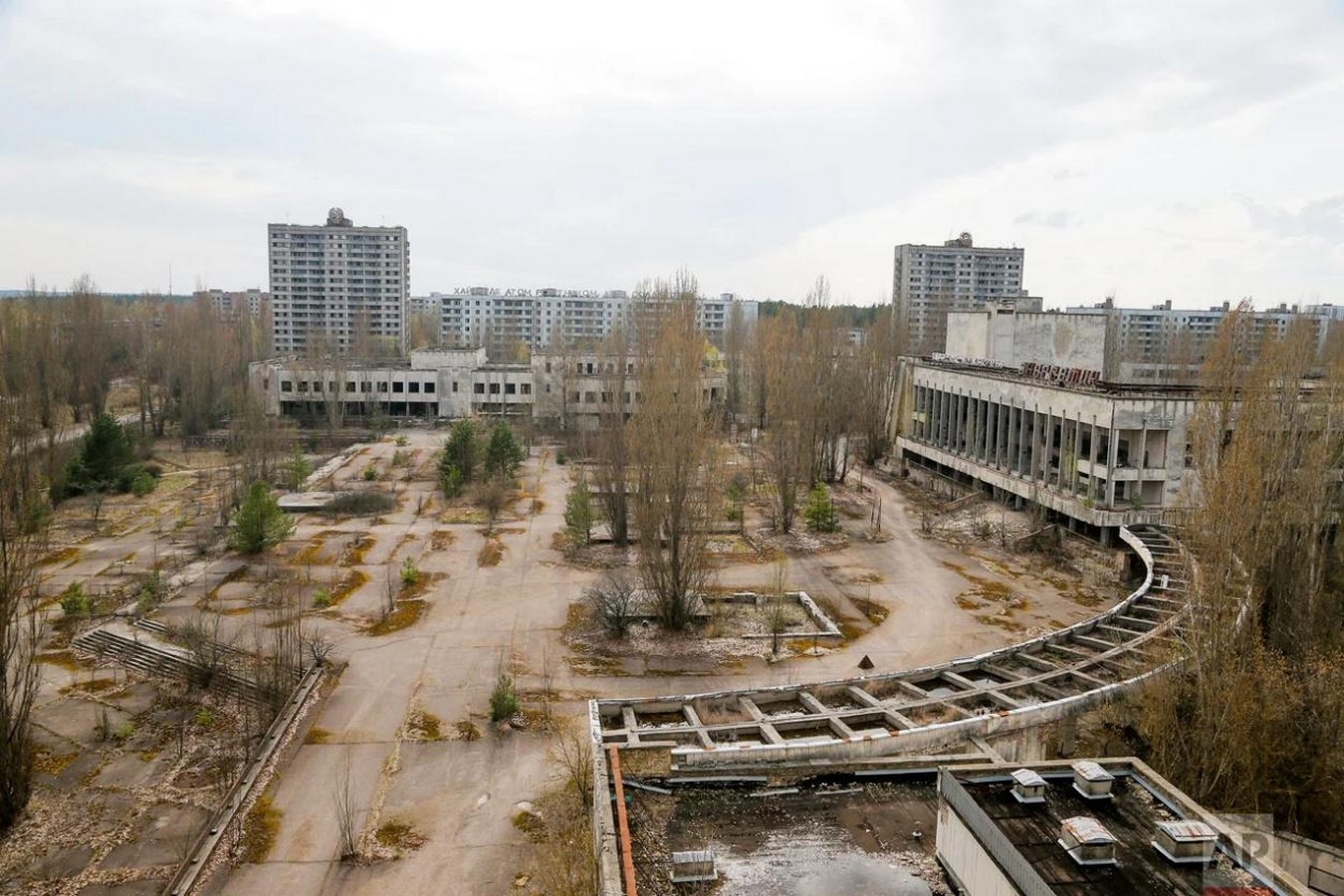
In many Indian cities, this form of ruin is visible in everyday settings, from closed cinema halls and defunct markets to leftover infrastructure and underused public grounds. These spaces exist between formal systems and informal practices, neither fully abandoned nor actively maintained. Their significance lies in their potential, revealing how the community becomes a critical agent in redefining what urban restoration can mean.
Ritual as a Form of Urban Design
Ritual, in an urban sense, does not always refer to formal ceremonies or planned events. It emerges through everyday cultural practices that are repeated over time, shaping how space is used, remembered, and valued. Morning walks through the same park, informal markets that appear and disappear, street vendors returning to familiar corners, or neighbours gathering at the same threshold each evening. These actions are not designed in the architectural sense, yet they function as spatial organisers, gradually producing patterns of movement, pause, and interaction.
Unlike conventional urban design, which often prioritises form and function, ritual operates through repetition and meaning. Space becomes defined not by drawings or zoning, but by habit and shared memory. Over time, these routines transform neglected or undefined areas into recognisable places. A vacant plot becomes a playground. A broken staircase becomes a seating edge. These shifts unfold through intentional, collective presence rather than singular intervention.
In this process, the community acts as both designer and user. By returning to the same spaces and embedding them within everyday life, people create informal systems of care and ownership. Ritual becomes a form of urban design that privileges lived experience over formal control.
Community-Led Urban Restoration
At the heart of community-led urban restoration lies participation. Unlike formal redevelopment projects driven by institutions or private interests, these processes begin with people recognising value in spaces that have been overlooked. Participation often starts quietly, through cleaning, repairing, painting, gathering, or simply occupying a neglected space. These small actions accumulate over time, transforming restoration into a shared and ongoing practice.
What distinguishes this form of restoration is the shift in authorship. Design is no longer imposed from above but emerges from everyday engagement. Decisions are shaped by lived needs rather than abstract plans, allowing spaces to evolve in response to social rhythms. In this context, the community acts as an active spatial agent. Restoration becomes a way of reclaiming agency over the urban environment, where care gradually replaces neglect.
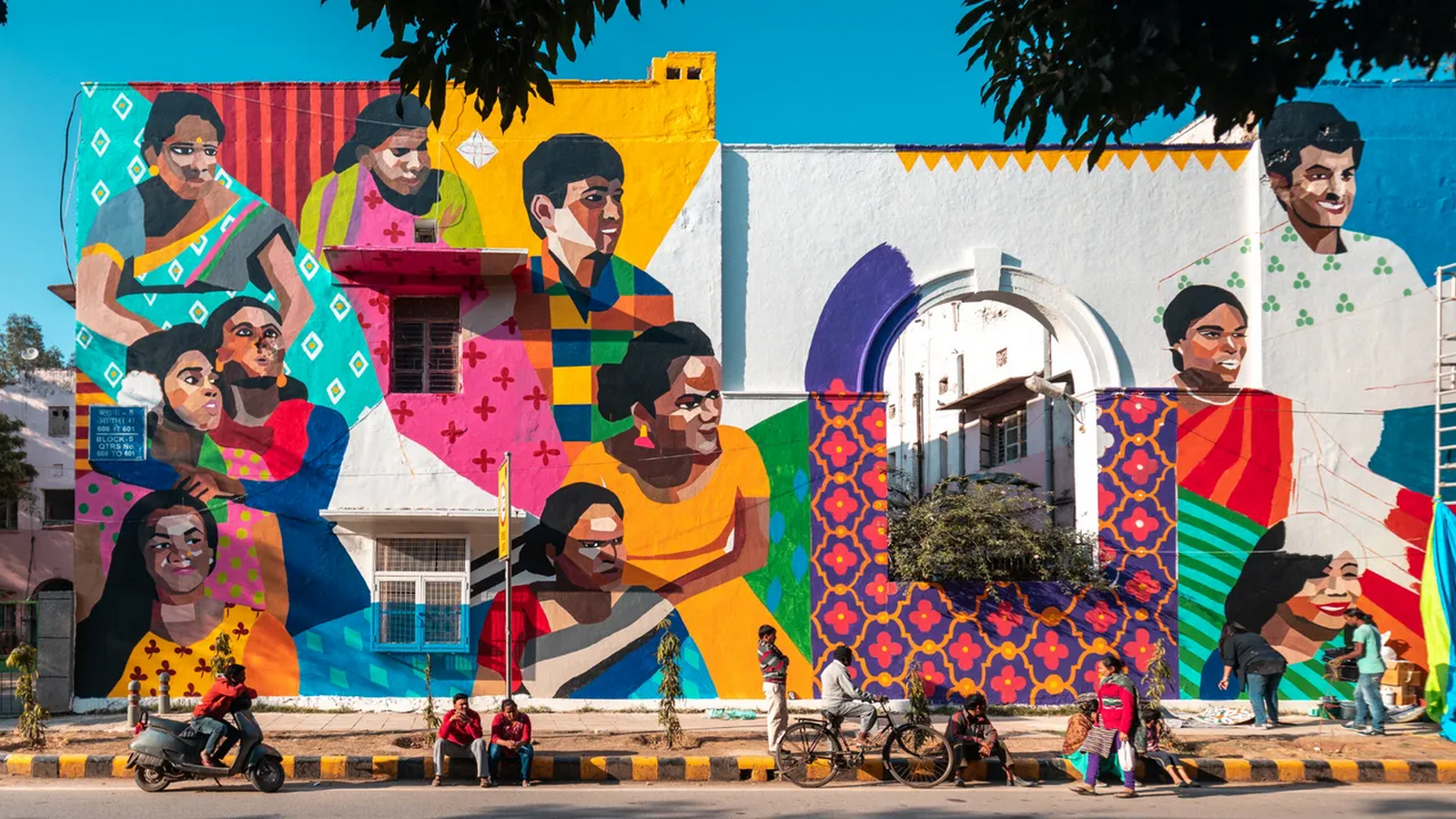
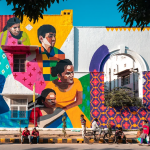
This can be seen in initiatives such as the Aravani Art Project in India, where local residents and marginalised groups collaborate to transform neglected public toilets and urban walls through collective art practices. While the physical outcome is visible, the deeper impact lies in participation itself, reshaping how space is perceived and used.
When People Rebuild Meaning
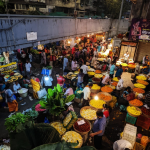
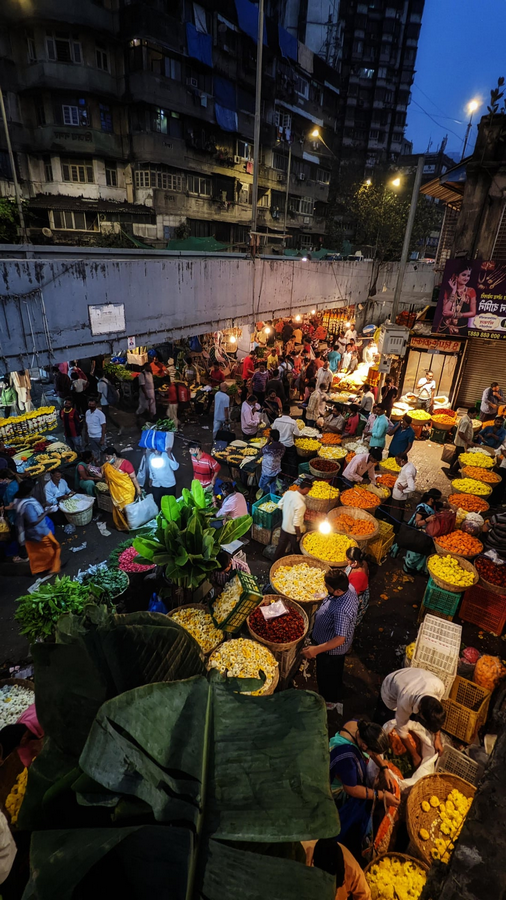
Some of the most compelling examples of urban restoration in India are found in spaces that have never been formally designed as projects, yet continue to function through collective participation. In Mumbai, the Dadar Flower Market operates almost entirely through daily community practice. Occupying streets, railway edges, and leftover urban fragments, the market has no permanent architectural infrastructure. Its spatial order emerges from ritualised routines of arrival, exchange, and occupation. Vendors return to the same locations each morning, pathways are informally negotiated, and the market is dismantled and reassembled every day. Restoration here is not physical repair, but continuous reactivation through repetition.
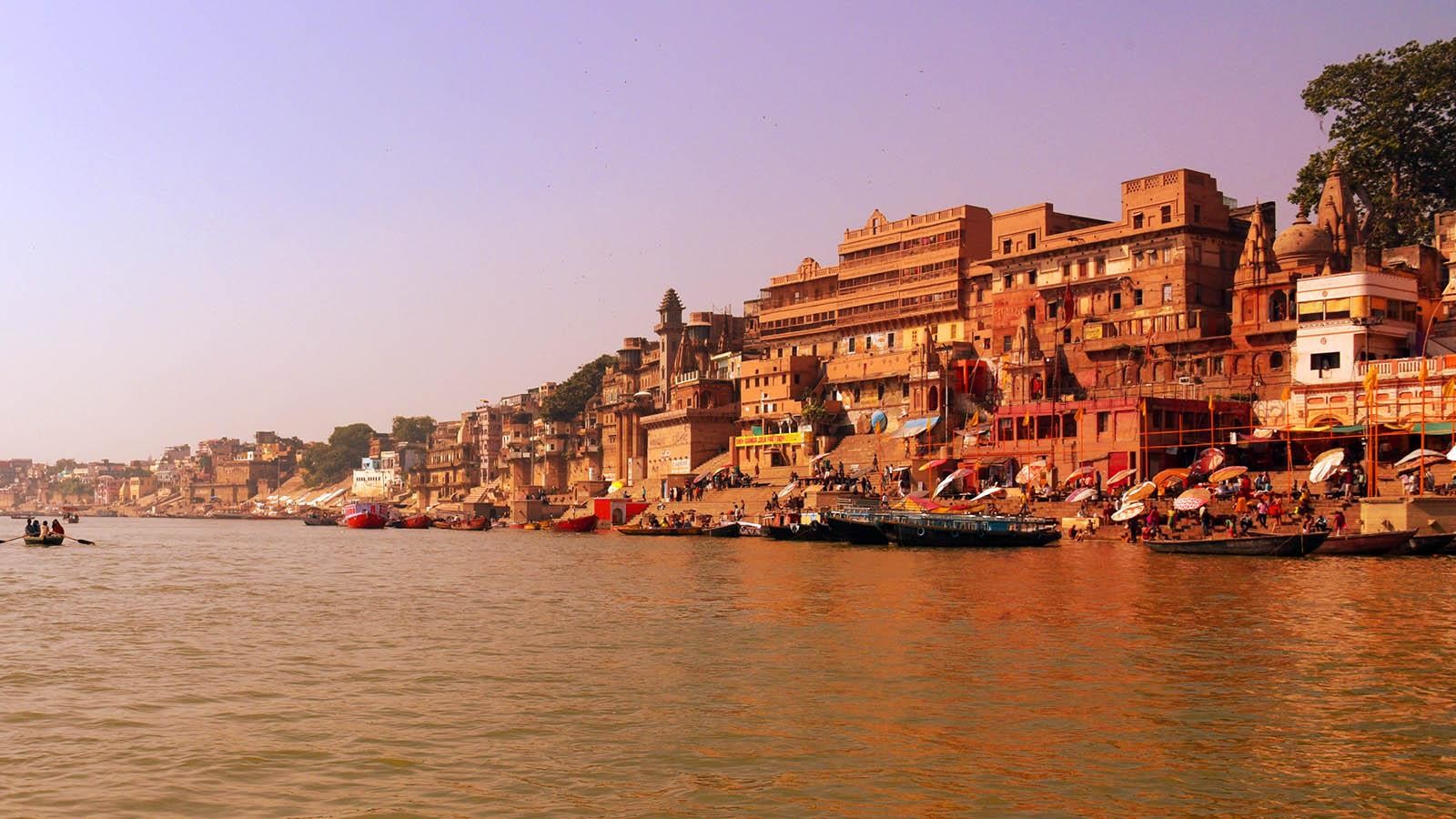
A similar dynamic can be observed at Assi Ghat in Varanasi, where the architectural structure is sustained less by institutional maintenance and more by everyday cultural practice. Ritual bathing, religious gatherings, cleaning, and informal social activities function as acts of collective care. Even when physical elements deteriorate, the space remains meaningful because it is embedded within daily life. That is preserved not through conservation alone, but through constant use.
These examples reveal that restoration does not always require design intervention to be effective. At the same time, such spaces face limitations. Overcrowding, environmental stress, and lack of infrastructural support expose the vulnerability of informal systems. Yet their persistence demonstrates that the community plays a fundamental role in sustaining urban meaning.
Architects as Facilitators, Not Authors
When urban restoration emerges from everyday participation, the role of architects inevitably shifts. Rather than acting as primary authors, architects begin to operate as facilitators within longer social processes. Their contribution lies less in imposing form and more in enabling conditions where collective use can continue and adapt. This requires listening, mediation, and long-term engagement over singular design gestures.
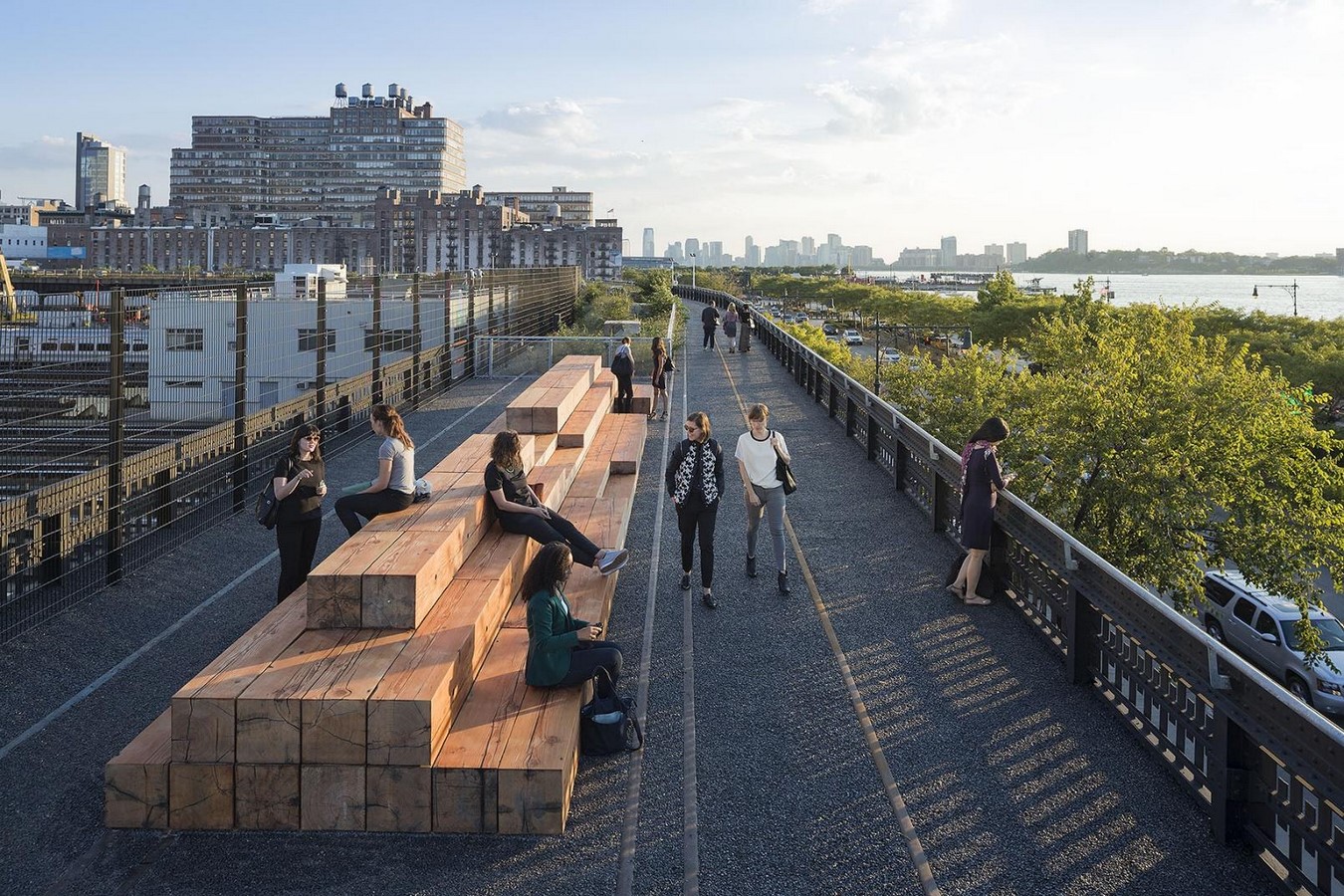
Initiatives such as St+art India illustrate this collaborative model. While guided by designers and curators, the projects rely heavily on local participation and ongoing involvement. Similarly, the High Line in New York demonstrates how grassroots initiatives can intersect with institutional frameworks. In both cases, architects function as translators between social intent and spatial form rather than sole creators of meaning.
This shift also reveals the influence of policy and governance. Permissions, maintenance structures, and funding mechanisms often determine whether community-led initiatives can sustain themselves. Yet even within these frameworks, success depends largely on continued social engagement. Architecture becomes effective not through control, but through collaboration.
When Cities Are Cared For
Urban restoration, when observed through everyday practice, reveals itself as more than a technical task. It becomes a social process shaped by repetition, memory, and collective presence. Spaces are not simply repaired or redesigned. They are re-entered, re-inhabited, and slowly re-integrated into daily life. Restoration becomes less about returning a place to a previous state and more about allowing it to acquire new meaning through use.
What distinguishes community-led processes is their emphasis on continuity rather than completion. Change unfolds gradually, through small acts of care that accumulate over time. These actions may lack formal recognition, yet they sustain urban spaces in ways that large-scale interventions often cannot. Participation becomes a form of spatial intelligence, where people respond directly to what a place needs rather than what it is meant to represent.
This perspective invites a quieter understanding of architecture. Instead of producing definitive solutions, it supports conditions where spaces evolve through shared responsibility. As cities continue to transform, the most meaningful forms of restoration may emerge not from master plans, but from everyday acts of care that allow places to remain lived, relevant, and collectively sustained.
Jacobs, J. (1961) The Death and Life of Great American Cities. New York: Random House.
Lefebvre, H. (1968) Le droit à la ville. Paris: Anthropos.
High Line (2023) History of the High Line. [online]. Available at: https://www.thehighline.org/history/
(Accessed: 30 January 2026).
St+art India Foundation (2022) About St+art India. [online]. Available at: https://startindia.in/about/
(Accessed: 30 January 2026).