Sports journalism in 2026 looks nothing like it did even a decade ago. The days when access alone made you valuable are gone. Scores break on social media, press conferences are live streamed, and athletes often tell their own stories directly to fans. The modern sports journalist has to earn attention, trust, and relevance every single day.
Being “good” now is less about being first and more about being worth reading.
Context Beats Speed
Breaking news still matters, but speed without insight is a dead end. Fans already know the score, the trade, or the injury before most articles are published. What they want next is context.
A good sports journalist explains why something happened, what it means long term, and how it fits into a broader pattern. That could be tactical analysis, financial implications, locker room dynamics, or historical comparisons. The best writers make the reader feel smarter after reading, not just updated.
Original Reporting Still Matters
Despite all the noise, original reporting is still the backbone of credibility. That does not always mean huge exclusives. It can be small things done consistently well, better sourcing, deeper background work, or asking smarter questions than everyone else in the room.
In 2026, access is harder to come by, but relationships still matter. Journalists who are fair, accurate, and not constantly chasing outrage tend to get better information over time.
Strong Opinions, Backed by Facts
Neutral game recaps are a commodity. Opinions are what differentiate writers, but only when they are informed.
A good sports journalist is not afraid to take a stance, criticize decisions, or challenge narratives, but they do it with evidence. They understand data, but also know its limits. They can blend stats, observation, and reporting without sounding like a spreadsheet or a fan rant.
Platform Awareness
Sports journalism no longer lives in one place. A good journalist understands how stories travel.
Long-form analysis might live on a website or newsletter. Breaking reactions might belong on social platforms. Video, audio, and written work all serve different purposes. In 2026, being adaptable across formats is a major advantage, even if writing remains the core skill.
Ethical Judgment in a Viral World
The pressure to publish quickly has never been higher, but mistakes spread faster than ever too. A good sports journalist knows when not to publish.
This includes handling rumors, private information, and sensitive topics like injuries, mental health, or legal issues. Being accurate and fair matters more than feeding the outrage cycle for short-term clicks.
Sourcing Images the Right Way
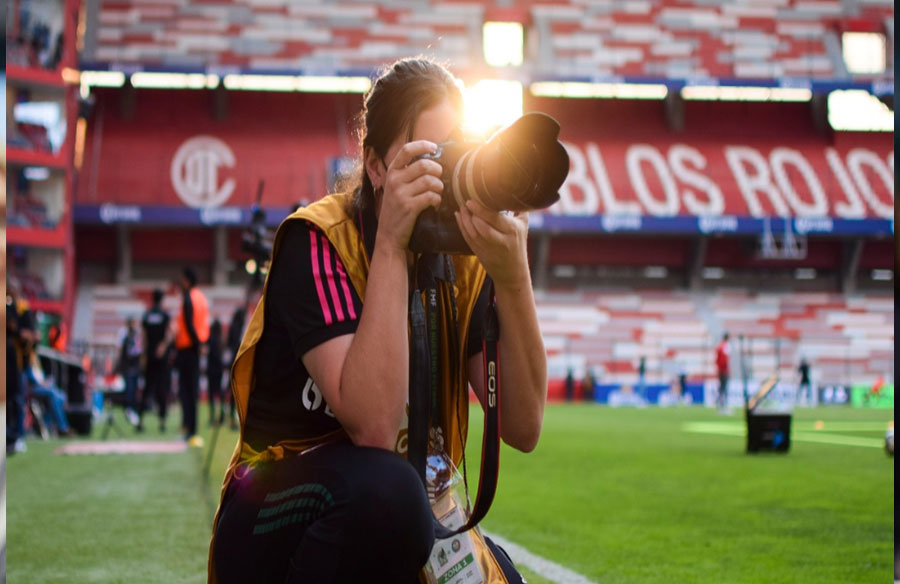
Images are a crucial part of sports storytelling, especially in a visual, social-first media environment. A good sports journalist understands that image sourcing is not an afterthought.
Editorial images are the standard for sports reporting. These are photos taken to document real events, such as live game action NFL or MLB photos, not staged or promotional content. They are licensed specifically for news and commentary, and they come with usage rules that must be respected.
Reputable editorial image platforms provide access to game action, press conferences, and behind-the-scenes moments across major leagues and events. Many now offer strong coverage of niche sports as well, which is increasingly important as audiences fragment.
Using the right images means checking licenses, understanding attribution requirements, and avoiding commercial use where it is not allowed. Journalists who ignore this risk takedowns or legal trouble, especially as publishers tighten compliance in 2026.
Just as important, good image selection adds value. The right photo can reinforce a narrative, highlight emotion, or show something words alone cannot.
A Clear Voice
Finally, the best sports journalists sound like themselves. In a crowded media landscape, voice matters more than ever.
That does not mean gimmicks or forced personality. It means clarity, confidence, and consistency. Readers come back because they trust how a journalist sees the game, the industry, and the people in it.
In 2026, a good sports journalist is not just a reporter. They are an analyst, a curator, a storyteller, and a filter in an overwhelming information environment. Those who can balance all of that without losing integrity are the ones who stand out.