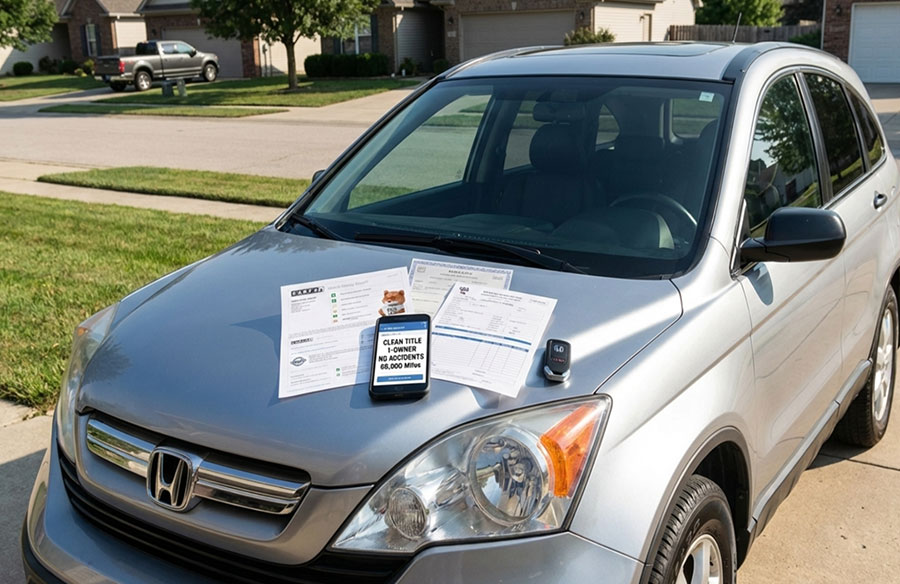
Buying a used car today doesn’t feel as complicated as it used to. Listings appear fast. Photos look sharp. Sellers respond within minutes. This ease also creates risk. Not every detail appears in a listing. Not every claim is complete. Vehicle transparency helps buyers handle this gap.
Vehicle transparency means clear access to a car’s true history and condition. It reduces hidden facts. It supports honest deals. Modern buyers expect openness before paying money. Transparency builds trust and lowers regret.
This article explains what is the means of vehicle transparency for modern buyers. It shows why it matters, how it works, and where limits remain. The goal is simple. Help buyers make clear and calm choices.
The Meaning of Vehicle Transparency
When sellers give purchasers a thorough explanation of a car’s past and present condition, this is known as vehicle transparency. This includes history, condition, and legal status.
It removes guesswork from buying. Buyers see facts instead of promises. Sellers show proof instead of opinion.
Transparency does not mean perfection. It means honesty about what is known. It also means admitting what is unknown.
For modern buyers, transparency is not optional. It is expected.
Why Modern Buyers Demand Transparency
Buyers today have more choices. Online markets show thousands of listings at once.
With more choice comes higher standards. Buyers compare details quickly. They notice missing information.
Hidden facts cause distrust. Buyers walk away when details feel vague.
Transparency gives consumers a sense of security and worth. It indicates the seller’s honesty.
Online Car Sales and Information Gaps
Most used car searches start online. Buyers review photos and short descriptions first.
Photos hide wear. Descriptions focus on strengths. Weak points often stay hidden.
This creates information gaps. Buyers cannot touch or test the car yet.
Transparency fills these gaps early. Records and clear details help buyers decide which cars deserve a visit.
The Role of Vehicle Records in Transparency
Vehicle records support transparency with facts. They show recorded events over time.
Ownership, title status, accident history, and driving mileage are frequently covered in records.
Each record answers a question. Who owned the car. How it was used. What damage occurred.
When records are shared upfront, trust grows faster. Buyers feel safer moving forward.
The Importance of the VIN
The VIN is central to transparency. It confirms a car’s identity.
The VIN links all records to one vehicle. It prevents mix ups and false claims.
Buyers should always check the VIN on the car and papers. This step confirms that records match the vehicle.
Clear VIN use is a basic sign of honest selling.
Transparency and Seller Behavior
Transparent sellers share records willingly. They answer questions clearly.
They allow inspections and checks. They do not rush buyers.
This behavior builds confidence. Buyers feel no pressure to decide fast.
Sellers who avoid questions raise concern. Silence creates doubt.
Transparency is clear when sellers act openly, not only when they talk.
How Transparency Protects Buyers
Transparency reduces risk. It helps buyers avoid unsafe or illegal cars.
Accident history alerts buyers to inspect closely. Title records prevent ownership issues.
Mileage records reduce fraud risk. Ownership records show use patterns.
Each clear detail lowers one risk. Together, they support safer buying.
Transparency and Vehicle Inspections
Transparency does not replace inspections. It improves them.
Records guide where to look. Accident data points to repaired areas.
Buyers inspect with focus. Mechanics test likely weak points.
This saves time and money. It also improves decision quality.
Transparency in Pricing Discussions
Transparency makes price talks simple. Both sides use real details, not guesses.
Accident history may lower value. Clean records support the asking price.
Mileage trends affect wear expectations. Ownership history affects demand.
Fact based talks feel fair. Transparency reduces conflict and stress.
Limits of Vehicle Transparency
Transparency has limits. Not all events are recorded.
Minor repairs may leave no record. Some damage appears later.
Data delays also exist. Recent events may not show yet.
Transparency means sharing known facts. It does not guarantee a perfect record.
Buyers should understand these limits. Awareness prevents false confidence.
Free Information Versus Detailed Reports
Some transparency comes from free sources. These may show recalls or theft status.
Detailed reports offer deeper insight. They include accidents, titles, and mileage logs.
Buyers should choose based on risk. High value cars deserve deeper checks.
Any verified detail improves transparency. Small facts still matter.
Special Cases That Need High Transparency
Some vehicles require extra openness.
Cars from storm areas may hide water damage. Records may show storm related titles.
Imported vehicles may have data gaps. Sellers should explain records clearly.
Older vehicles may lack early records. Focus shifts to recent condition and care.
In these cases, honesty matters even more.
Transparency and Buyer Confidence
Transparency builds confidence. Buyers feel informed and respected.
Confident buyers ask better questions. They avoid rushed decisions.
This leads to better outcomes. Regret becomes less likely.
Transparency makes buying a car calm and stress-free, not risky.
Doing the Right Thing in Car Sales
Vehicle transparency supports fair trade. It protects buyers and honest sellers.
Using records responsibly matters. Data should inform decisions, not pressure people.
Clear sharing builds a healthier market. Trust grows over time.
Being fair when selling benefits all sides.
How Transparency Has Become a Must for Modern Buyers
Transparency is something buyers expect automatically now. Market norms have changed.
More data is now available. Buyers know this.
Sellers who hide details lose interest quickly. Open sellers stand out.
Transparency is no longer a bonus. It is a standard.
Final Thoughts for Buyers
Transparency with vehicles is more important now than before. It reduces risk and stress.
It works best with inspections and expert checks. No single step is enough.
Buyers should stay patient and alert. Clear facts protect better than promises.
Seek transparency. Ask for proof. This approach supports safe and confident car buying.