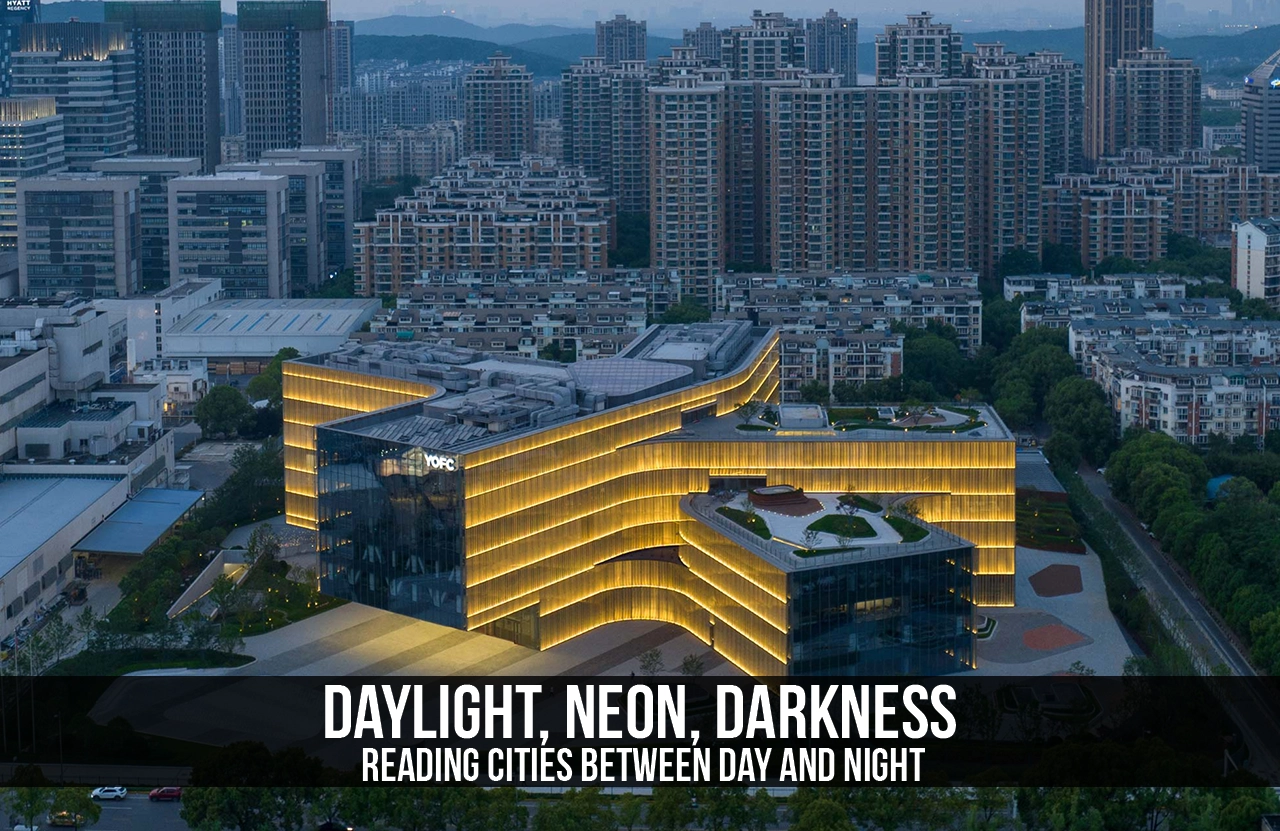
There is a time for everything, and a season for every activity under the heavens, a wise man once said.
An Invisible Switch
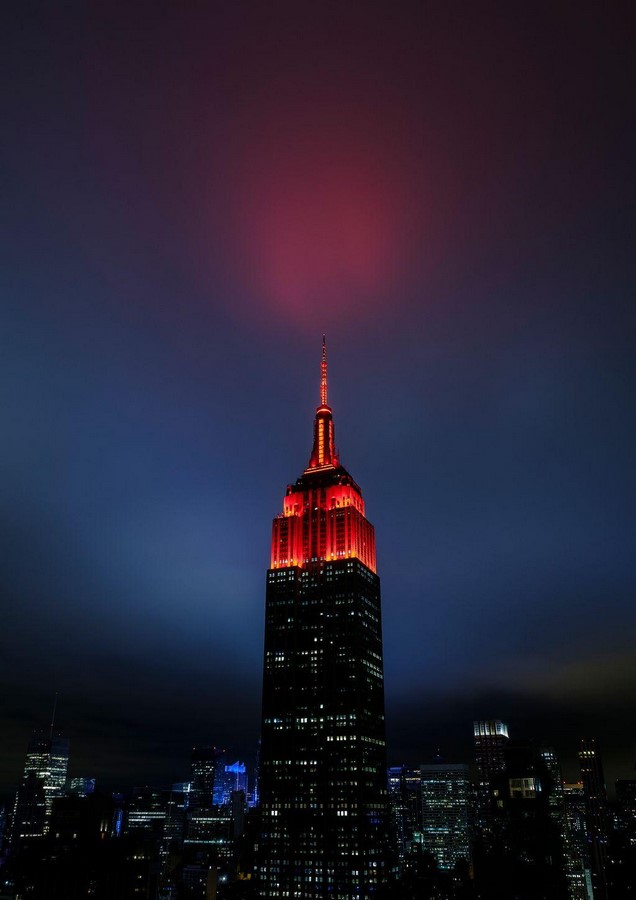
Light switches are very small boxes on the wall, but they hold the power to control whether the room is lit or not. In a similar way, in nature, there is an invisible switch that controls the illumination experienced. This invisible switch goes off at different times in different regions and for varying durations. This invisible switch takes the world from morning to night and back to morning.
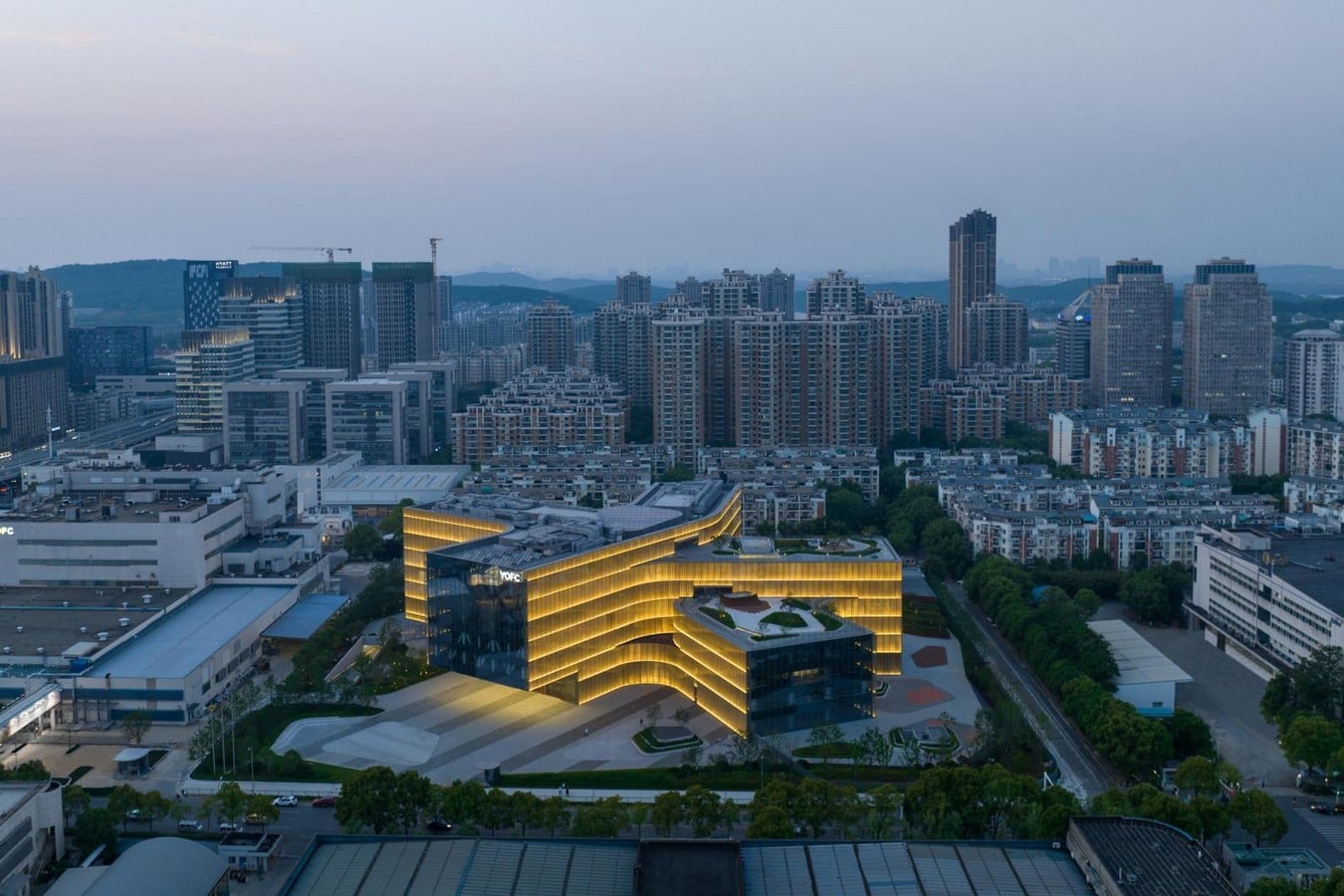
While this switch may seem like it only signals a change in illumination level, in nature, we notice that it, however, means a change in activities. Some sort of handover of leadership and influence. Like nature has its members on a kind of shift. The word “Nocturnal” is often used to describe predominant activity at night, like there are nocturnal animals, which sleep through the day shift and are only active at night.
These animals are not just taking over a shift, but they are fundamentally different from the ones that are active during the day; their senses are more tuned to the night: sharper vision, enhanced smell and hearing. All these modifications, or better put, differences, ensure they function optimally at night.
“Nocturnal” Architecture?
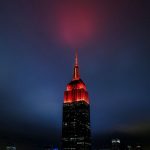
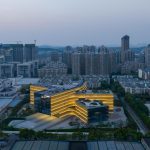
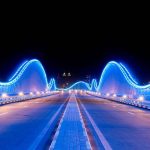
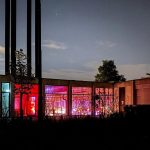
Similar to the animal world, the world of humans and the world of architecture also reveal a great difference in activities and systems predominant during the day versus during the night. The idea of nocturnal or night architecture simply refers to the possibilities attainable with illumination at night. It looks at how light can be modified and enhanced to achieve different dimensions of beauty from buildings at night.
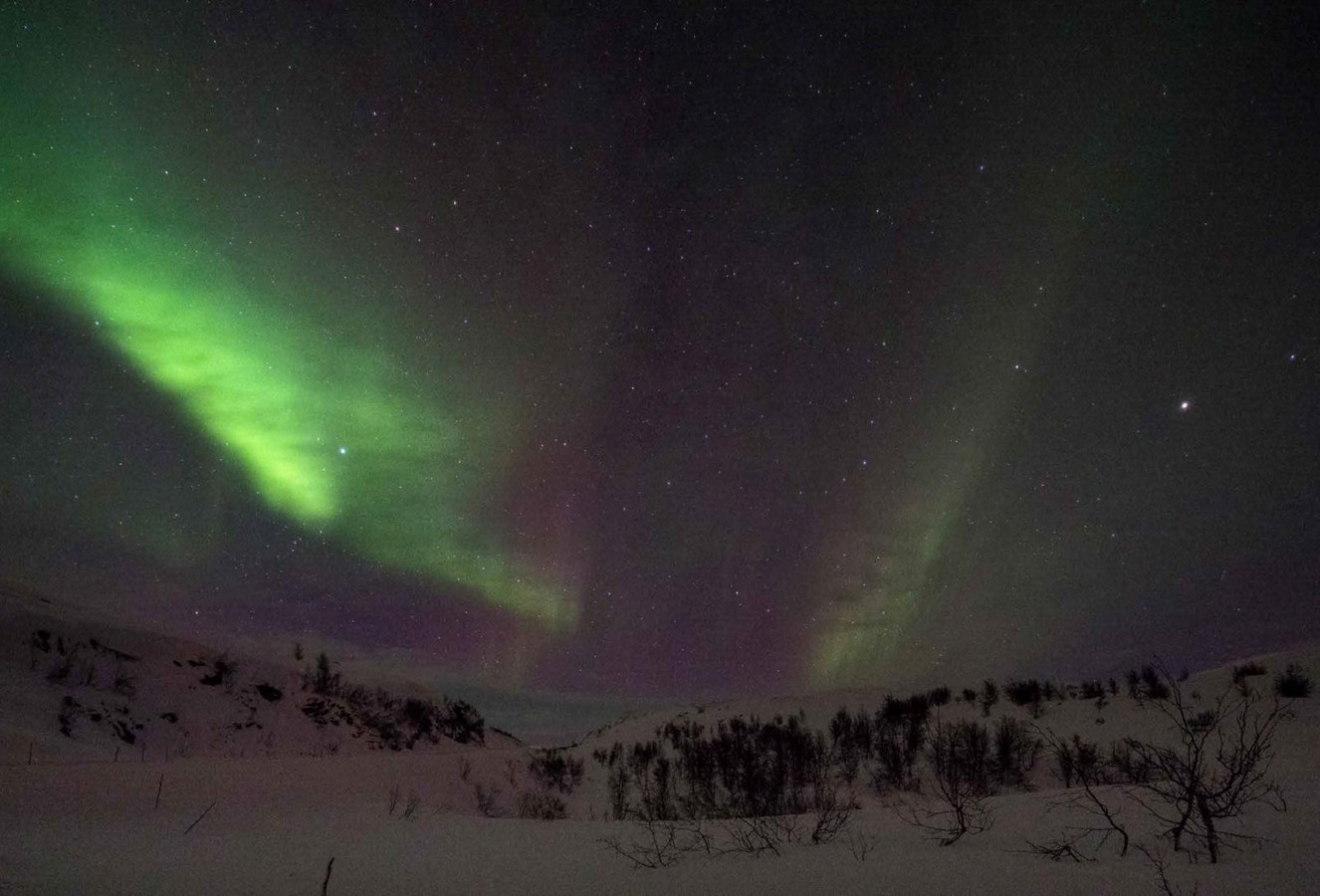
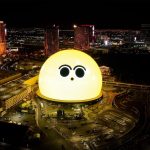
With nocturnal architecture, different experiences can be created that otherwise would not have been noticed during the day. It is the idea and concept that certain things shine better in the dark. The ability to highlight features that would otherwise have been hidden in daylight. In Night architecture, Lights are the secret. With a good understanding of the effects and functions, a rather boring block could become the star of the street or neighbourhood. Nocturnal architecture builds on the observation that stars shine on the backdrop of a very, very dark sky.
Light and Atmosphere
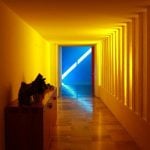
Light is a very powerful tool in curating atmospheres and emotions. In architecture, special attention is placed on properly designing to modify the intensity and quantity of light that a space has. With the right understanding and skill of light temperature, intensity and surrounding environment, spaces can be used to evoke certain emotions.
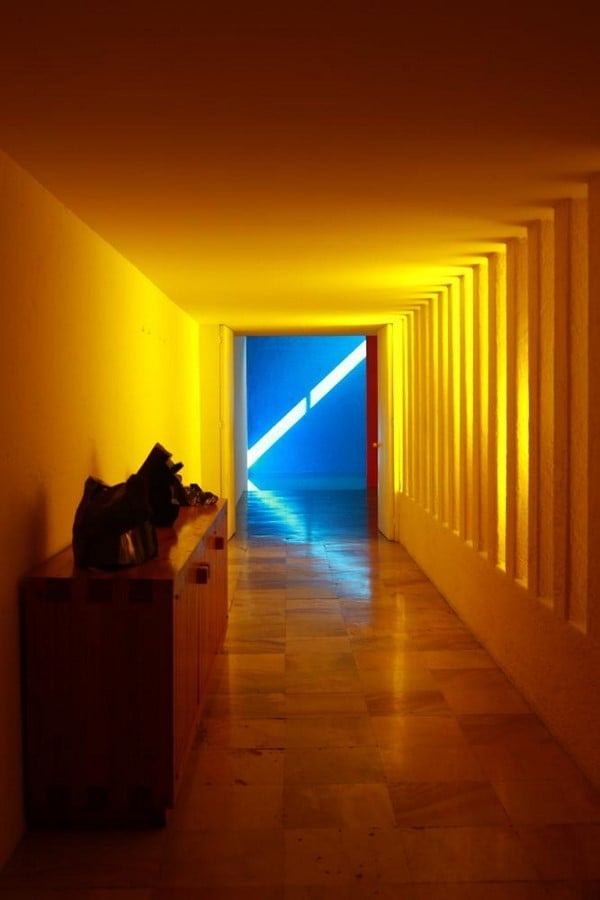
Natural lighting has its limitations when it comes to modifying and creating atmospheres, especially since there is limited control over daylight. The colour and texture of the materials in the spaces can be used to adjust how light is reflected during the day, but artificial lighting creates the most possibilities for evoking emotions.
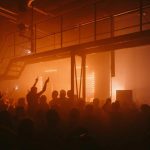
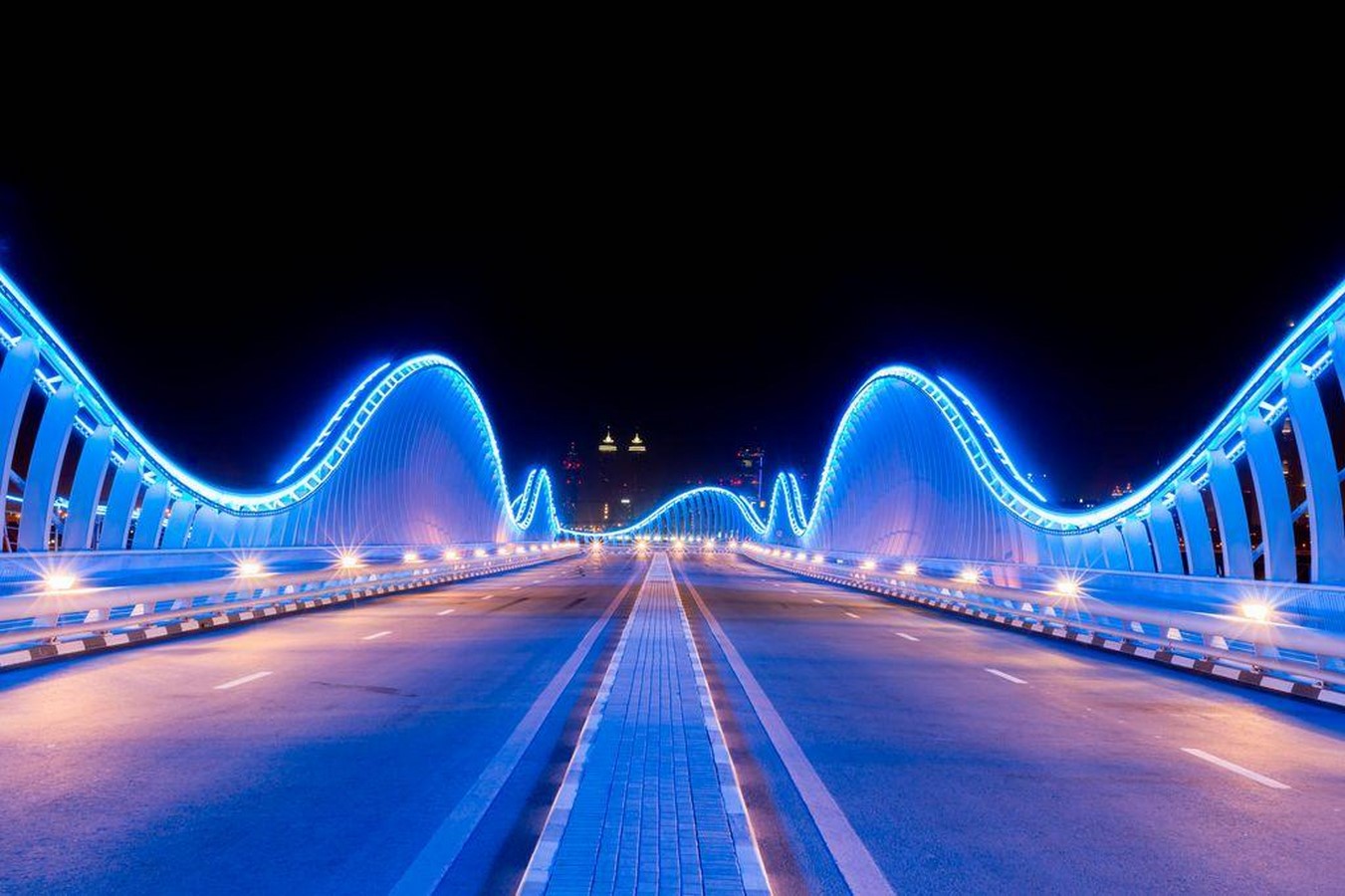
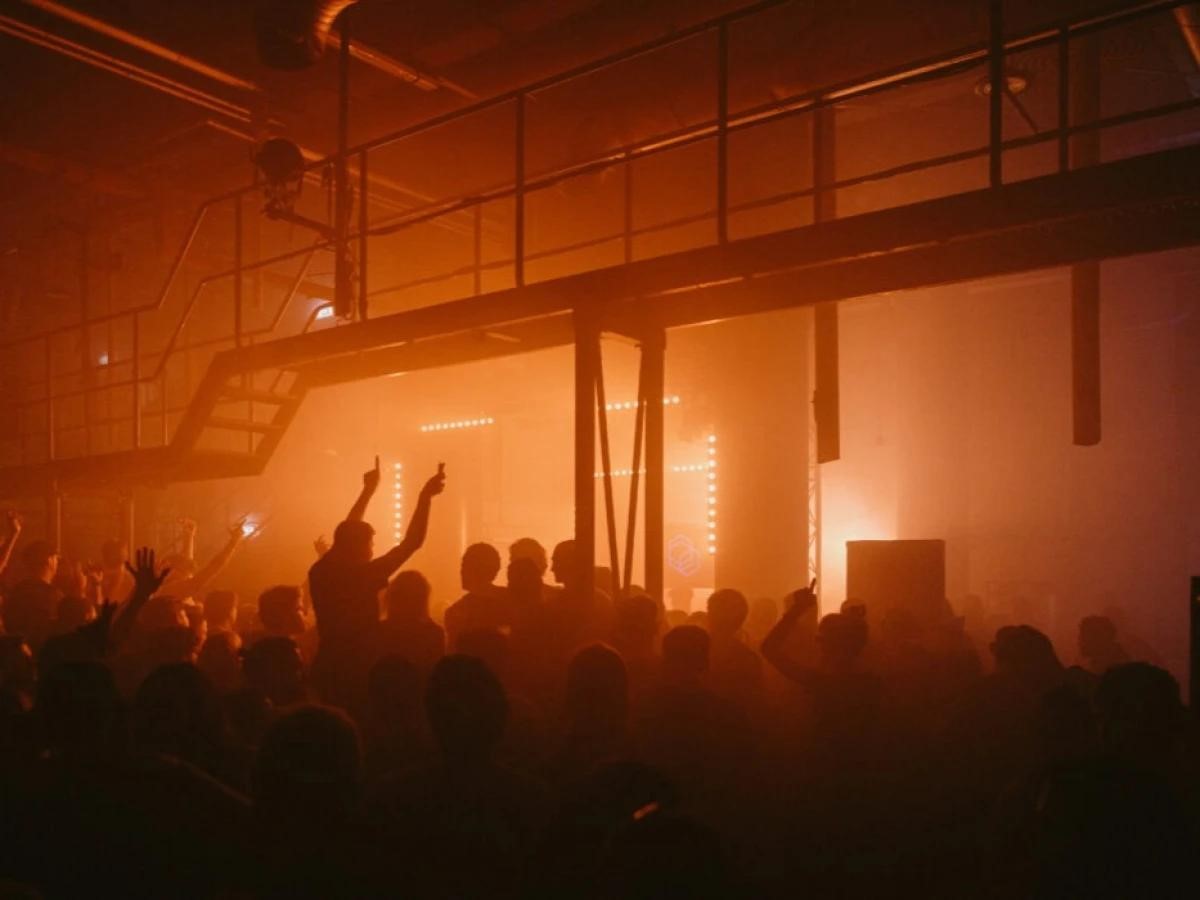
With artificial lighting and by using different lighting techniques, different moods can be set for different spaces. This is the greatest tool that night architecture rests on. Light is used in nocturnal architecture to evoke emotions consistent with the function of the space. For example, clubs open at night and the lighting scheme features dim lighting, neon colours, and coordinated movements of the light. All of these are done to evoke a feeling of excitement, relaxation and mystery for the guests.
Light and Activities
Similar to how club lighting is targeted at evoking a sense of mystery and secrecy. The way light is used can be used to determine the kind of activities that thrive in the urban space. This is dependent on the factors of safety and comfort.
Properly illuminated spaces create a sense of honesty and clarity, and at night, these spaces will attract more use. However, most people will shy away from urban spaces that are dark because of the fear of uncertainty. It is no wonder that crime usually thrives in areas that are not properly illuminated. For example, the presence of very bright street lights means people are more comfortable walking in an area late at night. This illumination can also attract usage and hence increase nighttime activities in the space
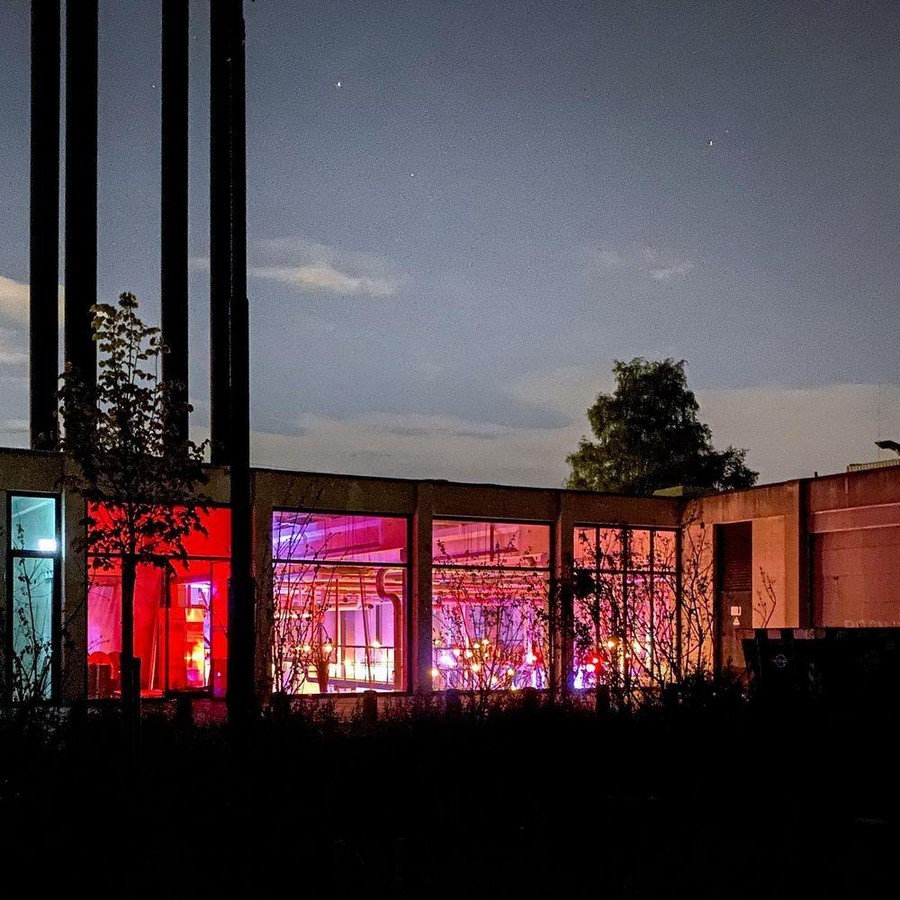
Research has shown that by increasing visibility through lighting, crime rates can be significantly reduced by as much as 36% reduction in areas of high crime.
Day VS Night
Lighting is a very powerful tool that needs to be carefully wielded. On the bright side, it is beneficial to explore the use of lighting in urban spaces at night. It is, however, important to also consider that the vast majority of humans are active during the day, and increasing activity at night, especially in residential areas, can lead to the destabilisation of the standard routine of the inhabitants in that area.
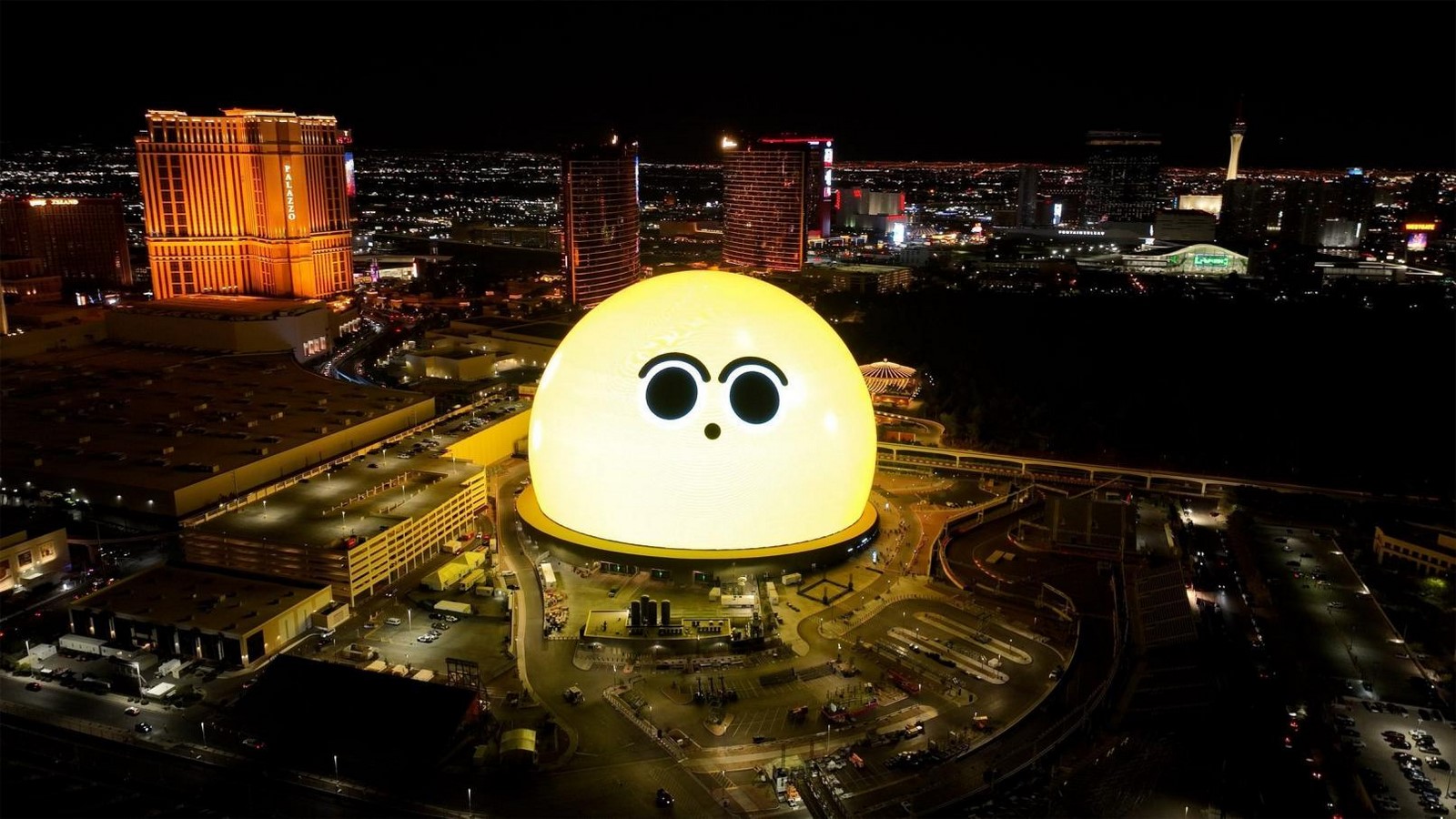
In a bid to also continue to protect wildlife and naturally nocturnal animals, considerations must be put in place to ensure their ecosystem is not damaged by the highly illuminated cities that are being built. Greater light may be greater for humans, but disastrous to ecosystems that thrive in darkness.
CITATIONS:
ArchDaily, 2025. Beyond Form: How Light and Shadow Define Architectural Atmosphere. ArchDaily. Available at: https://www.archdaily.com/1027315/beyond-form-how-light-and-shadow-define-architectural-atmosphere [Accessed 11 Jan. 2026].
Architizer, 2023. Built for the Night: Architecture Comes Alive After Dark. Architizer. Available at: https://architizer.com/blog/inspiration/collections/built-for-the-night-architecture-comes-alive-after-dark/ [Accessed 11 Jan. 2026].
Bogard, P., 2021. The Magic of the Night. Daylight & Architecture #25. Available at: https://www.daylightandarchitecture.com/the-magic-of-the-night/ [Accessed 11 Jan. 2026].
Leonardi, P., 2025. The Role of Light Design in Nightclubs. Atmosfera Mag. Available at: https://www.atmosferamag.it/light-design-nightclub-history/ [Accessed 11 Jan. 2026].
The Holy Bible, 2025. Ecclesiastes 3:1, English Standard Version (ESV). Available at: https://www.bible.com/bible/111/ECC.3.1 [Accessed 11 Jan. 2026].
Wikipedia, 2025. Architecture of the night. Available at: https://en.wikipedia.org/wiki/Architecture_of_the_night [Accessed 11 Jan. 2026].