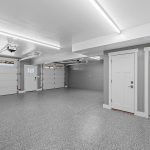
For the tech-savvy homeowner, the garage is often the last frontier of home automation. We have optimized our heating with smart thermostats, secured our front doors with video bells, and automated our lighting with voice commands. Yet, the largest moving object in the home the garage door frequently remains an analog island in a digital stream. This is a missed opportunity. Integrating your garage door into your smart ecosystem does more than just add a layer of convenience; it unlocks significant gains in security, energy efficiency, and data-driven home management.
Modernizing this entry point allows you to patch physical security vulnerabilities and monitor access logs in real-time. Whether you are a developer looking to script custom home routines or simply a gadget enthusiast wanting to streamline your arrival, treating the garage door as a programmable asset is the next logical step in smart home evolution.
The Logic of Smart Access Control
The traditional garage door opener operates on a simple RF signal. While functional, it lacks the feedback loop required for true automation. Upgrading to a Wi-Fi-enabled controller or a smart logic board changes the game. These systems allow for two-way communication, meaning the door doesn’t just receive commands; it reports its status back to the network.
This connectivity enables geofencing scripts that automatically close the door when your mobile device leaves a defined radius. For those who live by data, access logs provide a timestamped history of every cycle. You can verify exactly when the door was opened and by whom, adding a layer of auditability to your home security. If you are managing a property remotely, being able to grant temporary, time-restricted digital keys to contractors or guests eliminates the security risk of sharing physical codes.
Hardware Reliability in a Digital World
Software is only as reliable as the hardware it controls. A smart opener cannot compensate for a mechanically compromised door. In fact, adding automation to a failing system often accelerates the breakdown. Smart motors have force sensors that will shut down operation if they detect excessive resistance from worn rollers or unlubricated springs.
Before layering technology onto your system, a physical audit is required. Check the balance of the door by disconnecting the opener and lifting it manually. It should float at waist height. If it slams down, the torsion springs are fatigued. In regions with harsh climates, mechanical health is even more critical. Homeowners seeking st cloud garage door repair often find that their smart openers are throwing false error codes simply because the physical tracks are contracted from the cold or the grease has thickened. Ensuring the mechanical “backend” is optimized is a prerequisite for successful automation.
Energy Efficiency: The Algorithmic Approach
We often think of energy efficiency in terms of insulation R-values, but air infiltration is a major variable. A garage door that is left open for even 10 minutes longer than necessary in winter acts as a massive heat sink, pulling thermal energy from the attached home. Smart automation solves this through “time-to-close” rules. You can script your system to automatically lower the door if it has been open for more than 15 minutes, preventing human error from spiking your heating bill.
Furthermore, integrating the garage door state with your smart thermostat can optimize your HVAC usage. If the garage door is open, your thermostat can pause the heater in the adjacent mudroom to prevent energy waste. For this to work effectively, the physical seal must be tight. Upgrading to a polyurethane-insulated door provides the necessary thermal break to make these algorithmic adjustments meaningful.
Security Protocols and Visual Verification
In the realm of physical security, redundancy is key. Modern smart openers are moving beyond simple state reporting to include visual verification. Integrated wide-angle cameras with night vision allow you to correlate a “door open” alert with a live video feed. This distinguishes a false alarm from a legitimate security event.
For households with high-value equipment in the garage, this visual audit trail is invaluable. It allows for real-time intervention, such as using two-way audio to speak to a delivery driver. When selecting an opener, look for models that support rolling code encryption (Security+ 2.0 or similar protocols) to prevent replay attacks, a common vulnerability in older, static code systems.
When to Debug vs. When to Call Support
Troubleshooting a smart garage door system requires distinguishing between a network error and a mechanical failure. If the app says “device offline,” you are likely dealing with a Wi-Fi signal strength issue or a router conflict. However, if the app reports “motor overload” or “force limit error,” the issue is physical.
Attempting to fix high-tension mechanical components like torsion springs is dangerous and not a suitable DIY project. These components store lethal amounts of kinetic energy. When the hardware throws a critical exception, it is time to escalate to a professional. Teams like Superior Garage Door Repair have the specialized tools to safely unwind springs, replace frayed cables, and align tracks to factory specifications. They ensure that the physical layer of your stack is robust enough to support your automation goals.
Future-Proofing Your Setup
The smart home landscape is fragmenting into different ecosystems like HomeKit, Alexa, and Google Home. When choosing a garage door interface, look for API compatibility or Matter support to ensure long-term interoperability. A modular approach allows you to upgrade the connectivity bridge without replacing the entire motor unit.
By viewing your garage door as a programmable device rather than a dumb appliance, you gain control, data, and efficiency. It is a high-return upgrade that modernizes the functionality of your entire home.