Business growth often puts pressure on a workplace that previously worked fine. More people, more meetings, and higher day-to-day activity can quickly reduce comfort, privacy, and productivity. A rushed upgrade may improve appearance but still leave operational gaps.
This blog explains the key steps for expanding companies to plan a commercial fit-out with clear priorities, controlled costs, and a delivery plan that supports a smooth move into the upgraded space.
Step 1 – Define Business Objectives Before Design
Start with clear goals. Confirm how many people the office must support now and in the near future. Note how teams work, including how often they collaborate and how much quiet work they do. Decide what the space needs, such as workstations, meeting rooms, cabins, reception, pantry, and storage. Also list key technology needs, such as power points, network cabling, and video meeting set-ups. Clear goals help reduce changes later.
Step 2 – Assess the Space and Regulatory Requirements
Check the site before final design. Review the condition of floors, walls, ceilings, and existing services. Confirm whether electricity and air-conditioning can support the planned seating and equipment. Understand building rules for work timings, access, loading, and waste disposal. If the plan includes commercial refurbishment, confirm what can be kept and what must be repaired or replaced.
Step 3 – Establish a Realistic Budget and Timeline
Set a budget with design fees, civil work, electrical, HVAC, plumbing, flooring, furniture, IT, and a contingency for unexpected issues. Build a timeline that includes design sign-off, ordering materials, installation, and testing. Keep time for inspections and final finishing. Avoid tight schedules that push work too fast. A realistic plan supports better quality and fewer last-minute problems.
Step 4 – Choose the Right Fit-Out Partner
Choose a partner who can manage the project in a planned way. Check experience with similar workplaces and timelines. Review how the team handles safety, supervision, and quality checks. Ask how they manage changes in scope and how they track costs. Ensure the scope of work is written clearly so responsibilities are not missed. Good planning and coordination reduce delays.
Step 5 – Design for Flexibility and Future Growth
As teams expand, the workspace must be able to change without repeated structural alterations. Plan layouts that can change without breaking and rebuilding large areas. Keep power and data planning flexible so teams can shift locations if required.
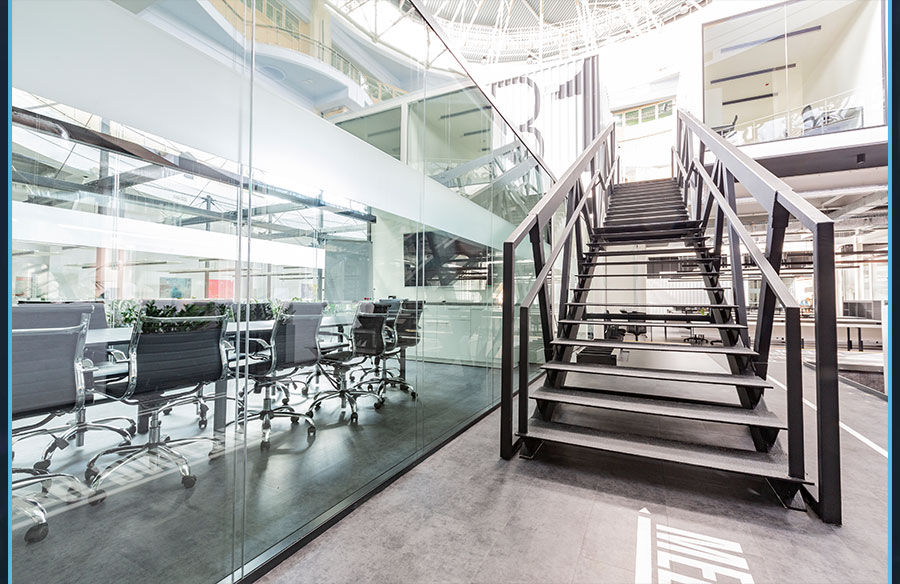
Where open visibility and light are important, glass partitions for commercial spaces can help create meeting rooms and cabins while keeping the office feeling connected. Flexibility also depends on enough meeting rooms, quiet areas, and storage.
Step 6 – Plan Execution and Ongoing Aftercare
Execution should be planned to reduce disruption. Set rules for site access, deliveries, safety barriers, and noise control. Plan checks for electrical work, HVAC performance, and fire safety systems before handover. Handover should include updated drawings, warranties, and basic maintenance details.
Conclusion
A commercial fit-out project is easier to manage when it follows a clear order. It starts with clear goals, followed by careful site checks and approval planning. A realistic budget and timeline reduce stress during delivery. The right partner, flexible design choices, and a structured handover process help the workplace stay usable as the business continues to expand.