
The world feels increasingly unpredictable, and property owners are responding by investing in resilience. From extreme weather events to economic uncertainties, people want properties that provide security beyond basic shelter.
Specialised construction projects that once seemed excessive are now entering mainstream consideration. This guide explores how forward-thinking property owners are building for resilience and the expertise required to execute these complex projects successfully.
The Growing Demand for Resilient Properties
Recent years have demonstrated how quickly normal life can be disrupted by unexpected events. Natural disasters, health crises, and infrastructure failures have all reminded us of our vulnerability.
Property owners increasingly view their homes as more than comfortable living spaces. They want properties capable of sustaining families through various emergency scenarios.
What Resilience Means in Construction
Resilient construction goes beyond meeting minimum building codes and standards. It anticipates potential challenges and incorporates features that address them proactively.
This approach considers everything from structural integrity to self-sufficiency capabilities. The goal is to create properties that remain functional when external systems fail.
Factors Driving Resilience Investment
Climate change has intensified weather events affecting properties across Australia and globally. Bushfires, floods, and storms cause damage that standard construction often cannot withstand.
Supply chain disruptions during recent global events revealed how dependent we are on functioning systems. Properties offering some degree of independence provide peace of mind that many now seek.
The Role of Professional Engineering
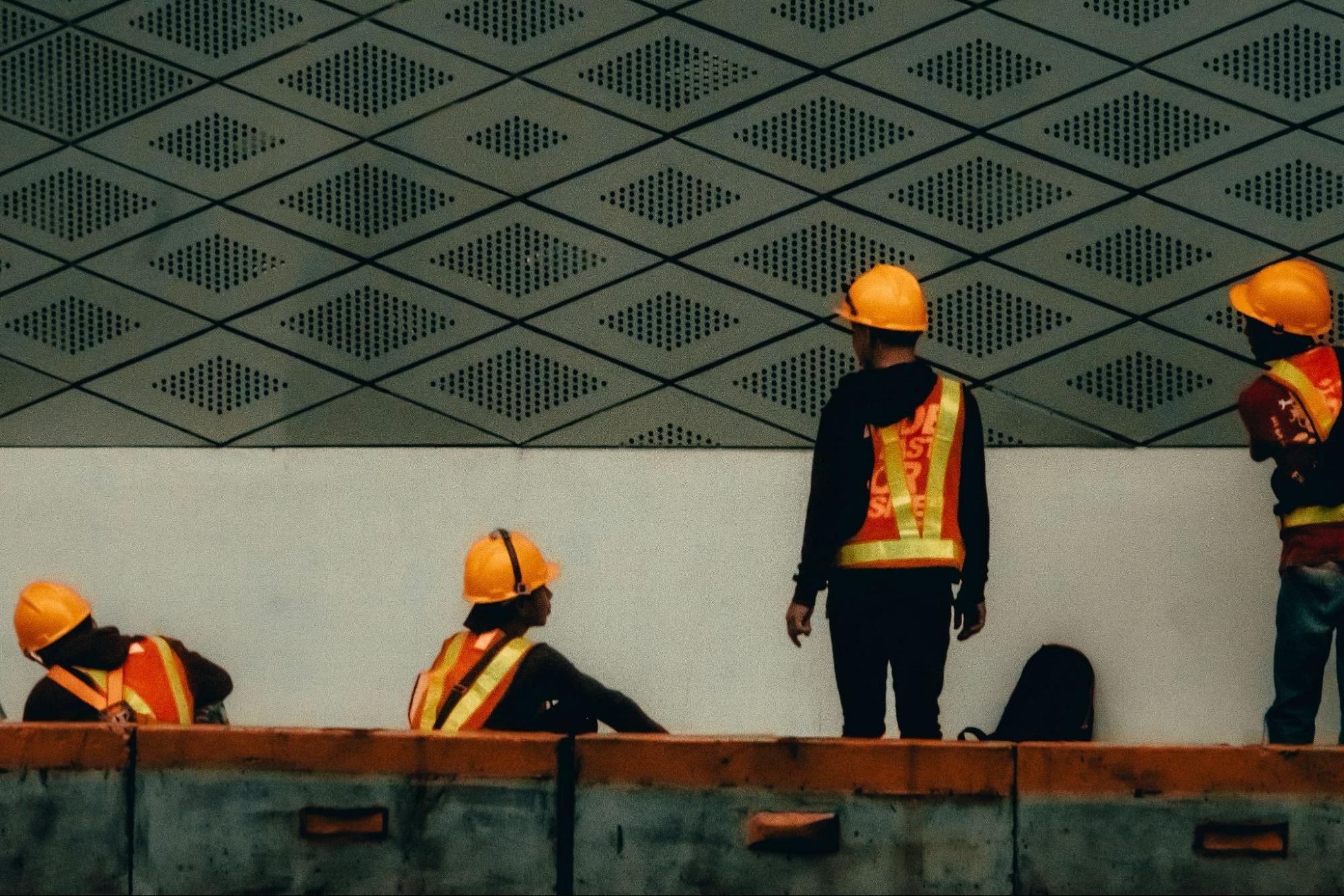 Specialised construction projects demand expertise beyond typical residential building capabilities. Complex engineering challenges require professionals who understand both theory and practical application.
Why Specialists Matter
Standard builders excel at conventional construction within established parameters. However, unusual projects present challenges outside their typical experience and training.
Soil conditions, structural loads, waterproofing requirements, and ventilation needs all become more complex in specialised projects. Mistakes in planning or execution can prove costly or even dangerous.
Engaging Engineering Expertise
Professional engineering consultation should precede any significant specialised construction project. Early expert involvement prevents expensive corrections later in construction processes.
A qualified civil engineer consultant brings essential expertise to complex residential and commercial projects. Their analysis ensures designs account for all relevant factors affecting structural integrity and functionality.
Engineers assess site conditions, calculate load requirements, and specify appropriate materials and methods. This technical foundation supports successful construction that performs as intended for decades.
What Engineers Evaluate
Geotechnical analysis reveals soil composition and groundwater conditions affecting foundation design. These factors critically influence what can be built and how it must be constructed.
Structural engineering determines how loads are transferred through buildings to foundations safely. Complex projects often involve unusual load patterns requiring careful calculation and design.
Environmental factors, including drainage, erosion, and natural hazards, all require professional assessment. Comprehensive engineering evaluation addresses these interconnected considerations systematically.
Types of Resilience Construction Projects
Property owners pursue various approaches to enhancing resilience depending on priorities and budgets. Understanding available options helps match investments to specific concerns.
Hardened Structures
Reinforced construction methods create buildings capable of withstanding extreme conditions. Concrete, steel, and specialised materials provide protection that standard framing cannot match.
Bushfire-resistant construction has become particularly relevant across much of Australia. Design features and material choices significantly impact survival odds during fire events.
Safe Rooms and Storm Shelters
Dedicated protected spaces within homes provide refuge during severe weather events. These reinforced rooms withstand conditions that would destroy surrounding structures.
Strategic placement and proper construction ensure accessibility when emergencies strike. Professional design maximises protection while integrating sensibly with normal home layouts.
Underground Construction
Below-ground construction offers unique advantages for resilience-focused property owners. Earth-sheltered structures provide natural protection from weather extremes and external threats.
Purpose-built underground bunkers represent the ultimate in residential resilience construction. These structures provide secure spaces capable of sustaining occupants through extended emergencies.
Modern underground construction has evolved far beyond Cold War-era stereotypes. Contemporary designs incorporate comfortable living spaces with advanced life support and sustainability systems.
Underground structures offer natural temperature stability, reducing energy requirements significantly. The surrounding earth provides insulation, security, and protection from surface-level threats.
Self-Sufficiency Features
Resilient properties often incorporate systems reducing dependence on external infrastructure. Water collection, filtration, and storage provide independence from municipal supplies.
Solar power with battery storage maintains electricity during grid outages. Backup generators provide additional redundancy for extended power disruptions.
Food production capabilities, including gardens, greenhouses, and storage spaces, support longer-term self-sufficiency. These features transform properties from simple shelters into sustainable homesteads.
Planning Your Resilience Project
Successful specialised construction requires thorough planning before breaking ground. Rushing into complex projects without adequate preparation invites problems and disappointments.
Assessing Your Priorities
Different threats concern different property owners based on location and circumstances. Identifying your primary concerns focuses investment where it provides the most value.
Coastal properties face different challenges than inland rural locations. Urban environments present distinct considerations compared to remote acreages.
Budget Realities
Specialised construction typically costs more than conventional building approaches. Understanding realistic costs prevents projects from stalling mid-construction due to depleted funds.
Phased approaches allow gradual resilience improvements as budgets permit over time. Starting with the highest-priority features ensures maximum benefit from initial investments.
Site Considerations
Property characteristics significantly influence what resilience features are feasible. Soil conditions, water tables, access, and existing structures all affect options.
Professional site assessment reveals possibilities and constraints before planning proceeds too far. This evaluation prevents investment in designs that won’t work on your specific property.
Regulatory and Approval Requirements
 Specialised construction projects often face additional regulatory scrutiny beyond standard builds. Understanding requirements early prevents costly surprises during approval processes.
Building Permits
Most resilience construction requires building permits and inspections like conventional projects. However, unusual designs may require additional documentation and engineering certification.
Some jurisdictions have specific regulations governing underground construction or reinforced structures. Research local requirements thoroughly before finalising project plans.
Professional Certifications
Complex projects typically require sign-off from licensed engineers and other professionals. These certifications confirm designs meet safety standards and regulatory requirements.
Building certifiers may require additional information when reviewing unfamiliar project types. Comprehensive documentation from qualified professionals smooths approval processes.
Insurance Considerations
Inform insurers about significant property modifications affecting risk profiles. Some resilience features may reduce premiums while others might require special coverage.
Underground structures and unusual construction methods need appropriate coverage specifications. Standard policies may not adequately address specialised construction without endorsement.
Selecting the Right Contractors
Execution quality determines whether well-designed projects achieve their intended purposes. Contractor selection deserves careful attention for specialised construction work.
Relevant Experience
Seek contractors with demonstrated experience in similar project types specifically. General building experience doesn’t necessarily translate to specialised construction competence.
Request references and examples from comparable completed projects whenever possible. Verified experience provides confidence that contractors can deliver the required results.
Professional Relationships
Quality contractors maintain relationships with engineering consultants and specialist suppliers. These networks indicate professionalism and access to necessary expertise.
Willingness to collaborate with your chosen engineers signals contractor confidence and capability. Resistance to professional oversight often indicates potential problems ahead.
Clear Contracts
Detailed contracts protect both parties by specifying expectations clearly upfront. Specialised projects especially benefit from comprehensive written agreements.
Include specifications, timelines, payment schedules, and change order procedures explicitly. Clear documentation prevents disputes that derail projects and damage relationships.
The Value of Resilience Investment
Resilience construction represents a significant investment that deserves careful justification. Understanding the value proposition helps make informed decisions about appropriate spending.
Peace of Mind
Knowing your property can sustain your family through various scenarios provides genuine comfort. This psychological benefit has real value beyond purely financial calculations.
Anxiety about potential emergencies diminishes when tangible preparations are in place. This peace of mind improves daily quality of life for many resilience-focused property owners.
Property Value
Well-executed resilience features can enhance property values beyond their construction costs. Growing buyer interest in prepared properties supports premium pricing.
However, overly specialised features may limit buyer pools for eventual resale. Balance personal preferences against market considerations when planning projects.
Practical Benefits
Many resilience features provide everyday benefits beyond emergency preparedness. Energy independence reduces utility costs while underground spaces offer natural climate control.
These ongoing advantages provide returns even if emergency scenarios never materialise. Practical daily benefits often justify investments regardless of preparedness motivations.
Conclusion
Building for resilience has become a thoughtful response to an increasingly uncertain world. Specialised construction projects provide security and independence that standard properties cannot match.
Professional engineering expertise ensures complex projects achieve their intended purposes safely. Working with qualified consultants prevents costly mistakes while optimising designs for specific situations.
From reinforced structures to underground spaces, options exist for various priorities and budgets. Understanding available approaches helps match investments to genuine concerns effectively.
Consider your own resilience priorities and explore how specialised construction might address them. The peace of mind and practical benefits often justify the investment required.